Is there a right month to make your Centennial move feel easier, faster, and more profitable? If you are planning a sale and purchase around school schedules or a relocation, timing matters. Seasonality shapes how quickly homes sell, how competitive offers feel, and what you can negotiate. In this guide, you will learn what to expect in Centennial month by month, how negotiation dynamics shift by season, and how to build a smart timeline for a smooth move. Let’s dive in.
Centennial seasonality at a glance
Centennial follows broader Denver metro patterns with a clear spring lift, a steady summer, a softer fall, and a quiet winter. Local factors strengthen that rhythm, including Cherry Creek and Littleton school calendars, commuting to Denver and Aurora, and neighborhood-level supply from HOA communities and new construction. Weather plays a role too. Curb appeal and showings benefit in spring and summer, while holidays and snow slow traffic in late fall and winter.
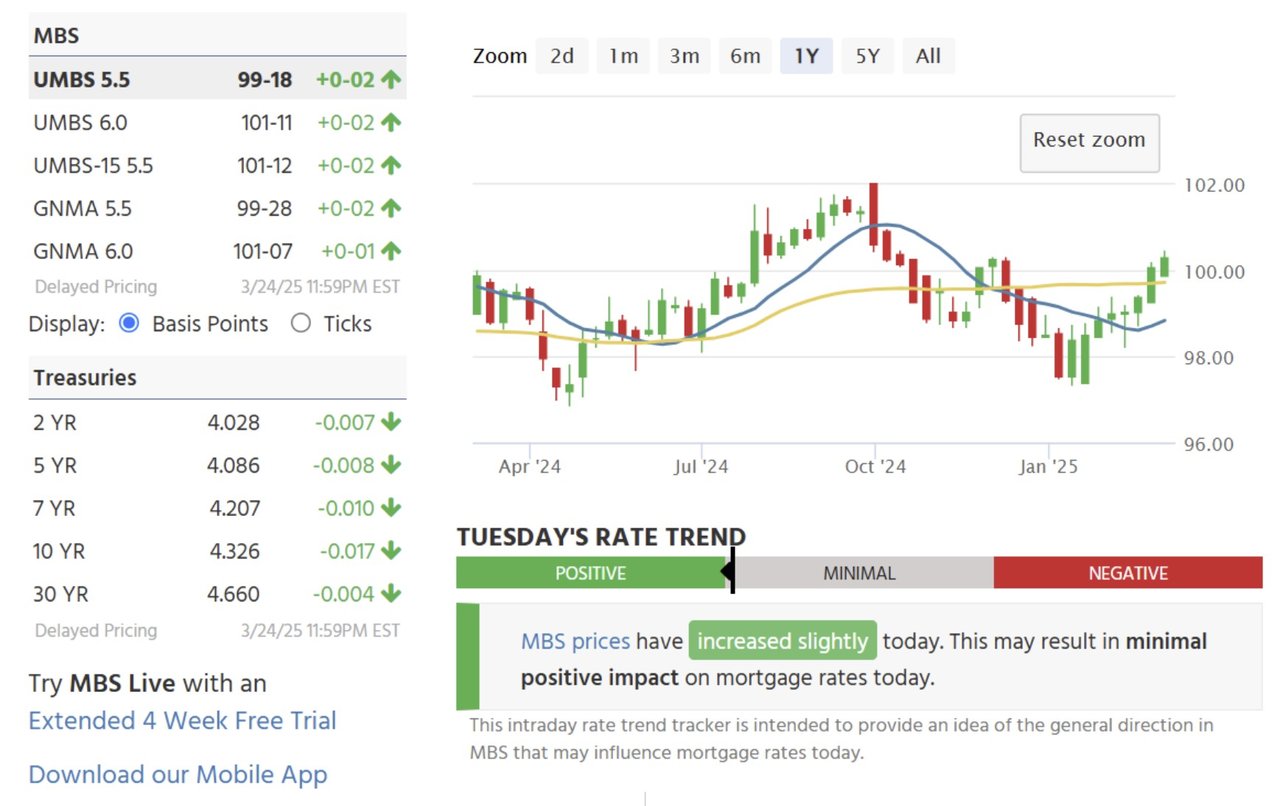
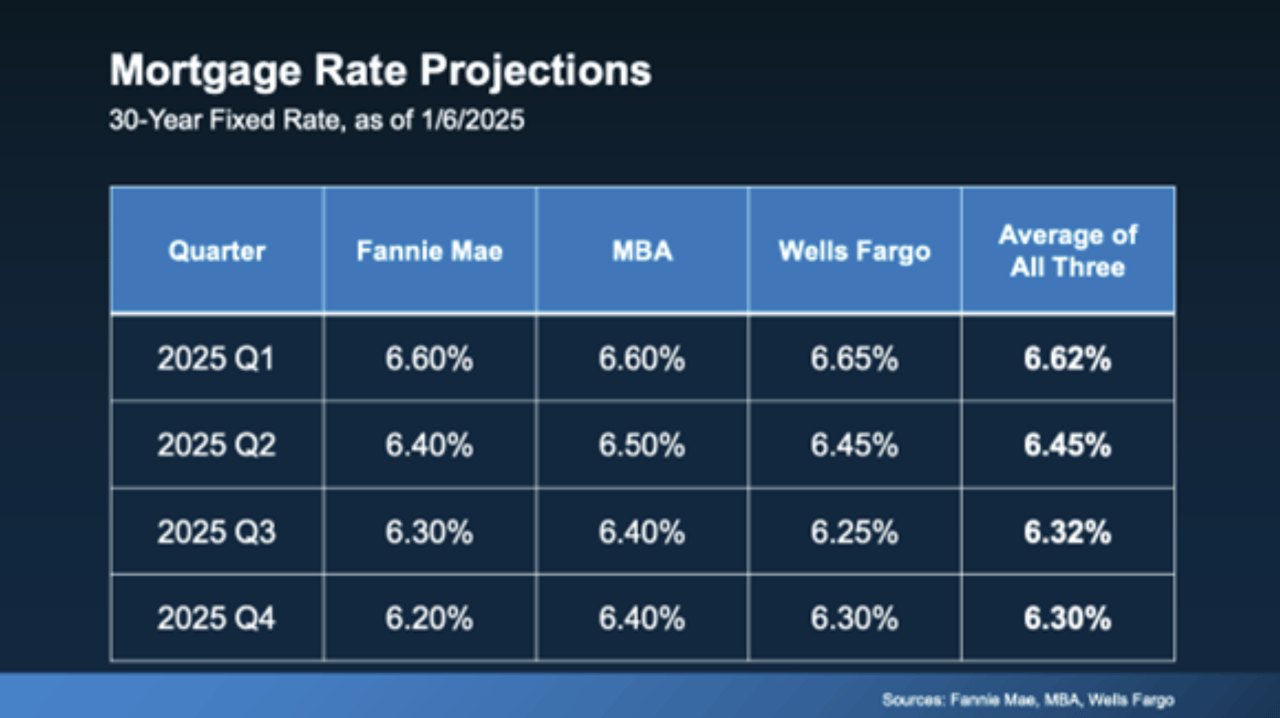
Mortgage rates can amplify or soften the seasonal swings. Falling rates often pull demand forward, even outside peak months. Rising rates can add days on market and open more space to negotiate.
Month-by-month expectations
January to February
These are typically the slowest months for new listings and showings. Inventory often sits near seasonal lows, and sellers may see fewer appointments. The buyers who are active tend to be motivated by job changes or specific timing needs.
- What it means for you: As a buyer, you can often negotiate longer inspection windows, seller concessions, or price reductions. As a seller, set realistic days-on-market expectations, price clearly to the market, and consider offering closing cost help or flexible terms.
March to May
Spring is the annual peak. New listings rise quickly and buyer traffic surges, especially among families targeting a summer move aligned with school calendars. Well-prepared homes can see faster offers and stronger sale-to-list price ratios.
- What it means for you: As a seller, this is prime time if you want maximum exposure and price strength. As a buyer, be ready to compete with strong preapproval, flexible timelines, and potentially an escalation clause on standout homes.
June to August
Demand remains solid, though often a touch cooler than spring. Inventory stays elevated as more sellers remain on market. Vacations and summer schedules can spread out showing activity.
- What it means for you: Negotiation leans balanced to seller-friendly in active price bands. As a buyer, you have more selection than winter with somewhat less pressure than peak spring. As a seller, lean into curb appeal, staging, and weekday showing flexibility to capture summer traffic.
September to October
After back-to-school, activity dips, then stabilizes in early fall. Sellers who missed spring or summer may reduce prices or offer incentives to move before year end. Buyers often find more room to negotiate.
- What it means for you: As a buyer, you can negotiate on price, inspection items, and closing flexibility. As a seller, be ready to sharpen pricing and proactively address condition to stand out.
November to December
Late fall and the holidays bring a meaningful slowdown. Fewer new listings hit the market and buyers narrow to those with urgent timelines.
- What it means for you: Buyers usually regain leverage, including seller-paid costs or longer closings. Sellers should price with precision and consider incentives. Holiday staging and flexible showing windows help.
How negotiation pressure shifts
Seasonality shows up most clearly in these metrics and dynamics:
- Days on market: Shortest in spring, longer in late fall and winter. Faster sales often translate to stronger offers and fewer concessions.
- Sale-to-list price ratio: Tends to rise in spring when multiple offers are common, then normalizes later in the year.
- Concessions and contingencies: Buyers usually secure more in winter and late fall. In spring, sellers more often accept cleaner terms with reduced or shortened contingencies.
- Months of supply: Use this to read the market’s balance. Less than 2 months signals a strong seller’s market, 2 to 6 months is more balanced, and greater than 6 months leans buyer-friendly.
Planning your move-up timeline
If you want to align with a summer transition, build a simple, realistic plan.
- November to January: Prep quietly. Clarify wish list, interview your agent, review comps, and map improvements. If selling, line up staging and photography. If buying, complete financing preapproval and discuss bridge options or contingencies.
- February to March: Finalize pricing strategy, complete repairs, and prepare marketing. If listing, aim to hit early spring for maximum exposure. If buying, monitor new listings daily and tour quickly.
- April to July: Execute. Sellers often see strongest interest in spring. Buyers should expect faster response times and a competitive environment on standout homes. Plan inspections and repairs early to avoid bottlenecks.
- August to October: If you prefer less competition, consider a fall purchase. Sellers should stay nimble on price and concessions to capture serious fall buyers.
Tip: If you need to both sell and buy, talk early about solutions like a short rent-back after closing, a contingent offer, or a bridge loan. A clear plan reduces stress and protects your negotiating position.
What to watch each month in Centennial
Track a few metrics to understand if conditions are heating up or cooling down.
- Active listings and new listings: Show inventory trends and when spring supply arrives.
- Pending and closed sales: Signal real demand and contract flow.
- Median sale price and price per square foot: Indicate price trajectory by area and home type.
- Days on market: Measures speed and buyer urgency.
- Sale-to-list price ratio: Reveals negotiation pressure above or below list.
- Months of supply: Converts inventory and sales into a balance gauge using the thresholds above.
- Offer terms: Frequency of escalation clauses, appraisal gaps, or waived contingencies. Your agent’s local conversations matter here.
You can review monthly snapshots through local MLS and association reports or ask for a neighborhood-level breakdown that compares the current month with last year and a three-year average. This helps you separate seasonal shifts from one-off changes.
Centennial micro-markets to consider
Seasonality plays out differently by price band and location. Entry-level homes often move faster year-round because the buyer pool is wide. Upper-end homes can have longer marketing times and more selective demand.
Neighborhoods within Centennial and adjacent south suburbs behave differently based on factors like HOA amenities, proximity to I-25 and Arapahoe Road, and access to RTD light rail. Areas near shopping and transit can show steadier traffic across seasons. School district boundaries across Cherry Creek and Littleton shape move timing for many families who plan around school calendars. Within Centennial and nearby pockets like Southglenn, RidgeGate, and The Pinery, on-the-ground comps provide the best guide to pricing and time to contract.
The takeaway: Lean on hyper-local comps rather than metro-wide averages when you set expectations.
New construction and builder timing
Builder activity can soften seasonality if multiple spec homes release over several months or if incentives shift month to month. In late spring and summer, you may see more deliveries. Incentives can include rate buydowns or design credits that change the math versus resale.
If you are comparing new construction and resale, evaluate total cost of ownership, timeline certainty, and any move-in flexibility a builder can provide. Also consider how builder inventory affects nearby resale pricing.
Buyer strategies by season
- Winter and late fall: Use your leverage. Ask for seller-paid closing costs, longer inspection windows, or price improvements. Cast a wider net and be patient with inventory.
- Spring: Be ready to compete. Strengthen preapproval, tour quickly, and consider strategic terms like strong earnest money or an escalation clause on the right home. Discuss appraisal strategies in advance.
- Summer: Weigh selection against competitiveness. You may find more options and a bit more room to negotiate than in peak spring, especially on homes lingering from earlier months.
Seller strategies by season
- Spring: Prepare for speed. Declutter, stage, and price to market. If you also plan to buy, set your bridge plan early and consider a short rent-back to align closings.
- Summer: Curb appeal and weekday showing flexibility help you compete with a larger pool of listings. Fine-tune pricing based on nearby absorption.
- Fall and winter: Lead with value. Price precisely and consider incentives like closing cost credits or rate buydowns. Keep the home easy to show and well lit for winter appointments.
How we help you time it right
You deserve a plan that fits your goals, not the other way around. With boutique guidance and Compass tools, you get a concierge approach that aligns preparation, pricing, and timing.
- Compass Concierge: Improve presentation with fronted funds for updates that can boost your sale price, then pay back at closing.
- Private Exclusives: Test pre-market interest with discreet exposure to qualified buyers while you finish prep or find your next home.
- Presentation and marketing: High-end staging, photography, and narrative marketing help your home stand out in every season.
- Negotiation and logistics: From rent-backs to bridge strategies, you get clear options to sync your sale and purchase.
Final thoughts
Seasonality in Centennial is predictable enough to plan around but flexible enough to reward smart strategy. If you want stronger pricing and faster timelines, spring often delivers. If you want more negotiating room and less competition, late fall and winter can be your window. What matters most is matching your plan to your life, your neighborhood comps, and the month-to-month signals in the market.
Ready to map out your best timing and next steps in Centennial? Connect with Sherry Beindorff for a tailored plan, neighborhood-level data, and concierge-level support from first conversation to closing.
FAQs
When is the best time to sell a home in Centennial?
- Spring often brings the strongest buyer demand and faster contracts, though smart pricing and presentation can deliver solid outcomes in summer and competitive results in fall and winter.
How does school timing affect my move in Centennial?
- Many families plan around Cherry Creek and Littleton school calendars, which concentrates listings and purchases in spring and early summer to aim for June or July closings.
Is winter a bad time to buy or sell in Centennial?
- Not necessarily. Winter has fewer listings but usually more room to negotiate, including potential seller concessions and flexible closing terms for motivated moves.
What metrics should I watch before listing my home?
- Track active and new listings, days on market, sale-to-list price ratio, and months of supply, then compare your neighborhood to the citywide trend for a clearer picture.
How do higher mortgage rates change seasonality?
- Rising rates can slow buyer activity and lengthen days on market, while falling rates can spark demand even outside spring, shifting negotiation leverage month to month.
What if I need to buy and sell at the same time?
- Discuss a coordinated plan that can include a short rent-back, a contingent offer, or a bridge solution so you can secure your next home without unnecessary stress.