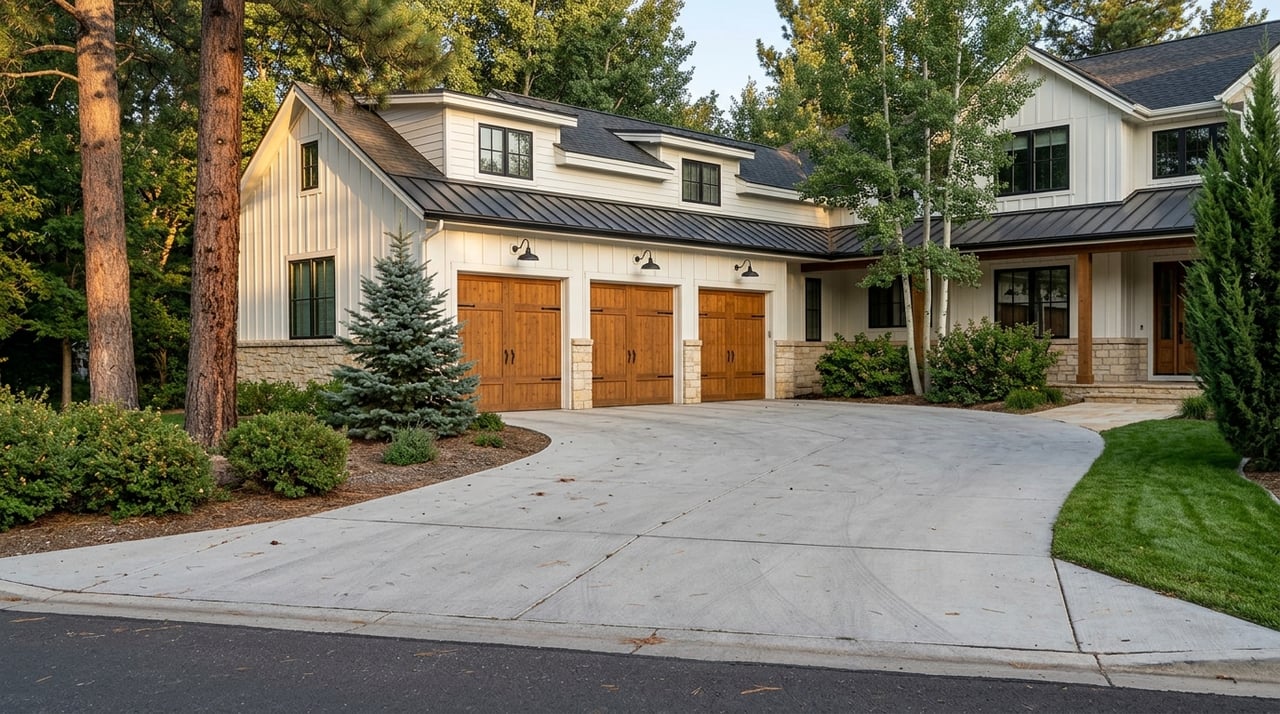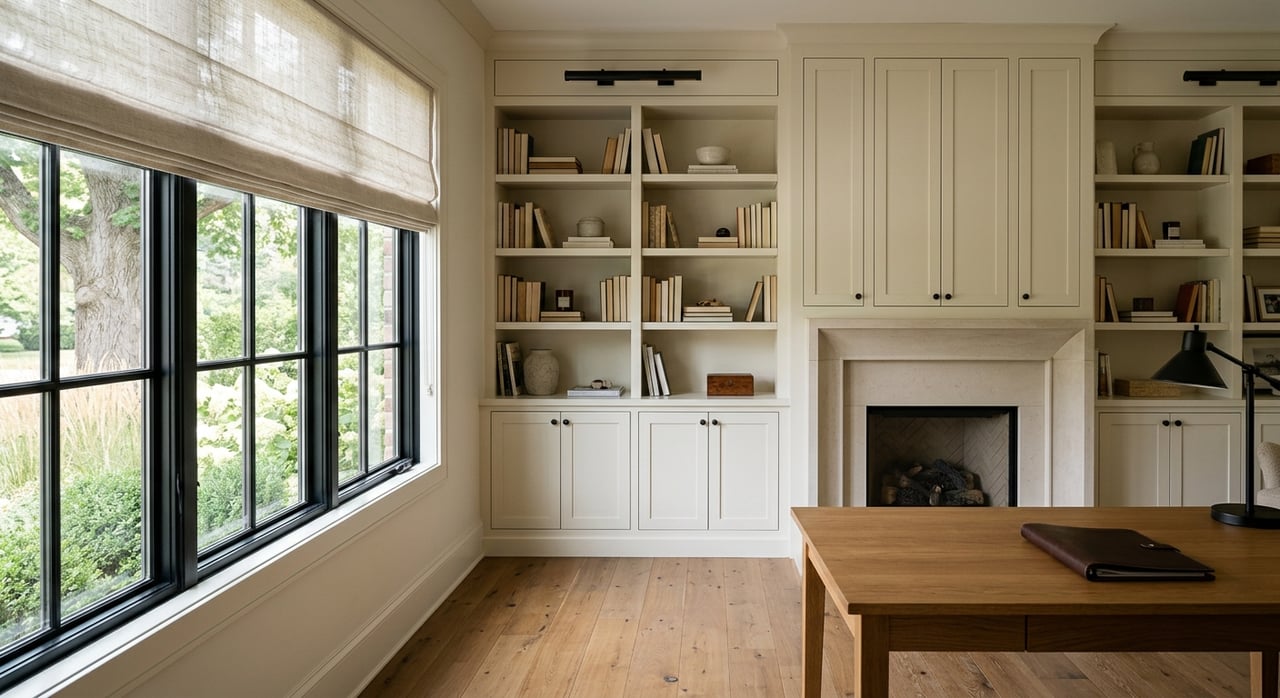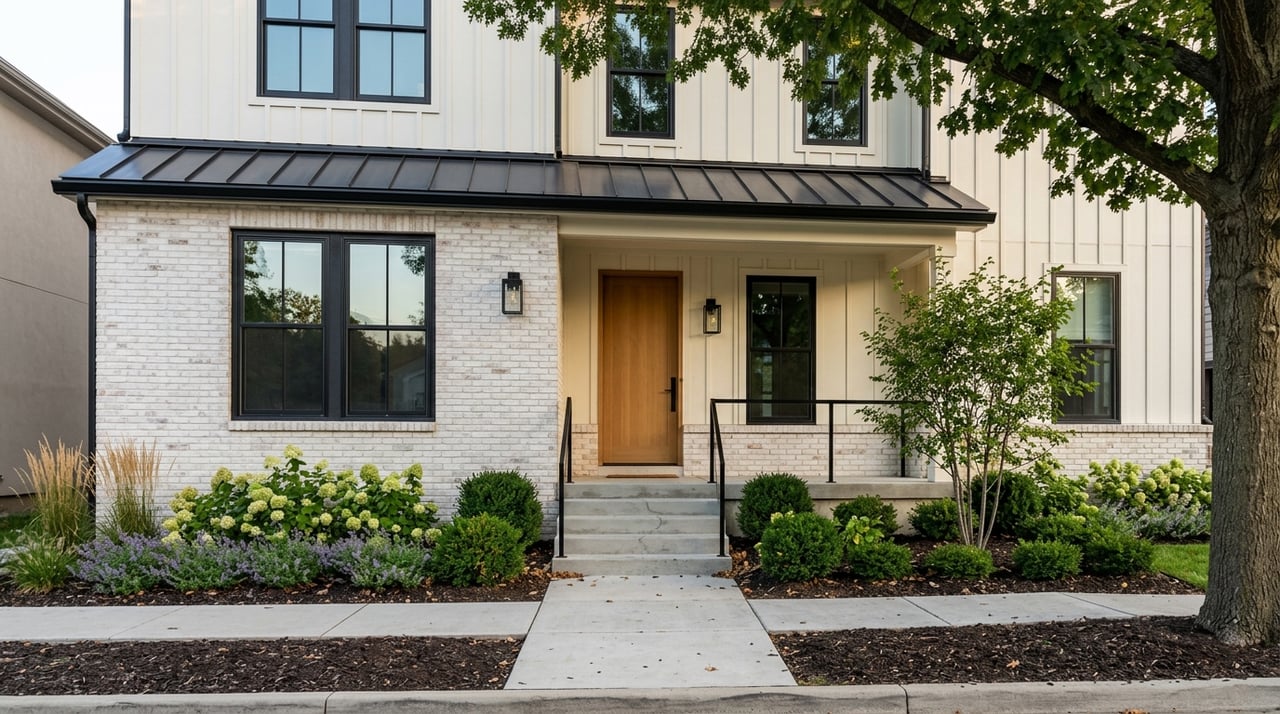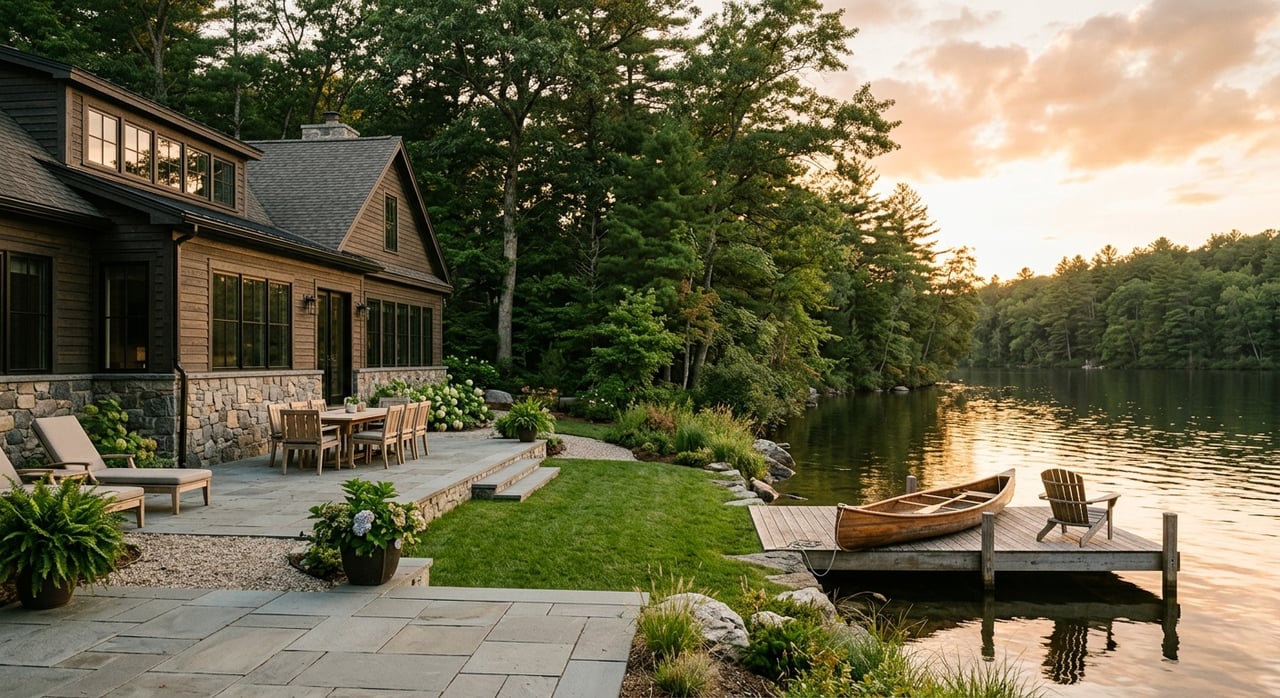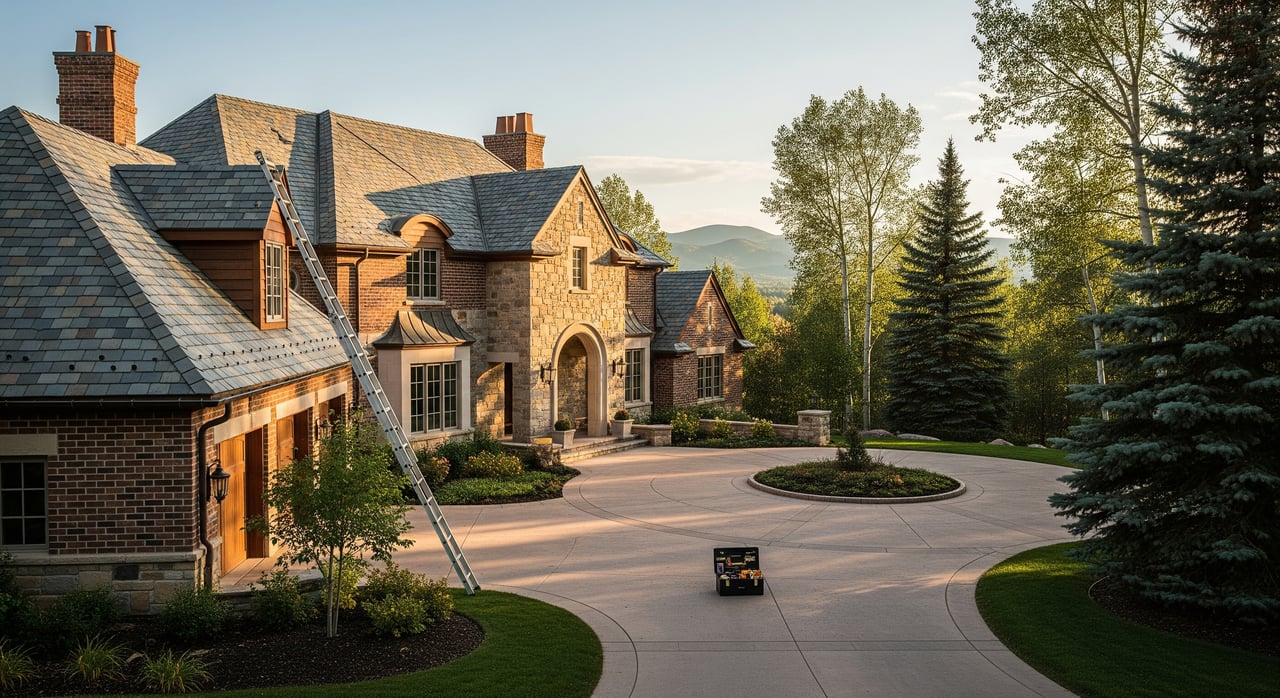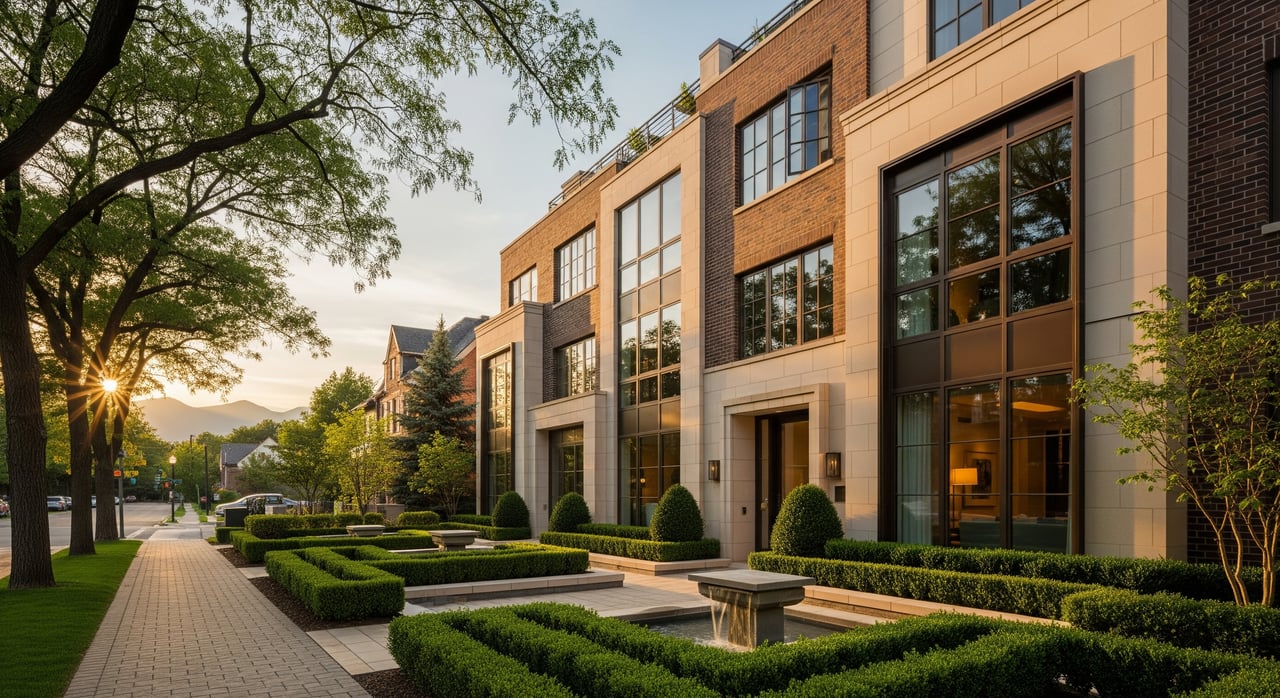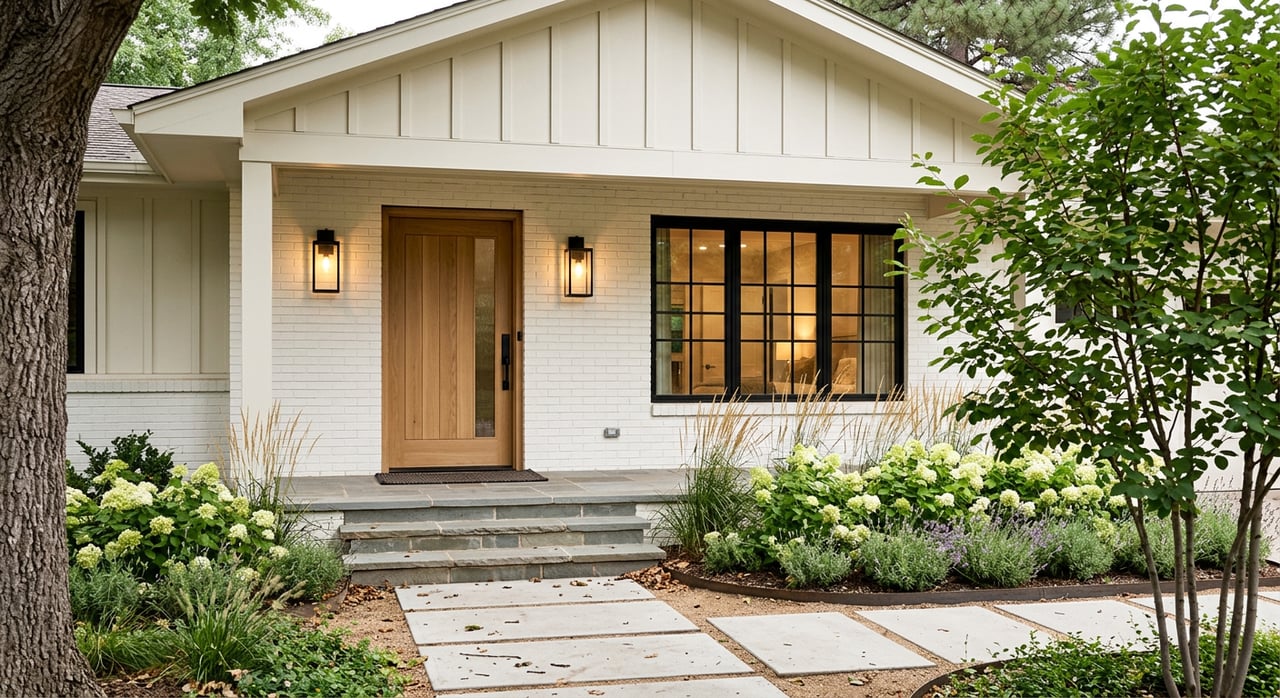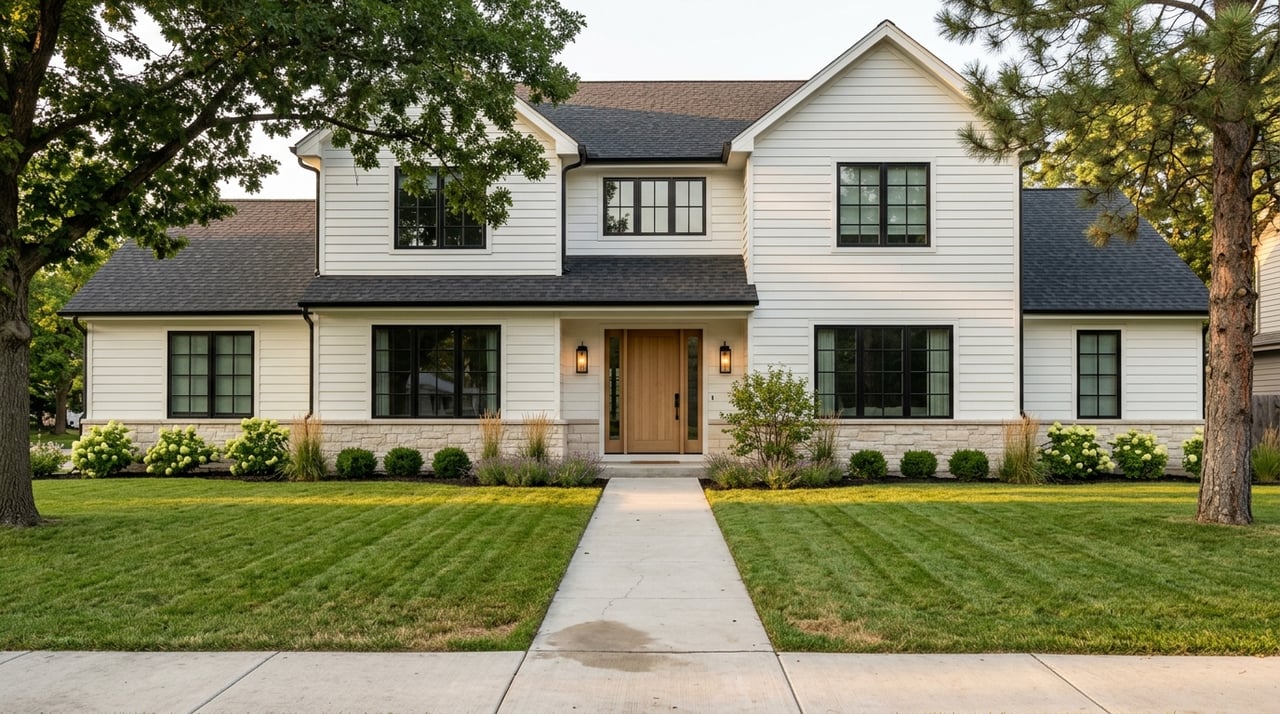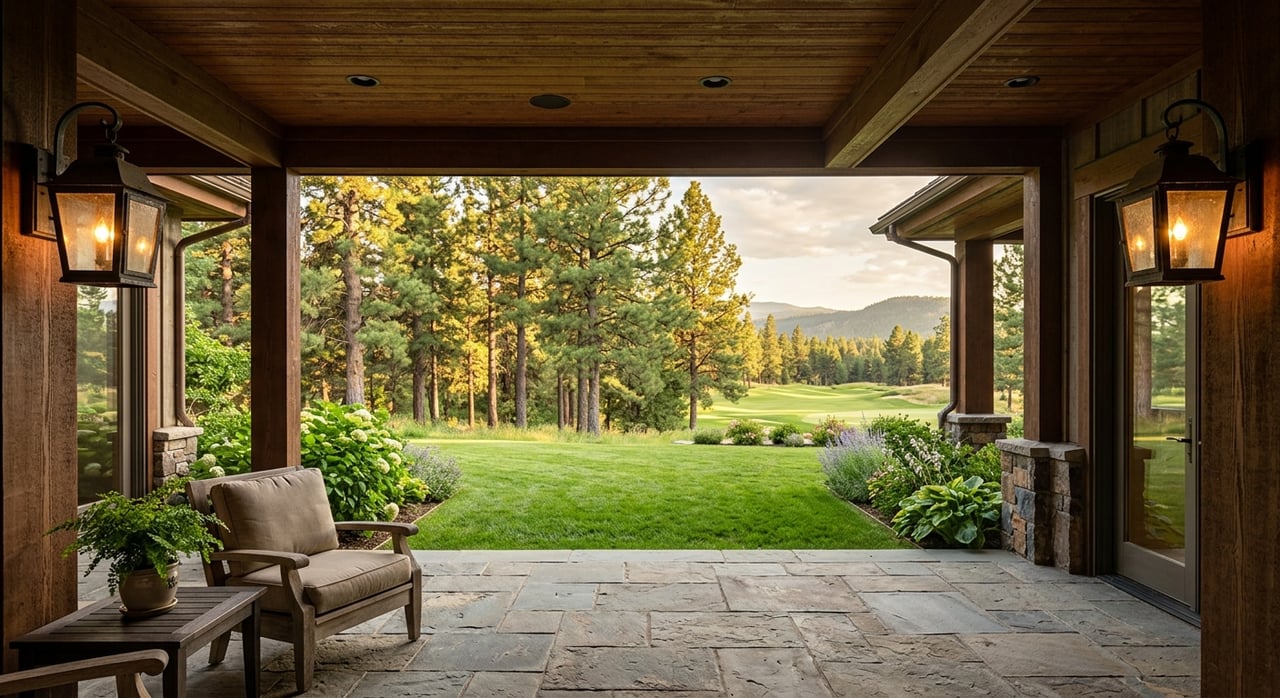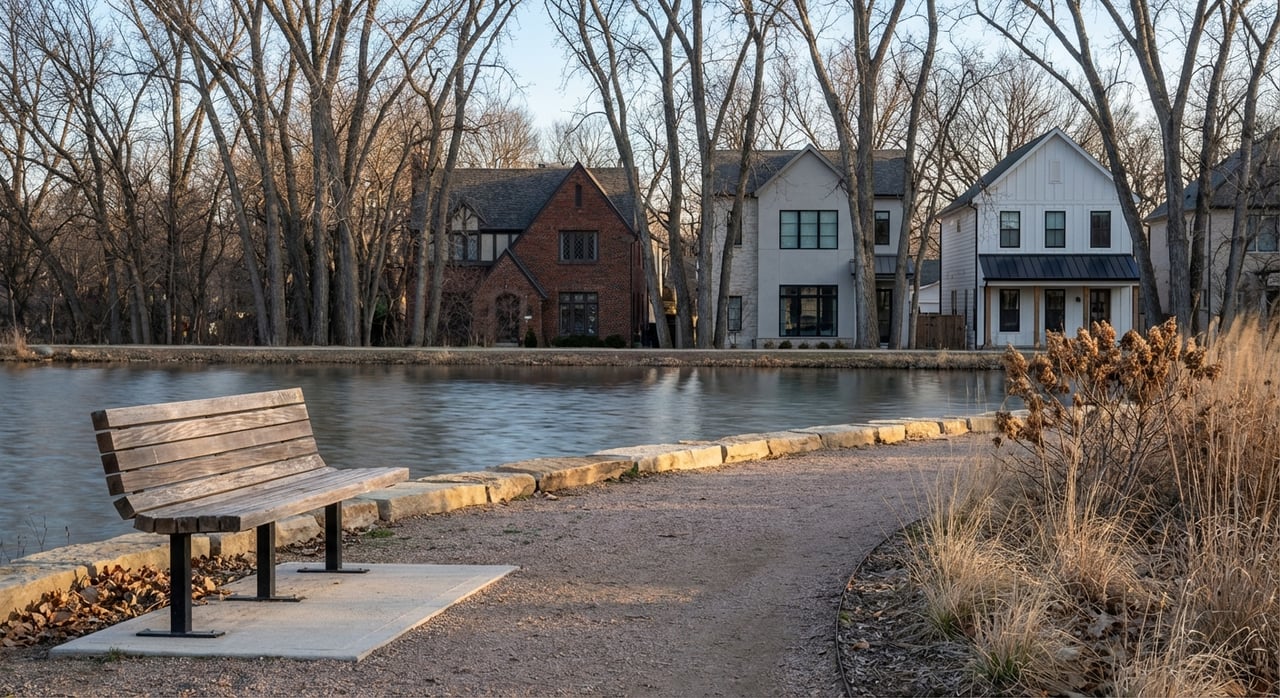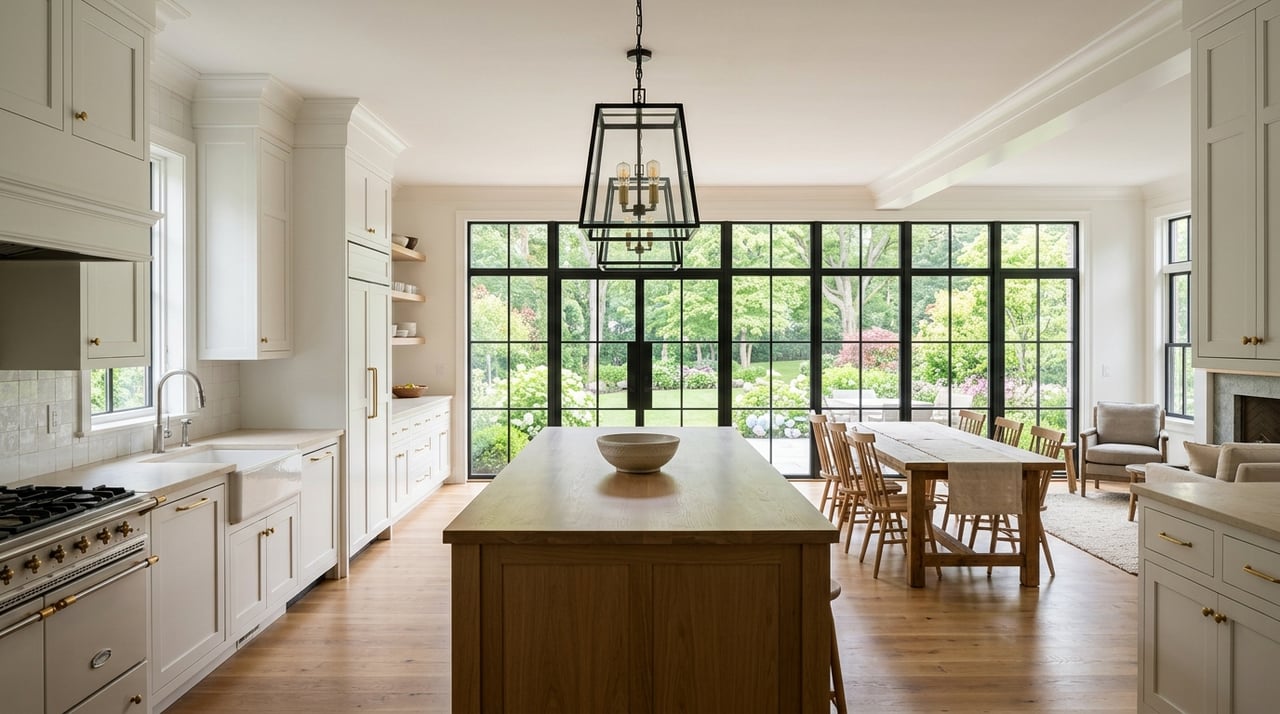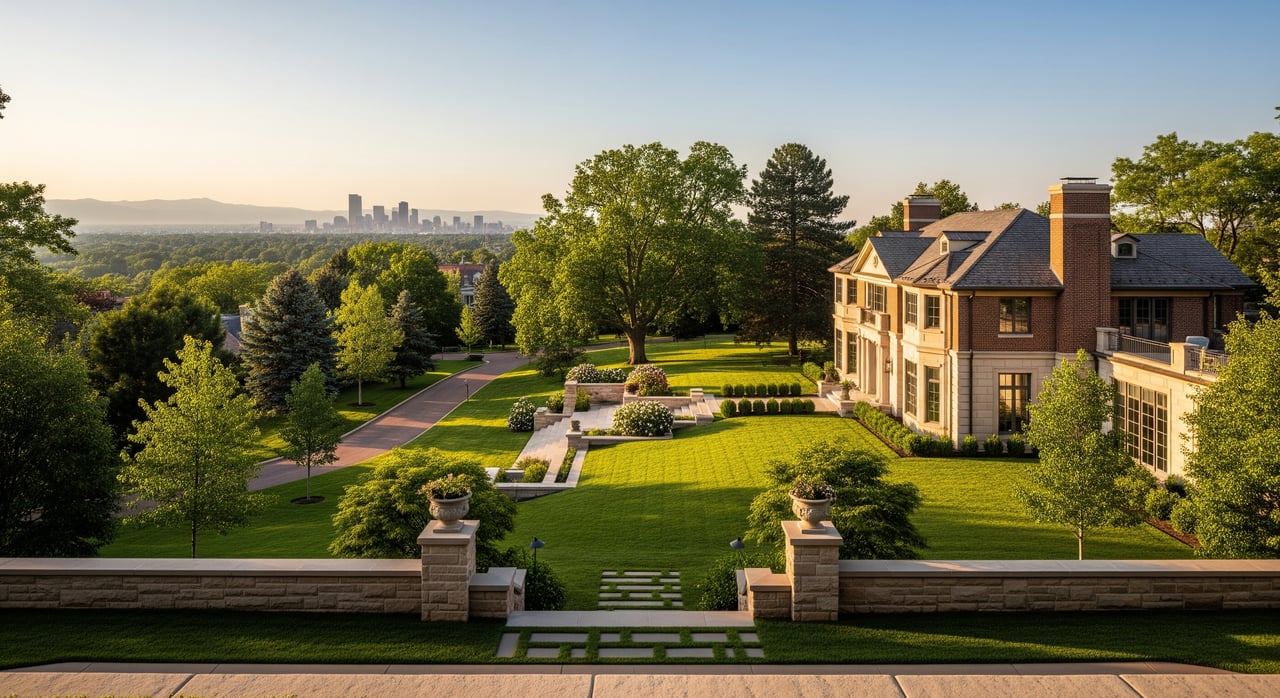
Thinking about buying or selling a home on an oversized Hilltop lot? The right parcel can command a real premium, but not all big lots are equal. You want privacy, space for outdoor living, and strong resale potential without surprises. In this guide, you’ll learn the key factors that drive value in Hilltop, what the city will allow, and how to position your property for the best outcome. Let’s dive in.
Why oversized lots command a premium
Oversized lots are scarce in central Denver neighborhoods like Hilltop. That scarcity attracts buyers who value privacy, mature landscaping, and room for flexible living. Many also see the long-term potential for new construction or an accessory dwelling unit.
The premium is not just about square footage. Buyers pay most for lots that offer usable, buildable space and clear paths through zoning and permits. That is what turns size into value.
Physical lot features that matter most
Gross size vs. buildable area
Lot size is the headline, but buildable area is the true driver. Steep slopes, flood risks, utility easements, and tree protection zones can shrink what you can actually use. Frontage and side setbacks often shape the home design more than lot depth.
If you are evaluating value, compare the stated lot size with a current boundary and topographic survey. That will show the real buildable envelope early.
Frontage and orientation
Wide street frontage increases design flexibility. It can improve curb appeal, allow better garage placement, and support a broader facade. Many buyers value a wider lot more than extra depth alone.
Orientation affects sunlight, views, and garden placement. South and west exposures can improve outdoor living and solar access.
Topography and walkout potential
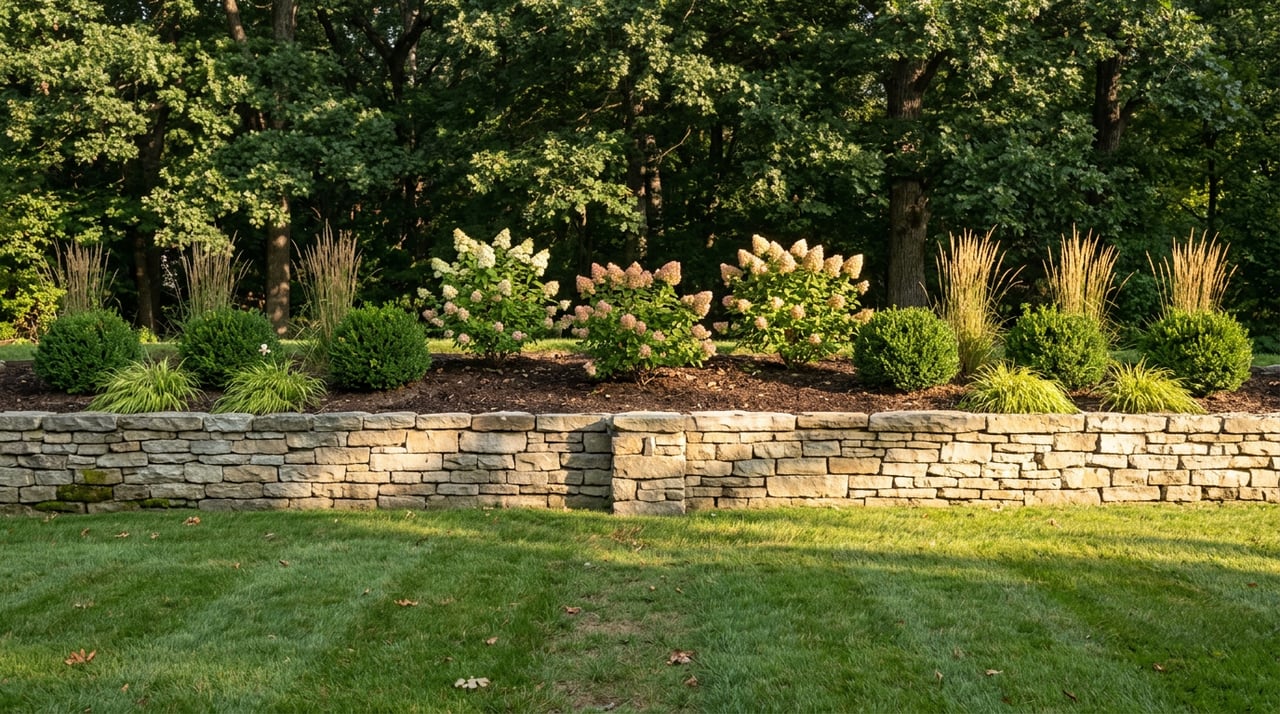
Most Hilltop parcels have gentle grades, but some have pockets of slope. Slopes can add costs for foundations, retaining walls, and grading. In the right case, they also create opportunities for a walkout lower level or a better view corridor.
Plan for drainage and stormwater controls in any redevelopment scenario. These requirements add cost and can influence where the home sits on the lot.
Trees and landscaping
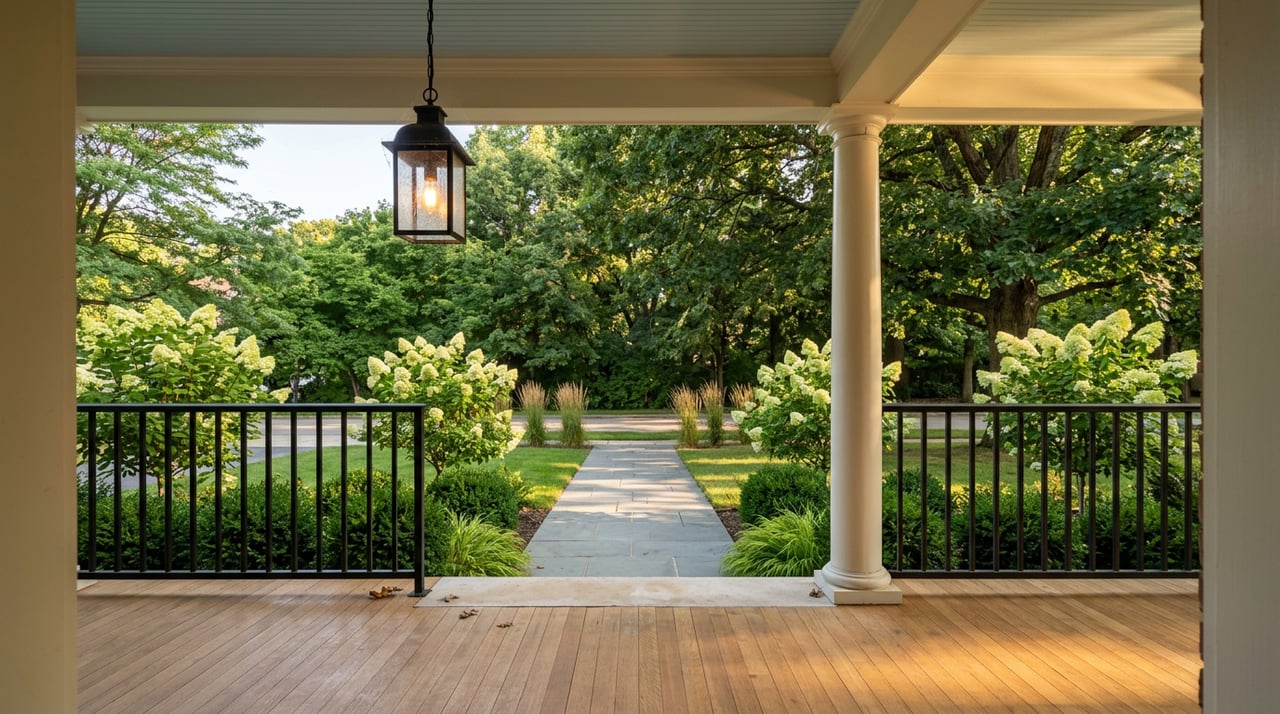
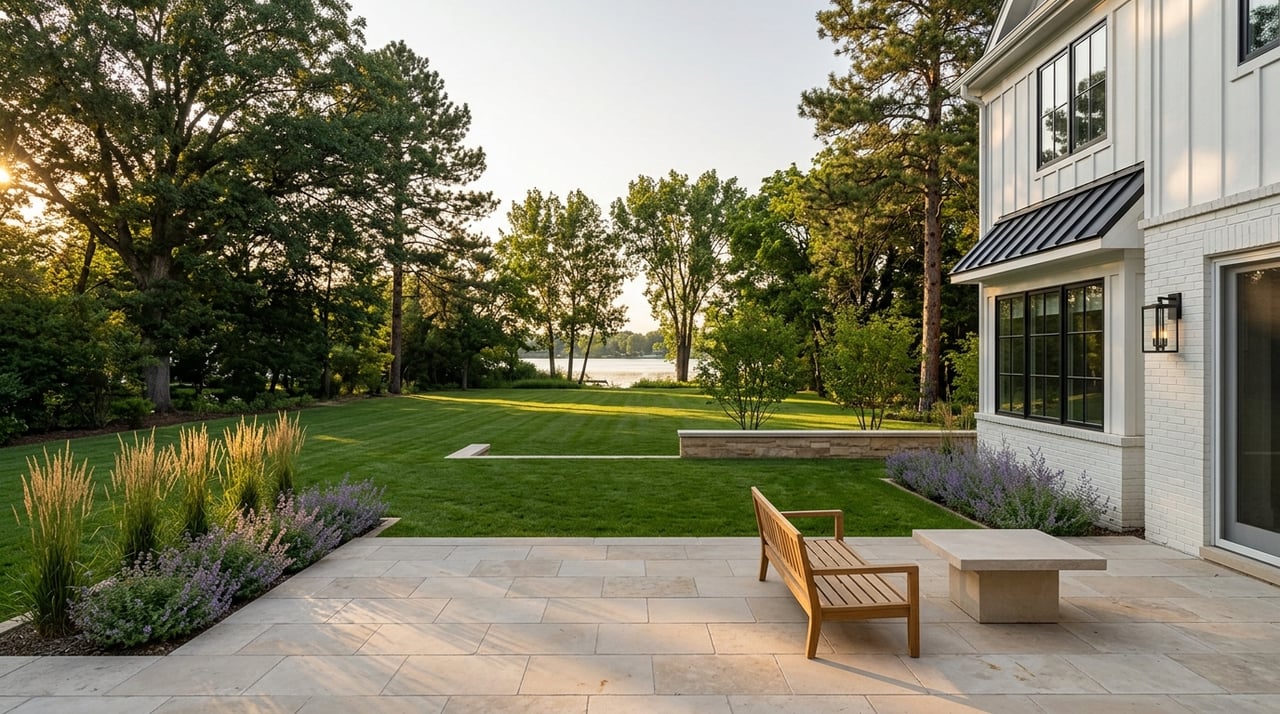
Mature trees add instant character, privacy, and shade. Many buyers will pay more for a well-landscaped setting. At the same time, large trees may constrain building footprints and trigger arborist reviews or mitigation if removal is needed.
Know which trees may be protected and what permits could apply. Street and public trees are subject to city policies.
Views and view corridors
Unobstructed views of the skyline or mountains can boost value. A gentle west or southwest slope may help open views. Remember that views are not guaranteed. Unless you have a specific recorded easement or covenant, future nearby redevelopment could change what you see.
Utilities, access, and easements
The location and capacity of sanitary sewer, storm lines, gas, and electric service matter. If you need to extend utilities or relocate an easement, costs rise. Alley access can help with garage placement and infill flexibility. The absence of an alley can limit options.
Zoning and permits shape what you can build
Understand Denver zoning and setbacks
Your zoning district sets setbacks, lot coverage, height, and accessory use rules. It also determines whether lot splits are possible and how large a new structure can be.
For clarity, confirm the current zoning and request a zoning verification or schedule a pre-application meeting with Denver Development Services. Early answers lower risk and save time.
ADUs and infill options
Denver has expanded allowances for accessory dwelling units and small-lot infill in recent years. Whether an ADU, carriage house, or duplex is allowed depends on your specific zoning and overlays. Parking and permit rules still apply.
If an ADU is permitted, it can enhance flexibility for multi-generation living or future rental income. Always verify what the code allows for your parcel.
Historic and design controls
If a property sits in a historic district or has a landmark designation, demolition and exterior changes may require design review. That can add time and limit certain options.
Many Hilltop homes are older. Confirm any historic overlays before setting a plan or price.
Tree and stormwater rules
Larger trees may require permits or mitigation to remove. Street and public trees have extra protections. Plan for tree preservation early in your design.
Stormwater management, erosion control, and grading standards apply to most rebuilds. These requirements can affect your site plan and budget.
Timelines, reviews, and soft costs
Major rebuilds typically need architectural drawings, structural and civil engineering, and multiple city reviews. Expect plan revisions and added months for permitting. Soft costs and schedule impacts should be part of your financial model from the start.
How the market prices oversized Hilltop parcels
Highest and best use
Buyers and appraisers value what can be built, not just what exists. If zoning and the buildable area support a larger home, an ADU, or even a subdivision, the lot may carry a higher premium.
If the existing home has high renovation costs or a poor layout, buyers may assign more value to the land potential than the current improvements.
Comparable sales approach
Vacant lot sales are rare in Hilltop. Most valuation starts with recent sales of homes on oversized parcels, then adjusts for lot size, frontage, views, and redevelopment potential. A Denver-savvy appraiser can be critical when you plan to remodel, rebuild, or split a lot.
Financing and appraisal considerations
Financing a lot or construction is different from a typical home loan. Lenders may use stricter underwriting and higher rates. If your plan depends on a future lot split or ADU that is not yet approved, the appraised value may come in lower than expected.
Work with lenders who understand local construction and land loans. Prequalification reduces surprises.
Holding costs and taxes
Larger parcels often mean higher property taxes and maintenance. If you plan a rebuild, include carrying costs during permitting and construction. For sellers, weigh these costs against your expected premium to choose the right timeline and strategy.
Should you refresh, rebuild, or split?
When light updates win
If the home is sound and has good natural light or desirable original details, a tasteful refresh can perform well. Focus on curb appeal, landscape enhancements, system updates, and outdoor living spaces.
Light updates have lower permitting complexity, shorter timelines, and broader resale appeal in many cases.
When a full rebuild or subdivision pays
If zoning supports additional density or a larger home, a full repositioning can unlock maximum value. Typical actions include demolition, relocating the footprint for better light or views, adding an ADU, or splitting the lot when allowed.
This path carries the highest cost, longest timeline, and more risk. It can also generate the strongest return when market demand supports new luxury product.
Decision checklist
- Zoning allows the plan you want and buildable area supports it.
- The existing structure has costly issues or a poor layout.
- Recent local sales support your post-project pricing.
- You have budget and appetite for a longer, more complex process.
Due diligence: what to order early
- Boundary and topographic survey with setbacks, easements, and contours.
- Title report with utility easements and any recorded restrictions.
- Zoning verification and current zoning map for the parcel.
- Historic designation search and neighborhood overlays.
- Floodplain maps and local drainage overlays.
- Tree inventory and an arborist report on condition and preservation.
- Geotechnical and soils report for new foundations or grading.
- Existing floor plans and structural inspection for renovate vs. rebuild.
- Plat history and any covenants.
- Recent comparable sales and, if needed, a pre-listing appraisal.
Cost categories and timeline reality
- Soft costs: architects, engineers, surveys, land-use counsel, permits, and plan reviews.
- Site costs: demolition, abatement if needed, tree protection or mitigation, grading, retaining walls, utilities, and stormwater systems.
- Construction: builder, landscape and hardscape, pool or outdoor living spaces.
- Carrying costs: taxes, insurance, interest, and utilities during the process.
- Contingency: plan for delays, site surprises, and neighbor appeals.
Buyer quick-check for premium lots
- Confirm zoning, setbacks, and whether ADUs or a lot split are allowed.
- Order a boundary and topo survey and an arborist report right away.
- Locate easements and verify utility access and capacity.
- Walk the site at different times to assess light, shade, and noise.
- Review 12 to 24 months of Hilltop comparables for lot premiums and rebuilds.
- Get preapproved for the right loan type, including construction if needed.
- Budget for maintenance and property tax differences on larger lots.
Local resources and who to call
Engage the City and County of Denver Development Services for zoning and permit guidance. Check the Denver Zoning Code and maps for what is allowed on your parcel. Consult Denver Urban Forestry for tree rules and the Stormwater team for drainage requirements. The Denver County Assessor provides parcel and tax data. Local experts matter here: a Denver land-use attorney, civil engineer, surveyor, arborist, architect, experienced infill builder, local lender, and Denver appraiser can keep your plan on track.
The bottom line for Hilltop owners and buyers
Do not equate acreage with value. In Hilltop, value comes from a mix of buildable area, frontage, mature trees, view potential, and a clear regulatory path. The right strategy can mean a tasteful refresh that honors the setting, or a full repositioning that unlocks the lot’s highest and best use.
If you want a data-driven plan with discreet execution, you can lean on boutique guidance backed by a strong vendor network. From Compass Concierge for pre-market improvements to private exposure strategies, you can prepare, price, and present for the best net result.
Ready to talk through your Hilltop lot and options? Connect with Sherry Beindorff for a thoughtful plan, skilled presentation, and a smooth path from idea to closing.
FAQs
What adds the most value on oversized Hilltop lots?
- Usable buildable area, wide frontage, mature trees, clear zoning for ADUs or expansion, and view potential typically move the needle most.
How do I know if I can add an ADU in Hilltop?
- Check your parcel’s current zoning and any overlays, then confirm with Denver Development Services; rules vary by district and still require permits.
Do mature trees increase or limit value?
- Both can be true; trees add privacy and appeal, but large or protected trees can restrict building footprints and require mitigation if removal is needed.
What are the biggest hidden costs when rebuilding?
- Soft costs for design and reviews, stormwater and grading, tree protection or mitigation, utility work, and carrying costs during permitting and construction.
How are oversized lots appraised if land sales are rare?
- Appraisers adjust recent sales of similar Hilltop homes for lot size, frontage, views, and permitted densification to model the land contribution.
When is a lot split realistic in Hilltop?
- Only when zoning and minimum lot size standards are met and the site can support required setbacks, streetscape, and utility service; verify early with the city.