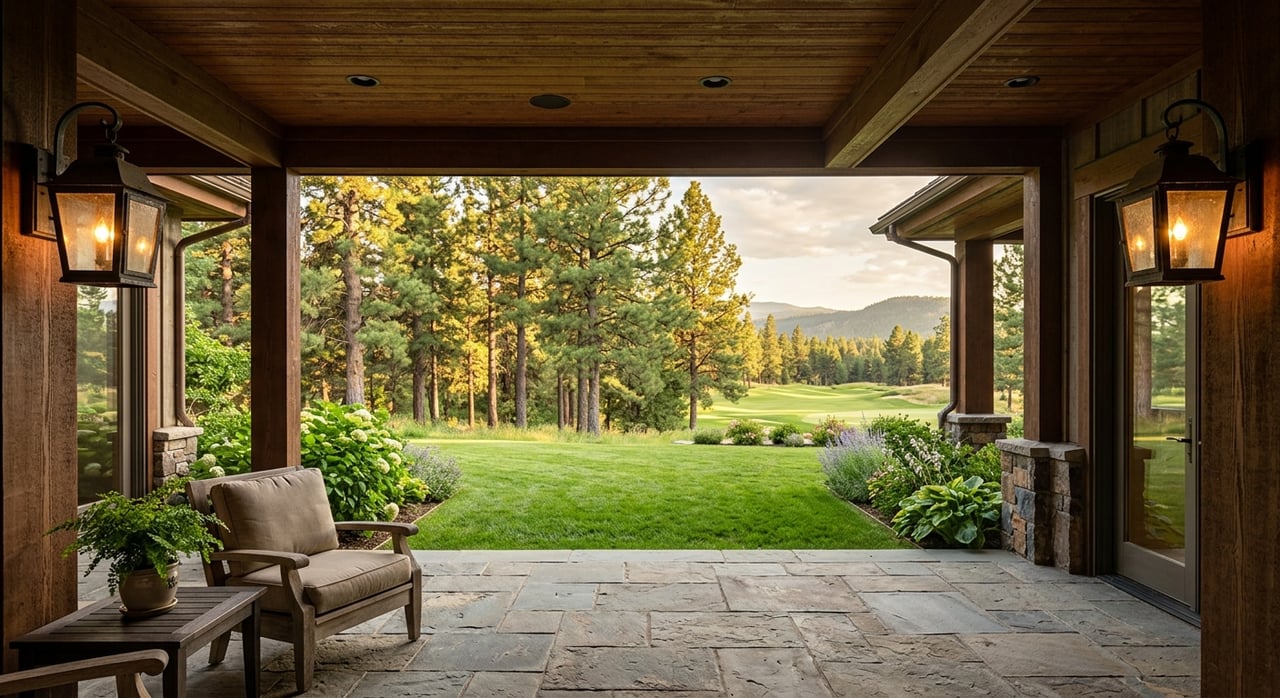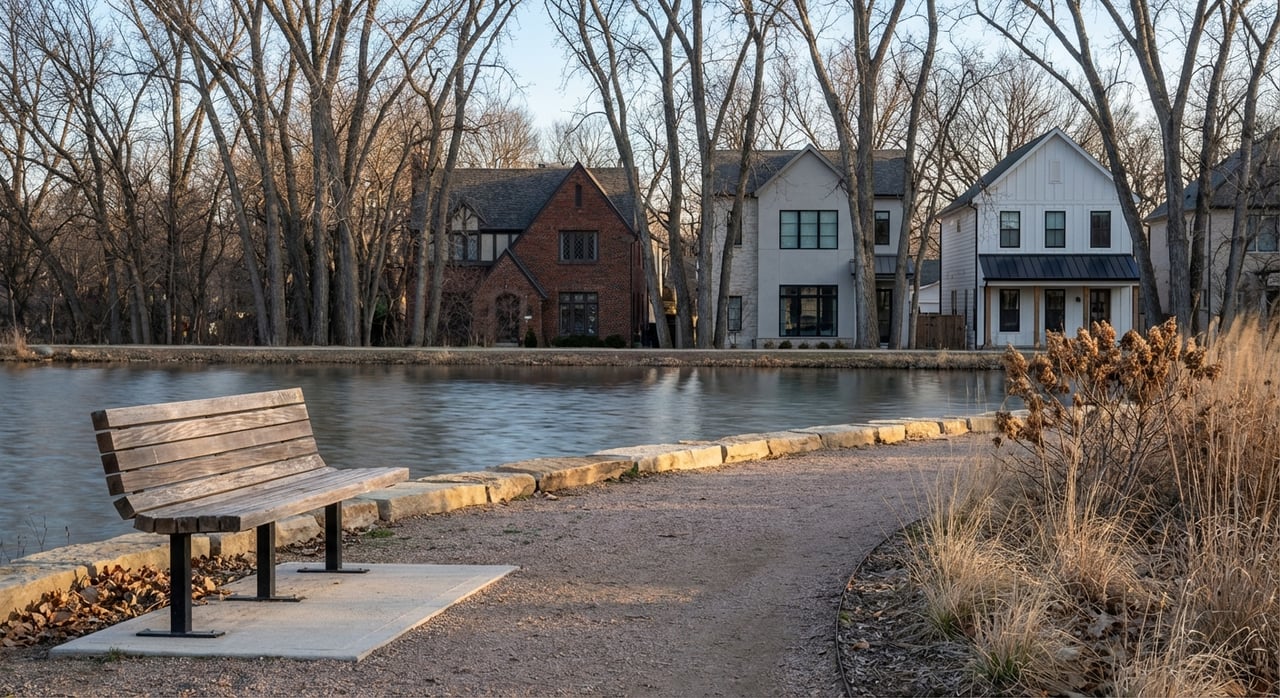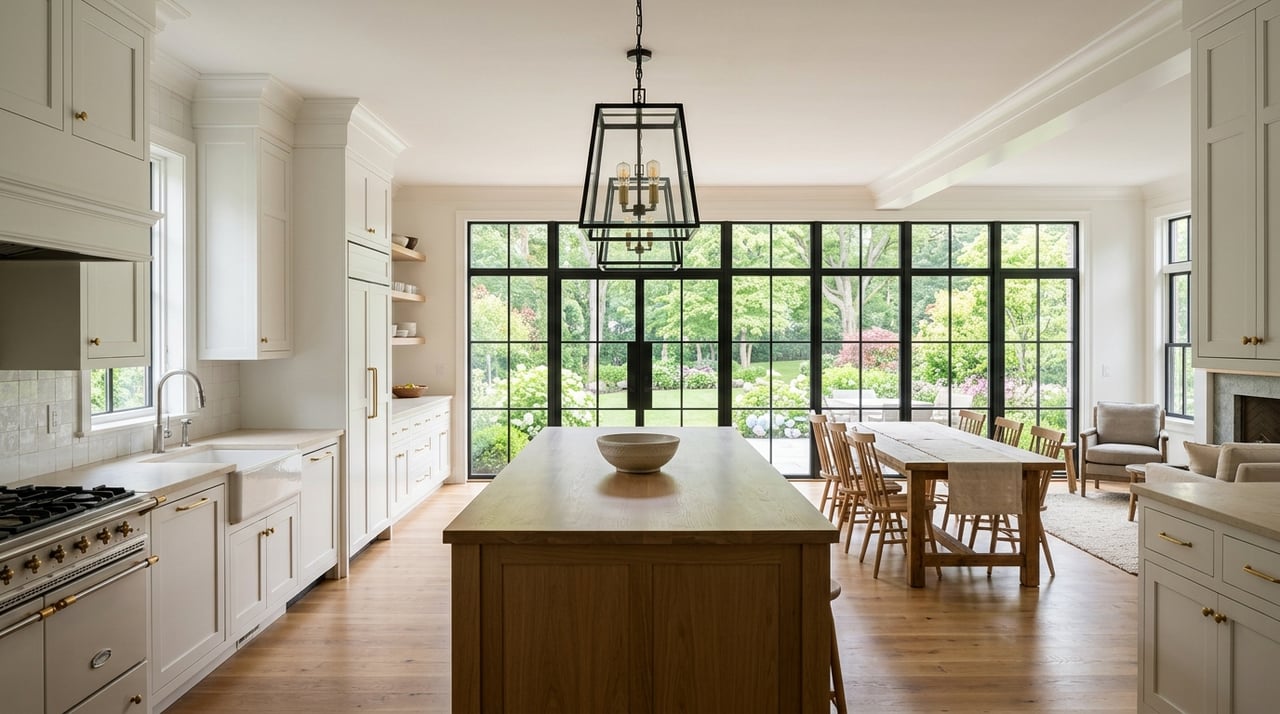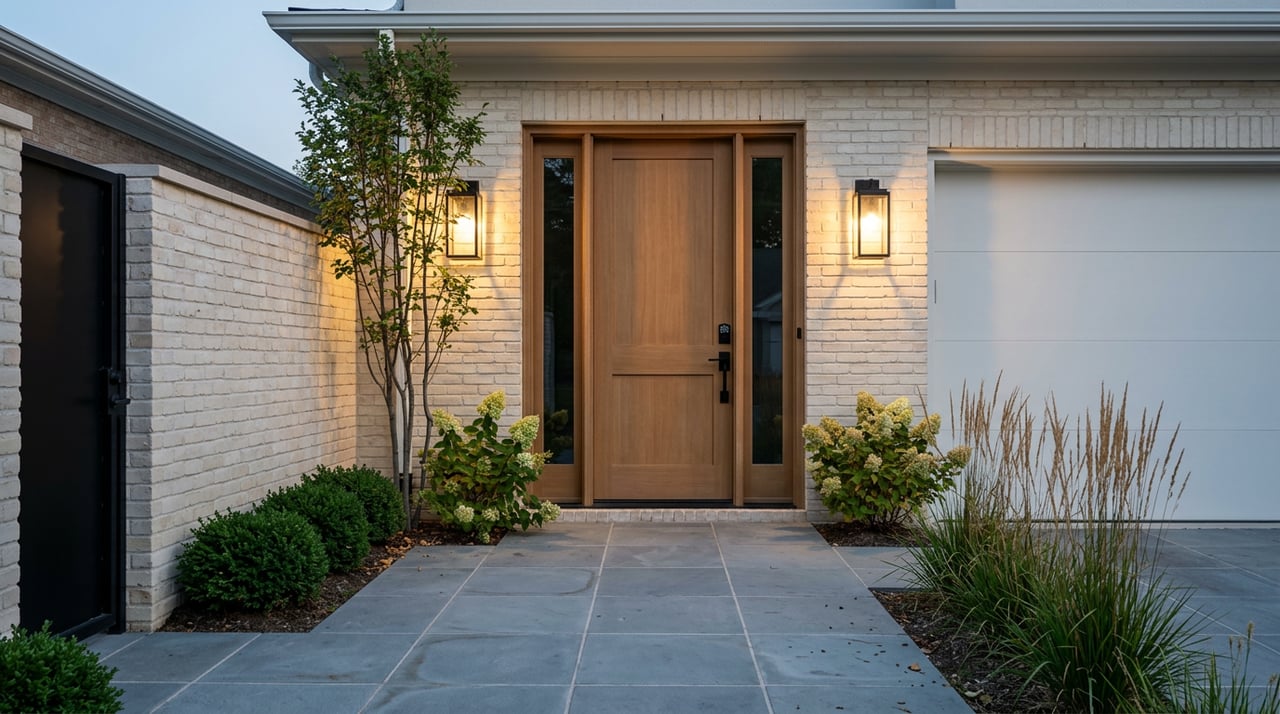
Love the idea of stepping out your front door and onto a lakeside path, coffee in hand? In Washington Park, daily life revolves around one of Denver’s most beloved green spaces, with tree-lined streets and neighborhood shops just a short stroll away. If you want a classic Denver feel with easy access to the outdoors, this guide will help you picture life here and decide if it is the right fit. You will get a clear look at homes, lifestyle, commute options, and smart buyer and seller tips. Let’s dive in.
Why Wash Park stands out
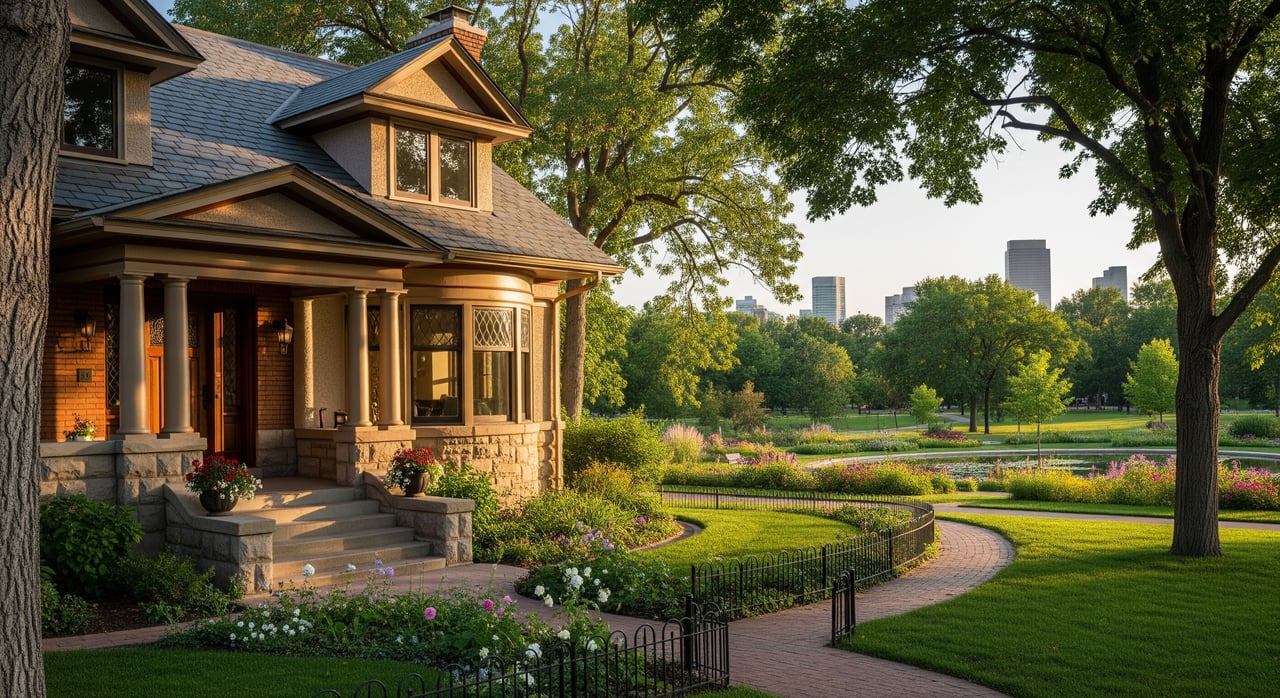
Washington Park, known locally as Wash Park, is a long-established neighborhood centered on a large public park with lakes, gardens, courts, and loops for walking and running. The vibe is relaxed, residential, and very park-forward. You will see strollers, joggers, and cyclists just about any day of the week.
You can expect mature trees, sidewalks, and a friendly pace on most blocks. Local coffee shops, cafes, and boutiques cluster along nearby streets, giving you the option to leave the car at home. It is a classic close-in Denver neighborhood that blends history with everyday convenience.
East vs West Wash Park
East Wash Park highlights
- Mix of historic homes and renovated properties.
- Strong proximity to the park’s eastern entrances and gardens.
- Street grid and lot sizes can vary block to block, which affects parking and yard space.
West Wash Park highlights
- Similar historic fabric with a range of bungalows and Denver Squares.
- Convenient to South Pearl Street’s shops and seasonal market.
- Access to bike routes that connect toward downtown and regional trails.
Both sides share the same park-centered lifestyle, but street patterns, lot sizes, and housing mix can shift as you move east to west. The right fit often comes down to your preferred block, home style, and how you plan to use the park.
Homes and architecture
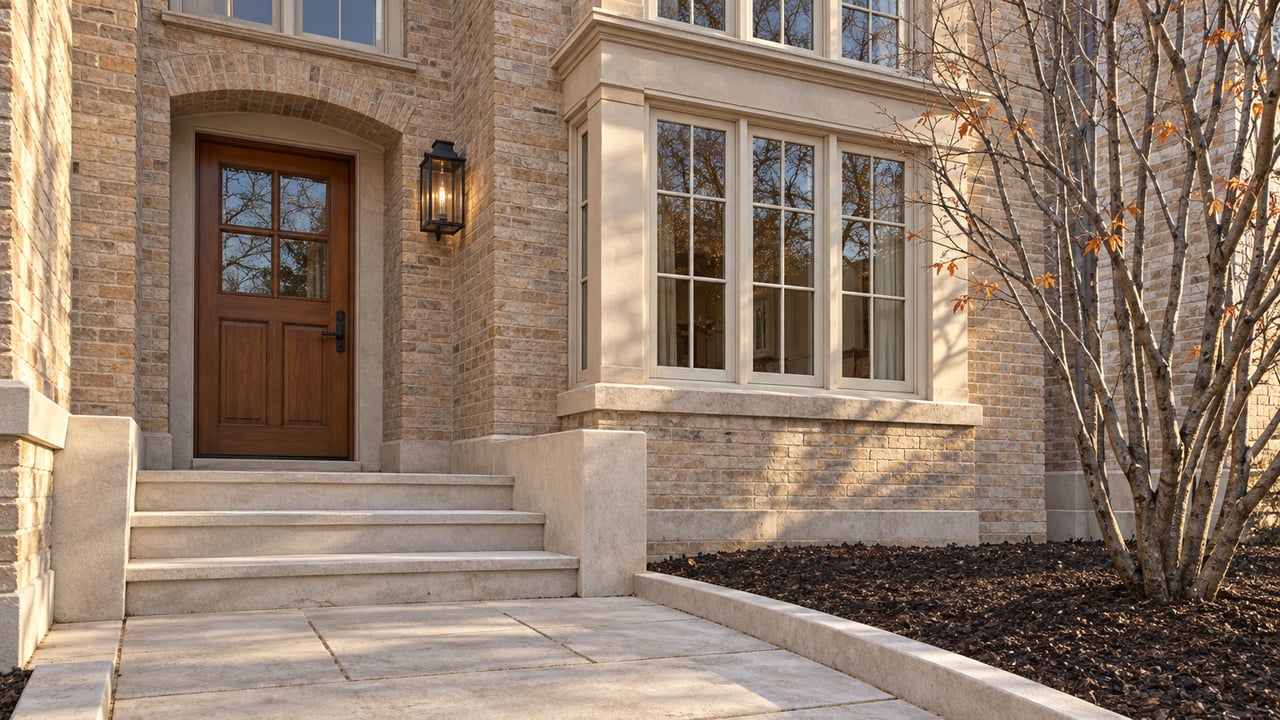
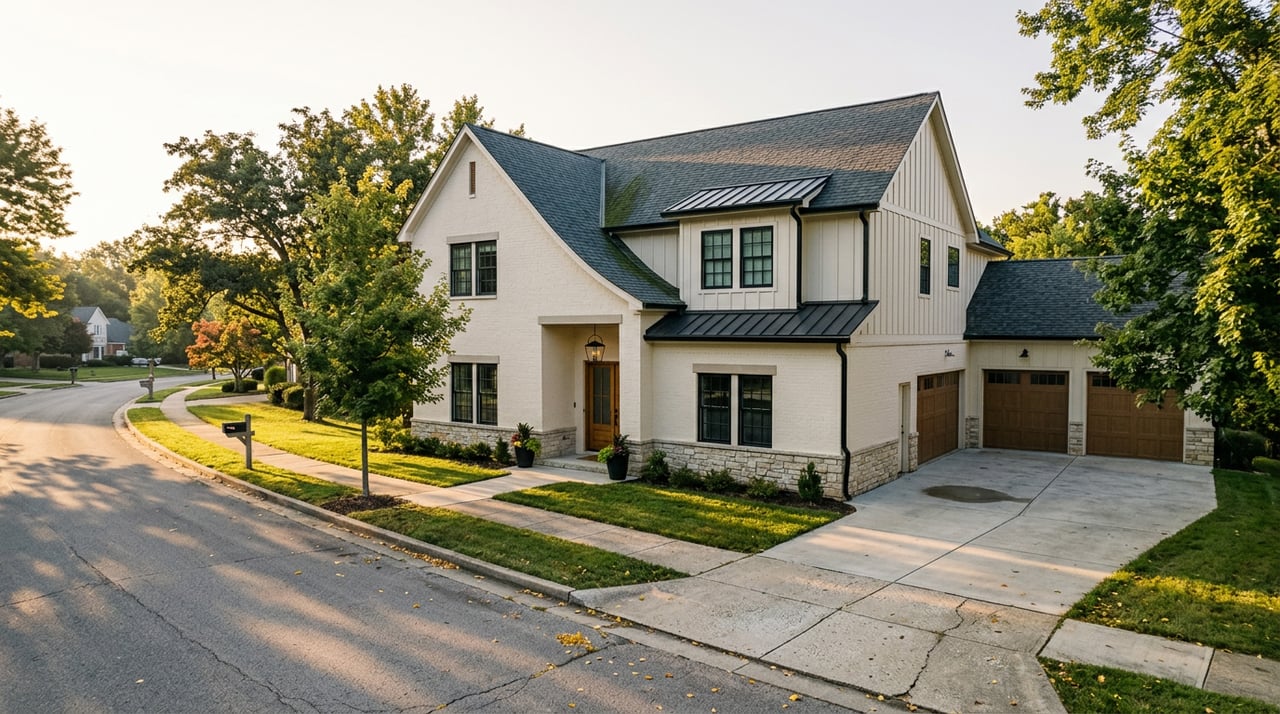
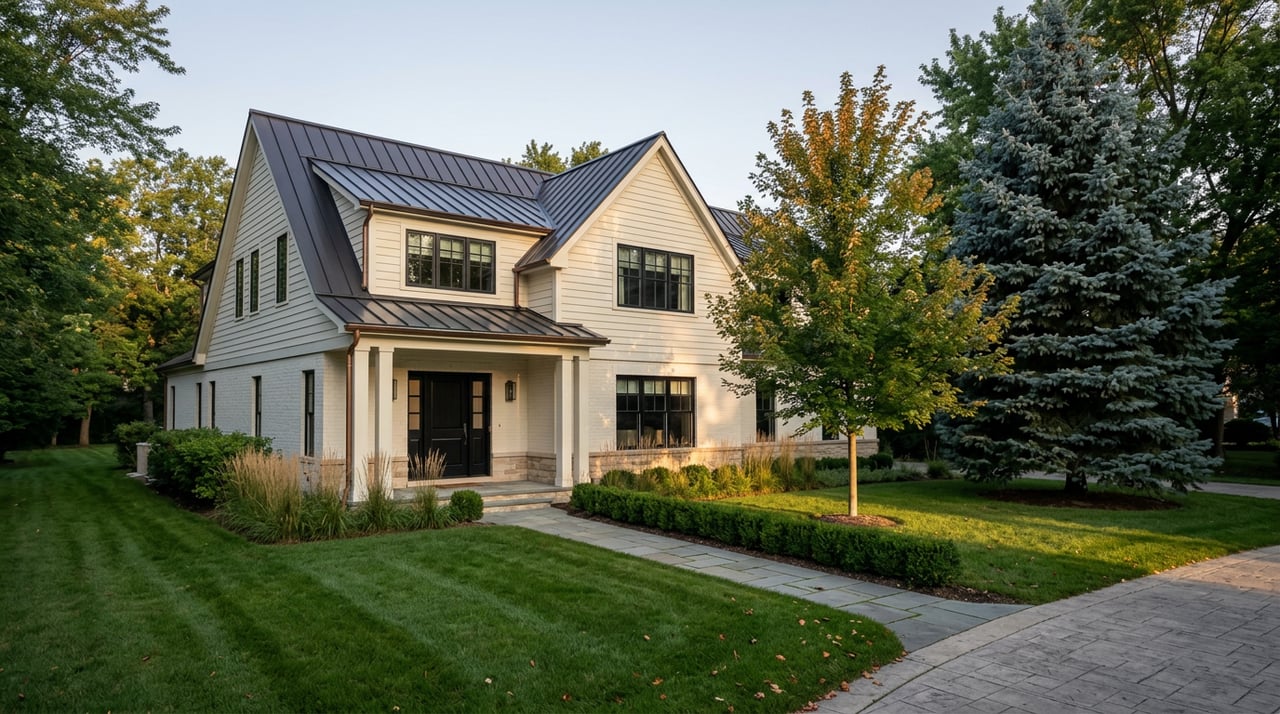
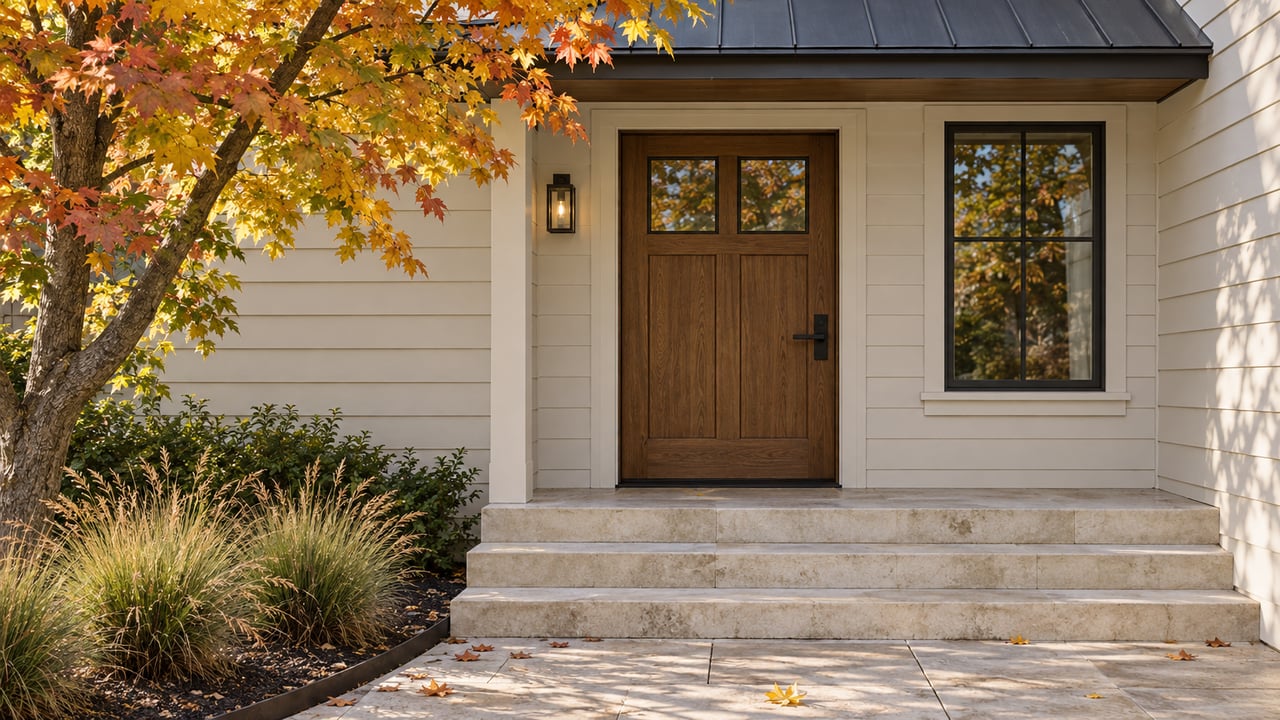
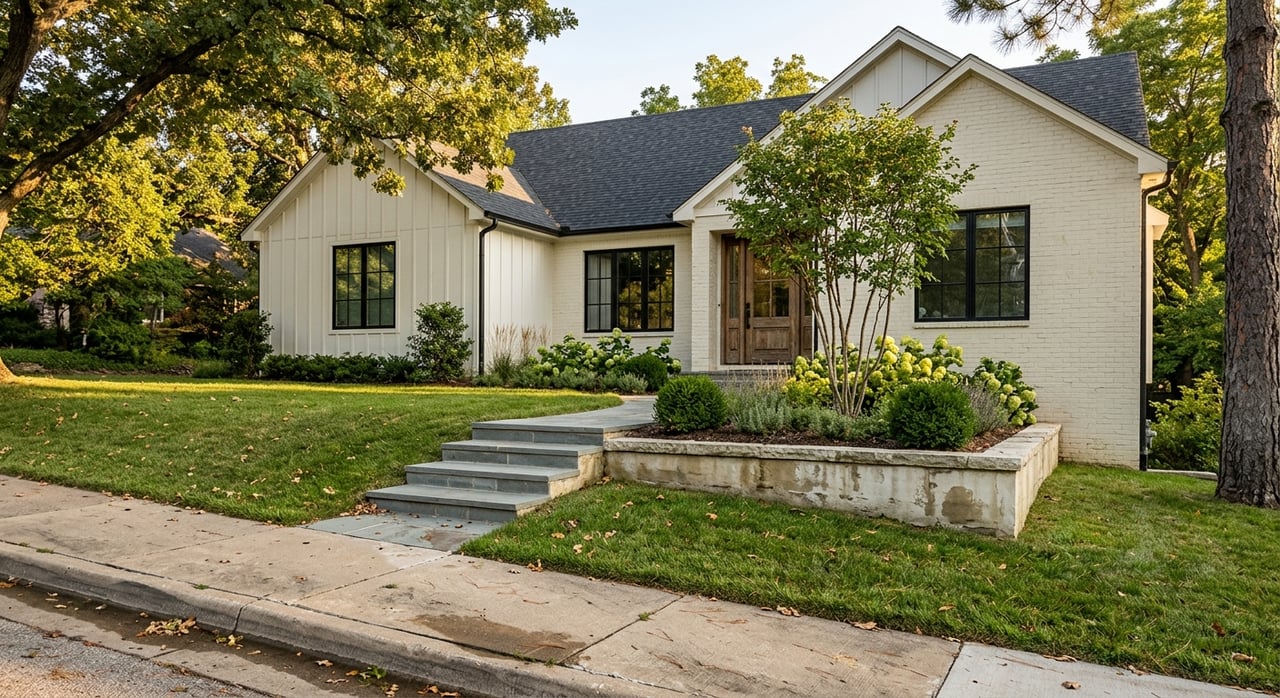
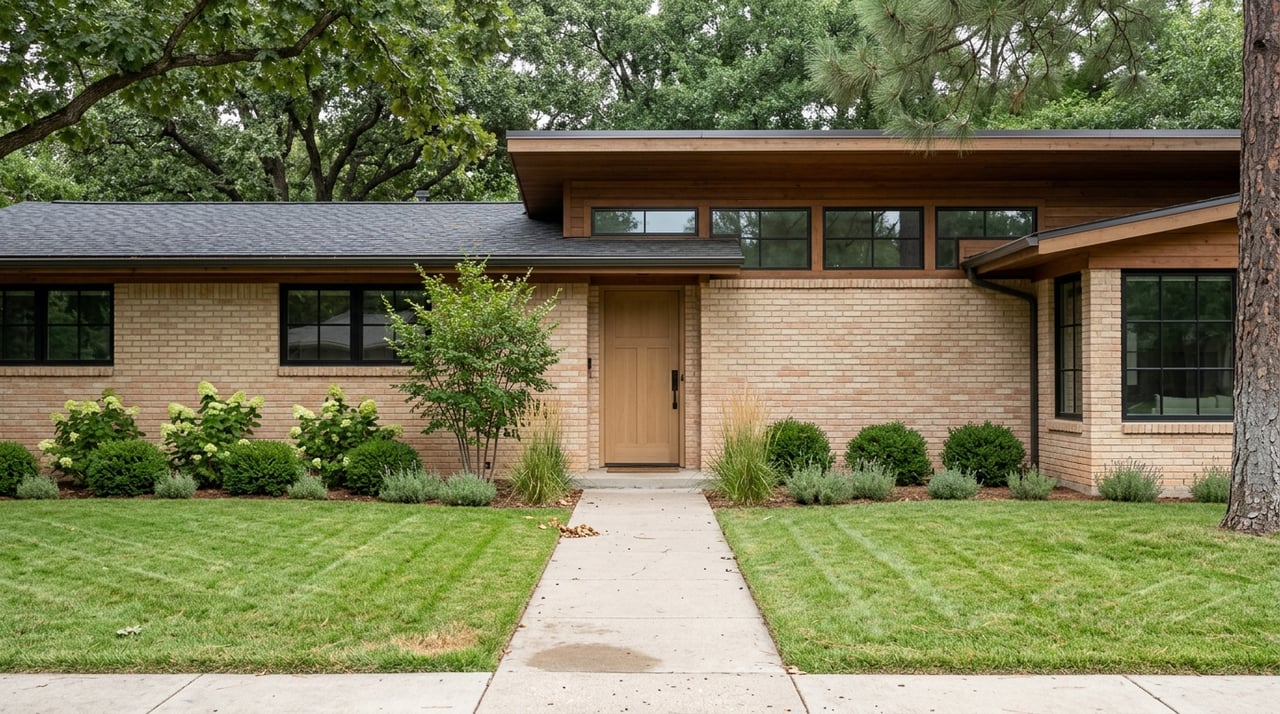
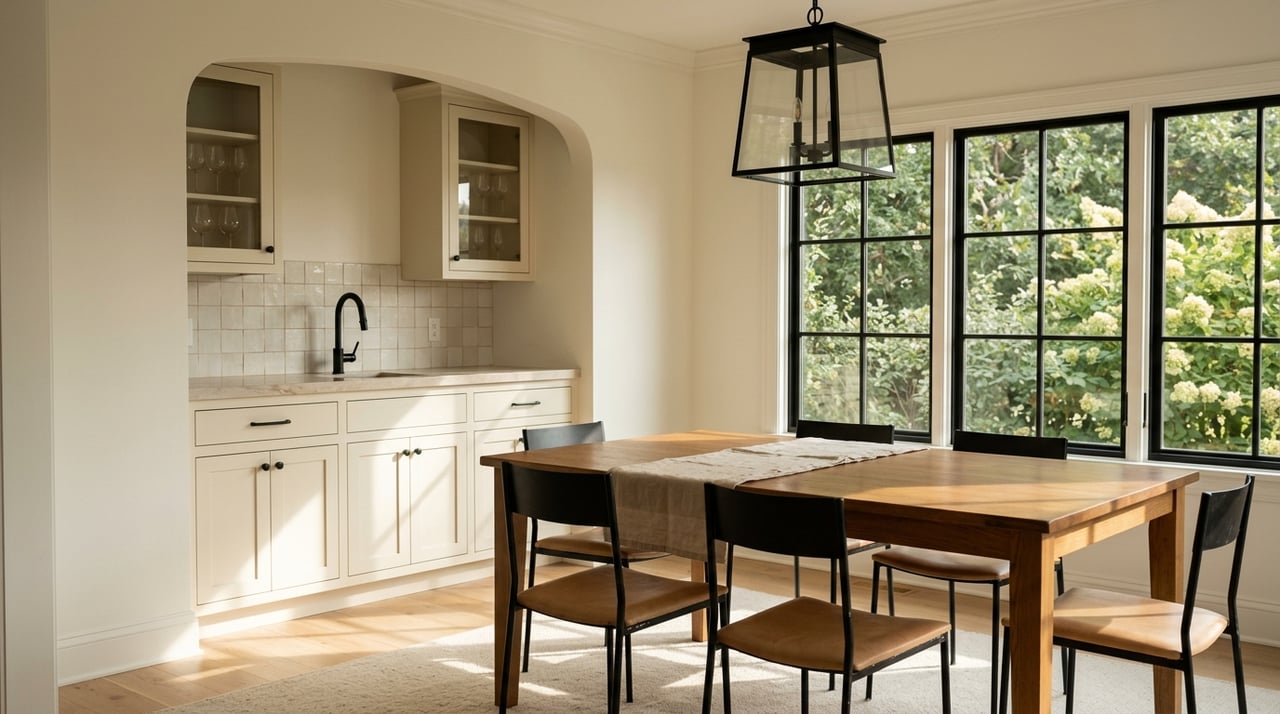
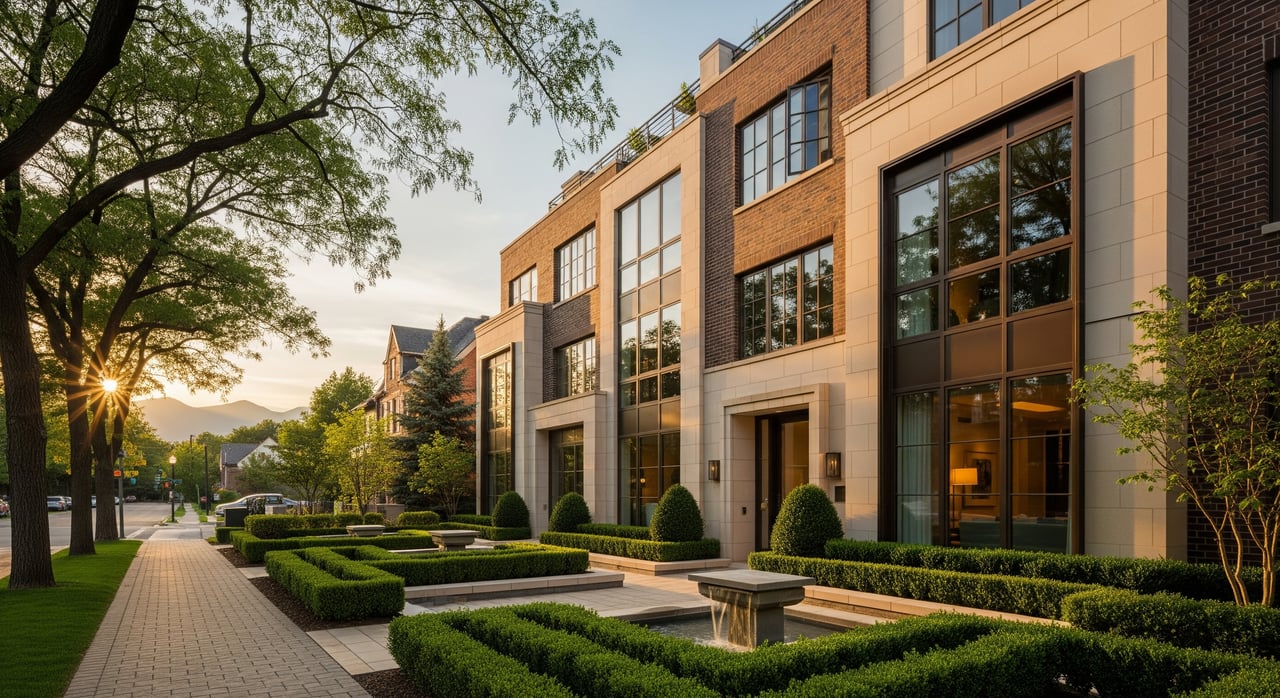
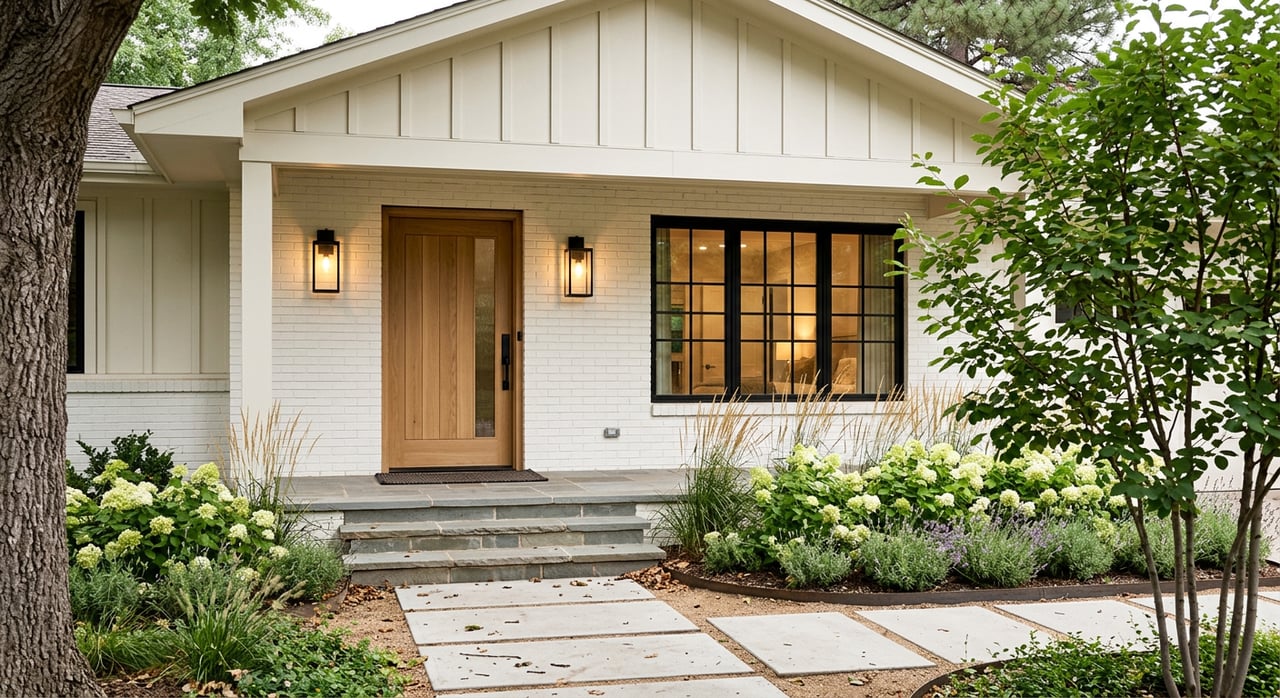
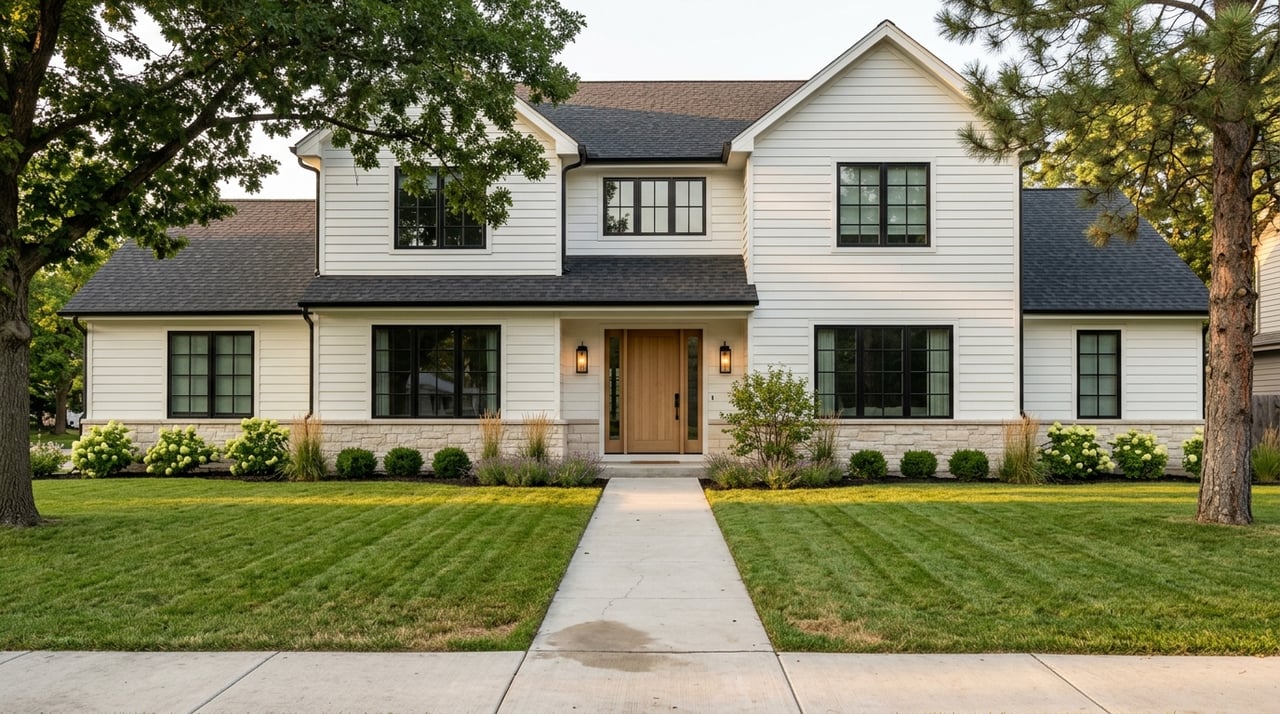
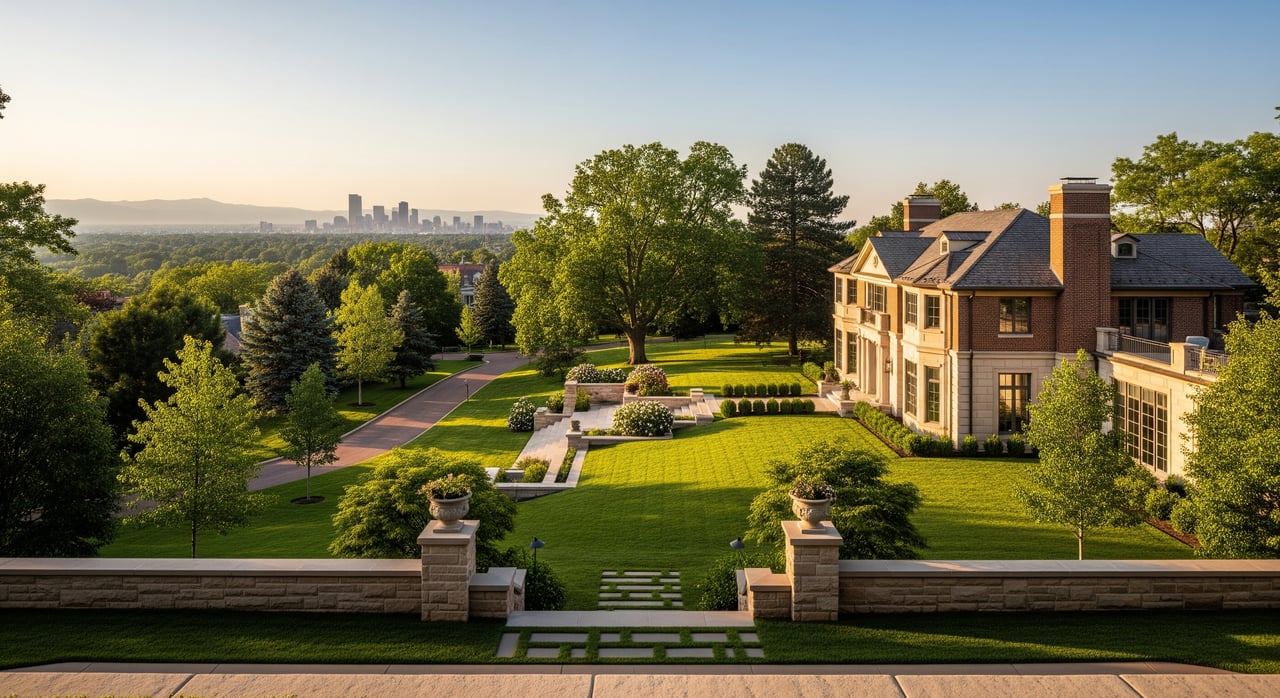
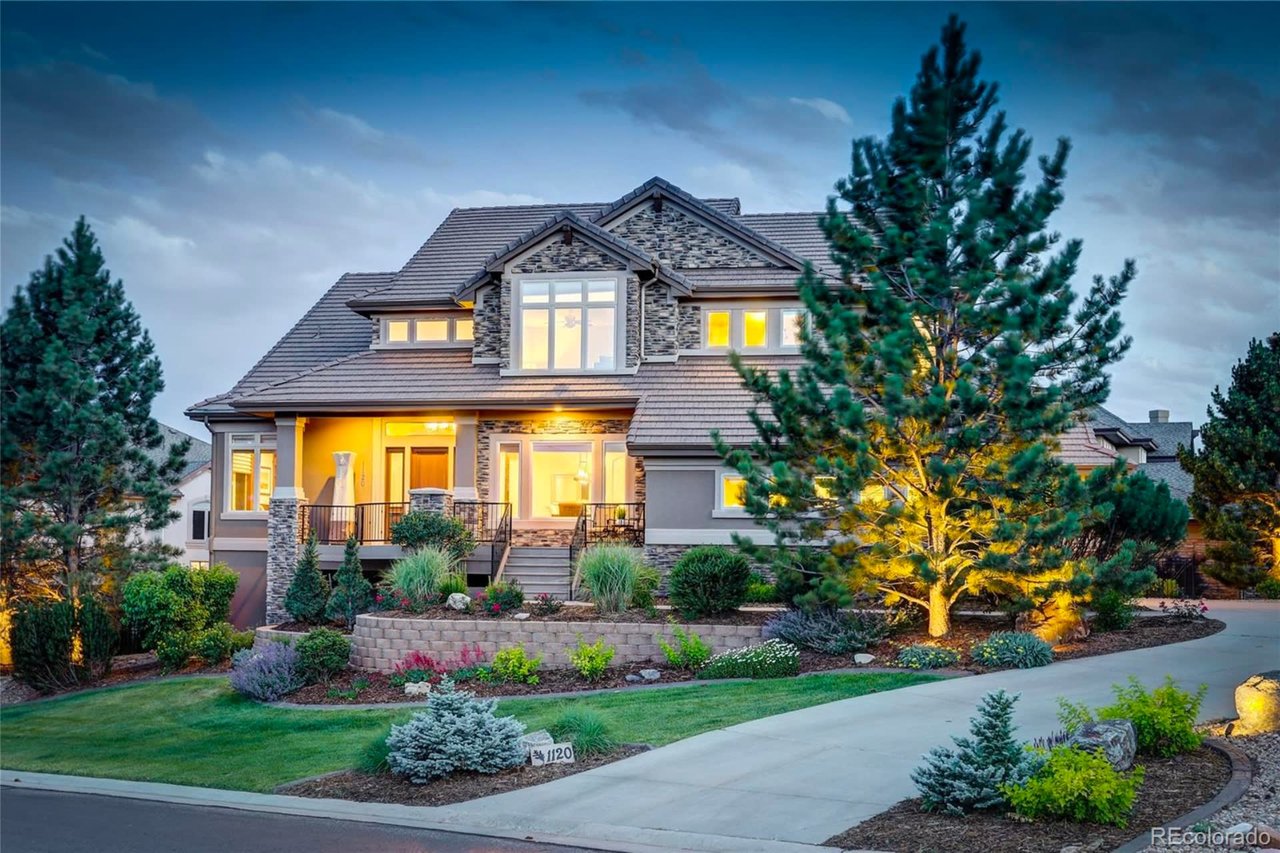
Wash Park’s housing stock leans historic. You will find early 20th-century bungalows, Denver Squares, Tudors, and Colonial-influenced homes, plus townhomes and low- to mid-rise condos. Many original houses have been updated inside while keeping their classic exteriors. Newer infill does appear, often replacing smaller older homes on individual lots.
Prices here typically sit above the Denver metro median, reflecting park access, central location, and historic character. Entry points can include smaller condos or older homes that need renovation. On the high end, fully renovated historic homes and newer luxury infill command strong prices. If you want the charm without the projects, focus on homes with recent systems and finishes already in place.
Lifestyle around the park
The park is the heartbeat of daily life. Residents use the walking and running loops, meet friends on open lawns, visit playgrounds, and play tennis or informal games on fields. Lakes and gardens add to the scenery and seasonal color. Community groups and conservancy volunteers help care for the park and support programming, from cleanups to garden projects.
Dog walking is common, with rules set by Denver Parks and Recreation. Weekends and event days can be lively, especially near main entrances, so plan around peak times if you prefer quiet laps.
Dining and local shopping
Two neighborhood retail streets anchor everyday errands and dining. Old South Gaylord brings cafes, restaurants, salons, and boutique retail in a charming, walkable setting. South Pearl Street offers an eclectic mix of independent shops, eateries, art spots, and a seasonal farmers market. You will also find grocery options and daily conveniences within a short drive, depending on your exact block.
Nightlife is more laid-back, with neighborhood bars and casual dining. For a bigger night out, many residents head to Cherry Creek or downtown.
Getting around
Wash Park’s location makes it easy to reach central Denver by car, often within 15 to 20 minutes outside peak traffic. Bus routes run along nearby corridors, and light rail stations are a short drive or bike ride from many blocks. Bike lanes and local routes connect to citywide trails, including paths that tie into the Cherry Creek corridor.
Parking is mostly residential. It gets busier around park entrances and the commercial streets, especially on weekends and during events. If guest parking matters for you, take note of block signage and visit at different times of day.
Schools and childcare
Public schools here are part of Denver Public Schools. Many families use nearby neighborhood schools, while others choose charter or private options. Boundaries, performance, and enrollment policies change over time, so check current DPS maps and talk directly with schools to understand programs and timelines. Multiple preschools and childcare centers operate in and around the neighborhood, and demand can be strong in close-in areas.
Is Wash Park right for you?
Wash Park may be a great fit if you:
- Want daily park access and a walkable, residential feel.
- Appreciate historic homes and mature trees.
- Prefer neighborhood dining and shopping over late-night venues.
- Value bike and trail connections to the broader city.
It may not be ideal if you:
- Need large new-construction options with uniform features.
- Want more square footage for the price than close-in neighborhoods provide.
- Prefer very quiet weekends near your front door, away from park activity.
Key trade-offs to weigh
- Price premium: You often pay more to be near the park and close to central Denver.
- Older homes: Historic charm can come with maintenance, systems upgrades, and renovation costs.
- Parking: Garages and driveways vary, and on-street parking can be tight near busy nodes.
- Inventory: New construction is limited compared with newer suburbs.
Buyer tips for Wash Park
- Walk the block: Visit at different times to gauge traffic, noise, and parking.
- Inspect for age-related items: Roof, sewer line, electrical, and windows often merit close attention with older homes.
- Understand overlays: Some blocks may have conservation or historic considerations that shape exterior changes. Verify with the City and County of Denver before planning renovations.
- Budget for updates: Even renovated homes may need tweaks to fit your lifestyle.
Seller tips for top results
- Presentation matters: Staging, landscaping, and premium photography help your home shine in a historic, design-focused area.
- Pre-list prep: Strategic updates can maximize appeal. Programs like Compass Concierge can help fund select improvements that elevate the listing.
- Smart exposure: Pre-market pathways such as Compass Private Exclusives can create interest while protecting privacy.
- Pricing strategy: Use hyper-local comps that account for proximity to park entrances, lot size, and renovation level.
Work with a neighborhood guide
If Wash Park feels like your kind of place, you deserve guidance from someone who knows the blocks, the park patterns, and the inventory. With a boutique, client-first approach backed by Compass tools, you get tailored advice, elevated presentation, and thoughtful strategy from search to closing. Ready to explore the neighborhood or position your home for a standout result? Connect with Sherry Beindorff for a conversation.
FAQs
What types of homes are common in Wash Park?
- You will see historic bungalows, Denver Squares, Tudors, Colonial-influenced homes, plus some townhomes, condos, and newer infill.
Are home prices higher than the Denver average?
- Generally yes; park proximity, central location, and historic character often place prices above the metro median.
How busy is Washington Park on weekends?
- Activity picks up on weekends and during events, especially near main entrances, so expect more foot traffic and fuller parking.
Is parking difficult for guests?
- It depends on the block and time of day; streets near park entrances and retail corridors can be tighter during peak periods.
Which public schools serve Wash Park addresses?
- Schools are assigned by Denver Public Schools and can change; check current DPS boundary maps and confirm directly with the district.
Are there renovation restrictions on older homes?
- Some blocks may have conservation or historic considerations; verify zoning and permits with the City and County of Denver before planning work.