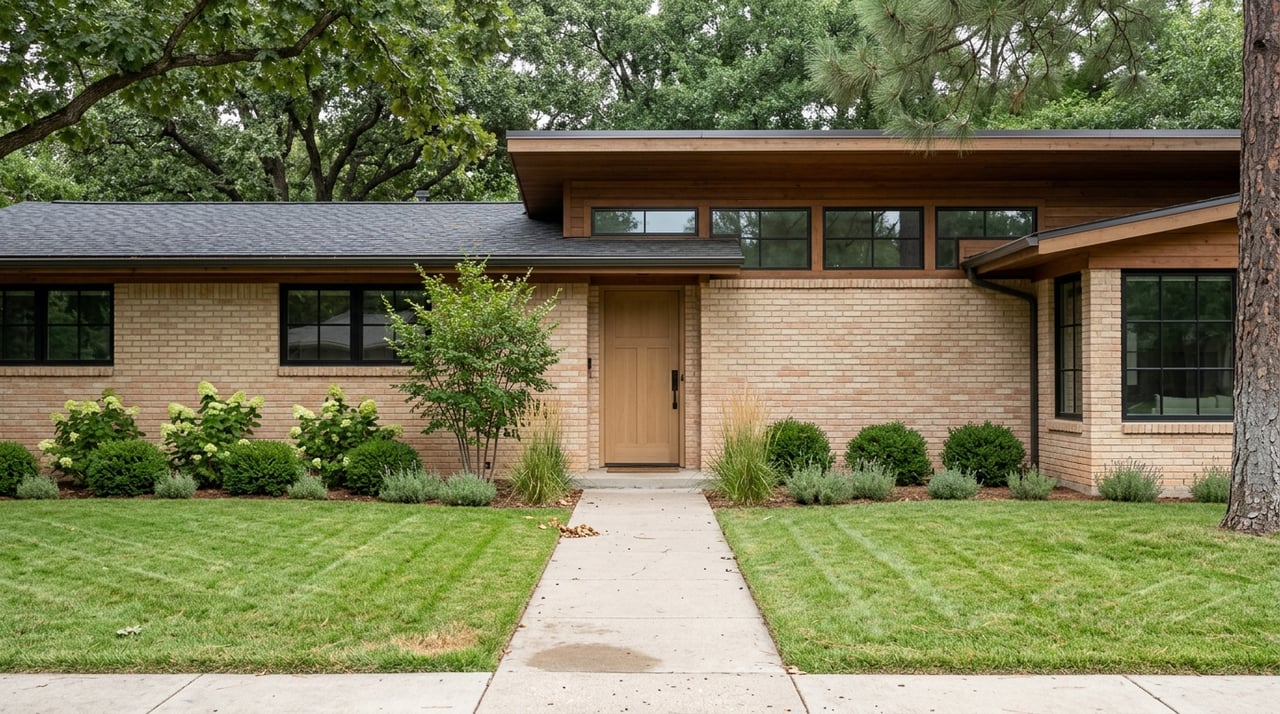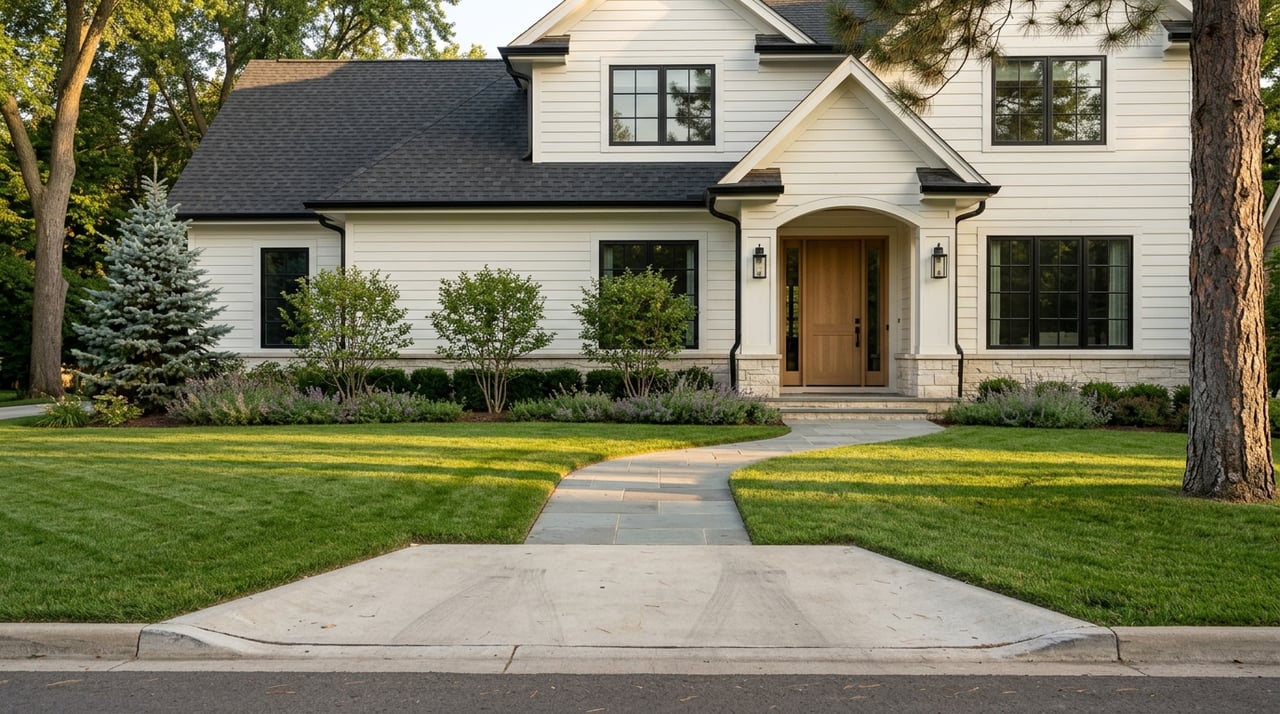
Thinking about listing your Cherry Hills Village estate and wondering if a pre-listing inspection is worth it? You are not alone. In a market where buyers expect elevated finishes and well-documented maintenance, small issues can influence how buyers value your home. In this guide, you will learn the real pros and cons, what inspections tend to uncover on larger custom properties, how to plan repairs and timelines, and practical next steps that fit your goals. Let’s dive in.
What a pre-listing inspection is
A pre-listing inspection is a comprehensive review of your home’s condition before you go on the market. For luxury properties, it often includes specialty inspections for systems and site features. In Colorado, you must disclose known material defects, and an inspection can help you identify and accurately disclose issues. The result is a clearer picture of your home’s condition so you can plan, price, and present with confidence.
Why it matters in Cherry Hills Village
Cherry Hills Village is a low-density, high-end community with many custom and estate homes on large lots. Buyers here commonly expect turnkey readiness, current systems, and evidence of quality care. Because price points are higher, seemingly minor defects can affect perception, leverage, and time on market more than in average neighborhoods. Reviewing recent comparable sales and local days on market will help you decide how much to invest in prep.
Pros and cons for luxury sellers
Pros
- Early discovery of safety and material issues, so you can fix or disclose on your terms.
- Greater buyer confidence that can reduce contingencies and speed closing.
- Stronger negotiating position by controlling repair scope, quality, and pricing.
- Smoother escrow with fewer surprises and last-minute credits.
- Better compliance with Colorado disclosure requirements.
Cons
- Upfront costs for inspections and any repairs, which are higher for estates.
- Visibility of problems that some buyers may use to negotiate or walk.
- Risk of over-improving items that do not return enough in price.
- Possible listing delays if you complete permits and repairs first.
Practical takeaway: In many Cherry Hills Village sales, the benefits of control, confidence, and speed outweigh the costs. Your decision should reflect your property’s condition, comparable sales, timeline, and risk tolerance.
What inspections often uncover on estates
Older or large custom homes can present unique conditions. Common findings include:
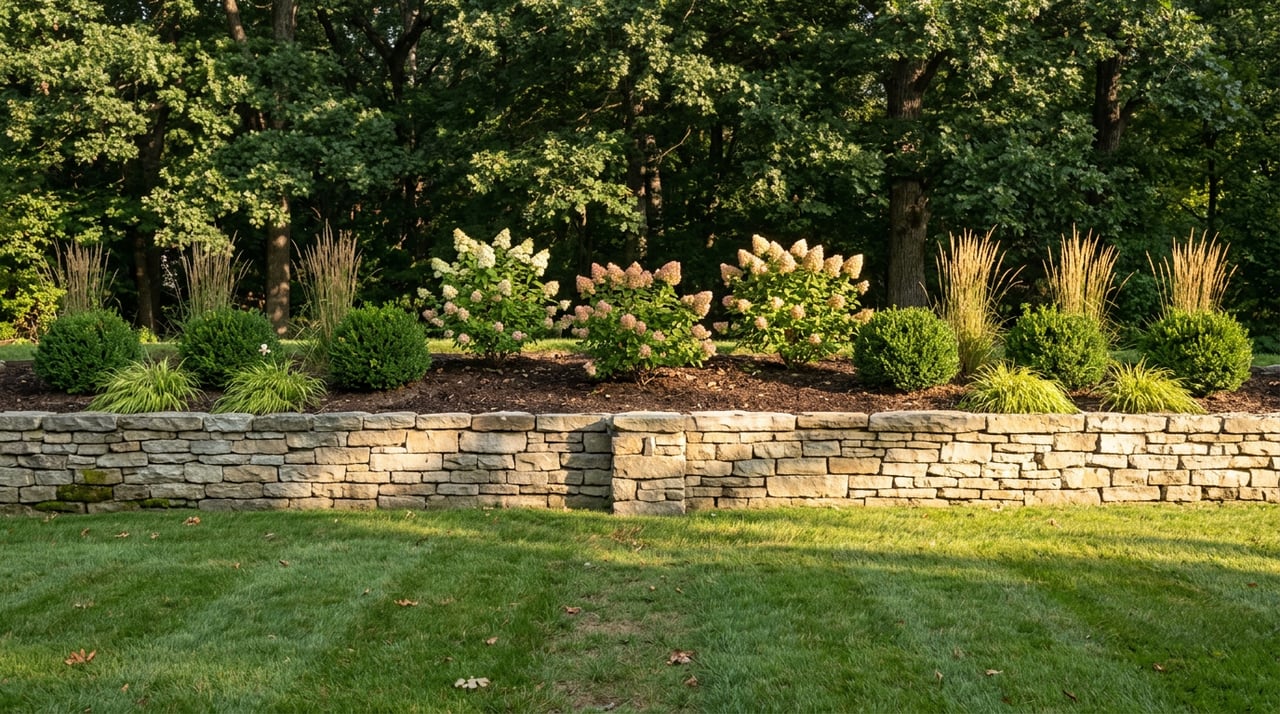
- Structural and site: settlement, retaining wall movement, slope and drainage issues.
- Roofing: aging materials, complex flashing, leaks at valleys and chimneys.
- Mechanical systems: multi-zone HVAC and boilers needing service or components.
- Electrical: older panels, overloaded circuits, missing AFCI/GFCI, outbuilding wiring.
- Plumbing: older supply lines, hidden leaks, long sewer laterals with root intrusion.
- Water and irrigation: private well considerations, backflow prevention, pump issues.
- Pools and spas: equipment wear, plumbing leaks, deck or safety compliance issues.
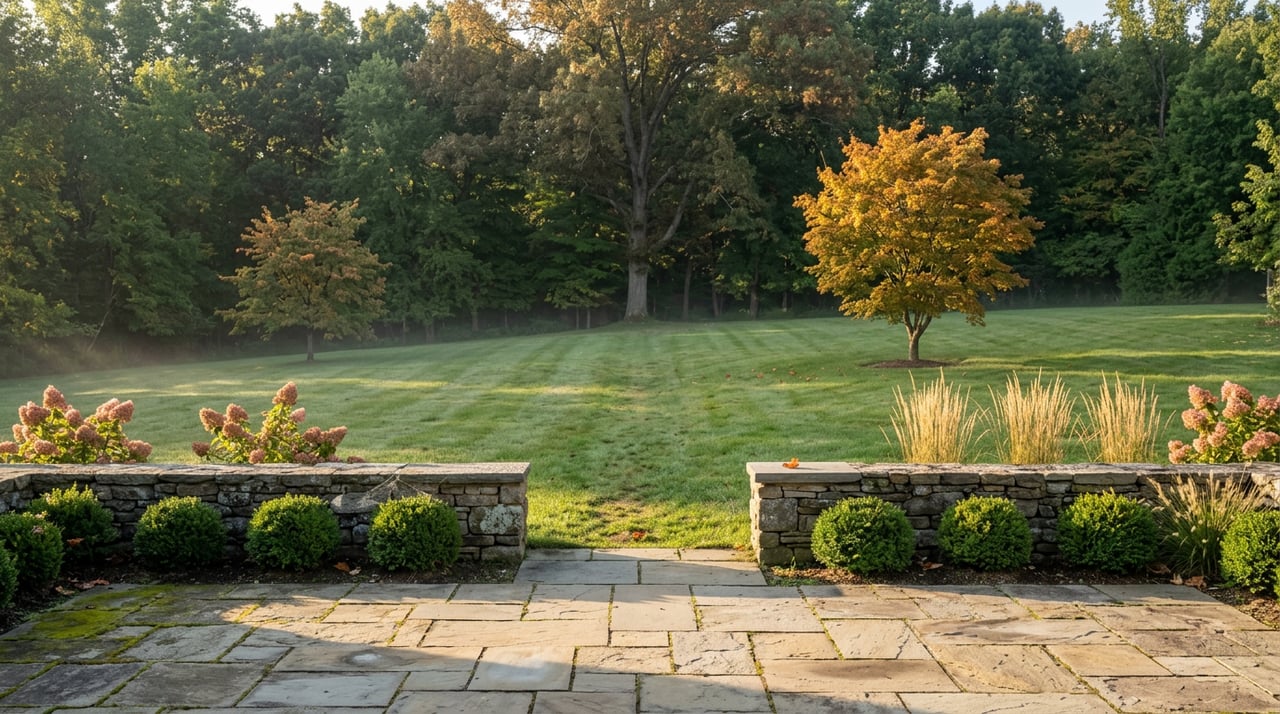
- Exterior and landscape: drainage paths, mature tree risks, driveway or hardscape settlement.
- Specialty finishes and tech: radiant heat, smart systems, custom millwork maintenance.
- Environmental and pest: radon potential, mold, termite or rodent evidence.
- Permits and compliance: unpermitted additions or converted spaces.
Recommended specialty inspections
Consider a bundled plan customized to your property features:
- Comprehensive home inspection by a pro experienced with large estates.
- Structural or engineering review if there are signs of settlement or complex retaining walls.
- Roof inspection, with infrared if leaks are suspected.
- Full mechanical review: multi-zone HVAC, boiler, pool equipment, fireplaces and chimney.
- Electrical evaluation by a licensed electrician.
- Plumbing and sewer scope; septic and well testing where applicable.
- Pool and spa evaluation, including deck and barrier safety.
- Irrigation and backflow, plus landscape drainage assessment.
- Pest and termite inspection.
- Environmental screening as needed: radon, mold, asbestos or lead in older areas.
- Survey and easement review if boundaries, access, or outbuildings may raise questions.
Timelines, permits, and contractor readiness
Cherry Hills Village has its own building and planning processes, and Arapahoe County records may also apply based on parcel location. Permits are required for many significant repairs, so verify what is needed before you start. Radon testing is commonly recommended in Colorado, and you should confirm permit status for any past or planned work.
Vetting high-end contractors
- Choose contractors with a track record on luxury or custom homes and similar scopes.
- Verify licensing and standing through Colorado regulatory channels.
- Insist on detailed written scopes with separate line items for safety or code versus cosmetics.
- Require clear timelines, milestone payments, proof of insurance, and lien waivers.
- Confirm the contractor will secure required permits and final inspections.
What to expect on timing
Minor repairs can be scheduled quickly, while structural or major mechanical work may take weeks. Permit lead times vary by scope and season. Allow buffer time for city inspections and any rework, and plan exterior projects around weather.
A smart sequence for repairs
Prioritize in this order to protect value and prepare for market:
- Safety and code items first: electrical hazards, gas leaks, major roof or structural issues.
- Systems that affect showings and appraisals: HVAC, hot water, septic or sewer.
- Exterior and water management: roof, gutters, drainage, retaining walls.
- Permitted structural fixes: foundation and major framing corrections.
- Specialty systems: pool, well pump, smart-home controls.
- Cosmetic and staging enhancements: paint, flooring, landscaping, detailing.
This approach minimizes buyer leverage from major issues, improves first impressions, and ensures cosmetics are not undone by earlier work.
Budgeting and return on investment
Set your budget using recent comps, local days on market, and the condition of competing listings. Focus dollars on items that reduce buyer friction and reinforce premium presentation. Keep all permits, warranties, and invoices to share with buyers and to update your Colorado Seller’s Property Disclosure.
Project-management help and funding options
An experienced listing agent can help you evaluate which items pay off, sequence work to a target launch date, and connect you with vetted vendors. Many brokerages offer support for pre-listing projects. Programs similar to Compass Concierge can provide up-front funding for approved improvements, with repayment at closing. Terms and availability vary by market, so confirm details before you commit.
Practical checklist and next steps
- Review your goals: speed, price, and risk tolerance.
- Compare your home’s condition with local comps and actives.
- Scope the inspection plan: full inspection plus specialty reports for your systems.
- Gather three bids for major repairs and confirm permit requirements.
- Sequence work using the safety-to-cosmetics order listed above.
- Keep documentation for permits, warranties, and invoices.
- Decide how you will share inspection findings, such as an executive summary or reports upon request.
When skipping might make sense
You might skip or limit pre-listing inspections if you plan to price aggressively for condition, sell as-is, or if timing is so tight that you cannot complete essential work. Even then, consider addressing obvious safety or water-management issues to avoid buyer concern and protect value.
Ready to talk strategy?
If you are weighing a pre-listing inspection for your Cherry Hills Village estate, you do not have to decide alone. Let’s align your goals, budget, and timing with a plan that maximizes confidence and minimizes stress. Connect with Sherry Beindorff to craft a discreet, high-return path to market.
FAQs
What is a pre-listing inspection for a Cherry Hills Village luxury home?
- It is a comprehensive evaluation of your estate’s condition before listing, often including specialty inspections for systems, site, and unique features.
Do Colorado sellers have to disclose issues found in a pre-listing inspection?
- Yes, you must disclose known material defects, and inspection findings can help you complete the Seller’s Property Disclosure accurately.
Which specialty inspections are most valuable on large lots in Cherry Hills Village?
- Structural, roof, sewer scope, multi-zone HVAC, electrical, irrigation and drainage, pool or spa, and environmental testing like radon are commonly recommended.
How long do permits and repairs usually take before listing an estate?
- Minor repairs can be fast, while structural or major mechanical work and permits may take weeks, so build in buffer time for approvals and inspections.
How can a brokerage concierge-style program help with pre-listing work?
- Some programs can fund approved improvements up front and are repaid at closing, while your agent coordinates vendors, sequencing, and timelines.
Should I share my pre-listing inspection report with buyers?
- Many sellers provide reports or an executive summary to build confidence, paired with documentation of completed repairs, permits, and warranties.