Trying to choose between Greenwood Village and Lone Tree for a Denver Tech Center commute can feel like splitting hairs. Both offer great access to I-25, strong amenities, and neighborhoods that work well for busy professionals and families. The right fit comes down to how you commute, the school districts you prefer, and the lifestyle you want day to day. In this guide, you’ll compare commute realities, schools, housing styles, and local perks so you can decide with confidence. Let’s dive in.
Commute reality for DTC
Distance and drive times
If you want the absolute shortest drive, Greenwood Village often wins. Many DTC campuses sit inside Greenwood Village borders, which helps explain the city’s mean travel time to work of about 19.9 minutes based on community-wide data. You can review that baseline in the Greenwood Village profile on Census Reporter.
Lone Tree is a quick shot south on I-25 with a citywide mean commute around 25.7 minutes, per the Lone Tree Census Reporter profile. Actual DTC drive times vary by pocket and time of day, but expect Greenwood Village to feel 0 to 15 minutes to many DTC offices, and Lone Tree to feel roughly 10 to 20 minutes in typical peak traffic.
Key peak corridors include I-25 and arterials like Belleview, Orchard, Arapahoe, Dry Creek, Lincoln, and County Line. For a specific workplace, test your route at your usual departure time to see real-world differences.
Light rail and first–last mile options
The RTD Southeast Corridor serves the DTC and extends into Lone Tree. Stations that matter most to DTC-bound riders include Arapahoe at Village Center, Orchard, Belleview, and Dry Creek near Greenwood Village, and Lincoln, Sky Ridge, RidgeGate Parkway, and Lone Tree City Center in Lone Tree. If you plan to park and ride, review amenities at Arapahoe at Village Center Station and check your nearest lot’s hours and parking details.
Lone Tree leans into transit-oriented design. RidgeGate puts multiple stations and trails close to housing and retail, and the city supports first–last mile service. If you want a car-light commute, confirm local microtransit via RTD FlexRide in Lone Tree and explore the neighborhood design on the RidgeGate site.
How to test your specific commute
- Plug your home shortlist and DTC office address into your map app at your real departure time on two weekdays.
- Compare drive-only against drive-to-rail and walk-to-rail options.
- Repeat once during a weather event or after-school-activity window if that reflects your routine.
- Note return-trip patterns if you work late or attend evening events.
Schools and district boundaries
Greenwood Village and Cherry Creek Schools
Much of Greenwood Village is served by Cherry Creek School District, a large district with multiple comprehensive high schools and specialized programs. Cherry Creek High School is located in Greenwood Village. For calendars and program context, start with Cherry Creek Schools. Always verify school assignments by a specific address with the district.
Lone Tree and Douglas County School District
Lone Tree is primarily served by Douglas County School District. DCSD offers neighborhood schools plus magnet and choice options, including Lone Tree Elementary and feeder schools across the district. Explore elementary options and program structure on the DCSD schools page. Confirm the assigned schools for any property directly with DCSD.
Why boundaries matter
Centennial neighborhoods, which sit between and around these two cities, can feed into Cherry Creek Schools, Littleton Public Schools, or Douglas County Schools depending on the street. That patchwork is why you should verify assignments for any home you consider. If schools are a top priority, build boundary checks into your tour plan from the start.
Housing style, lots, and HOAs
Greenwood Village character and lot patterns
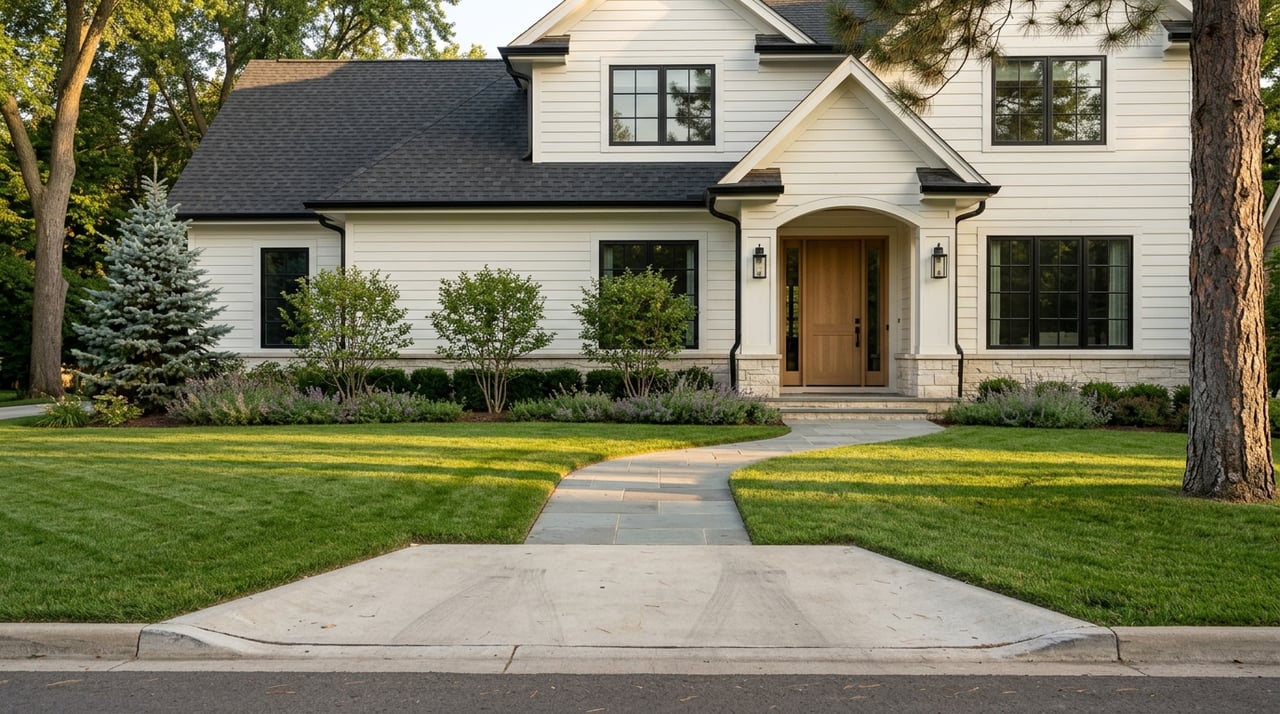
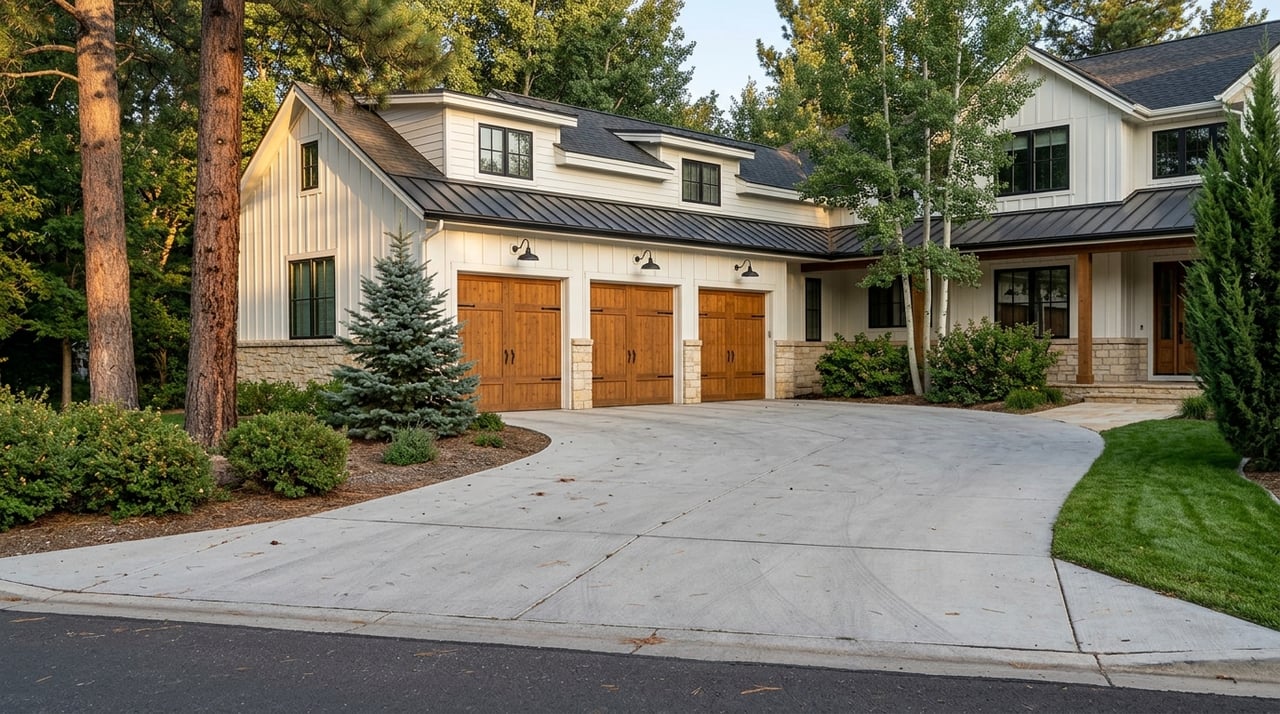
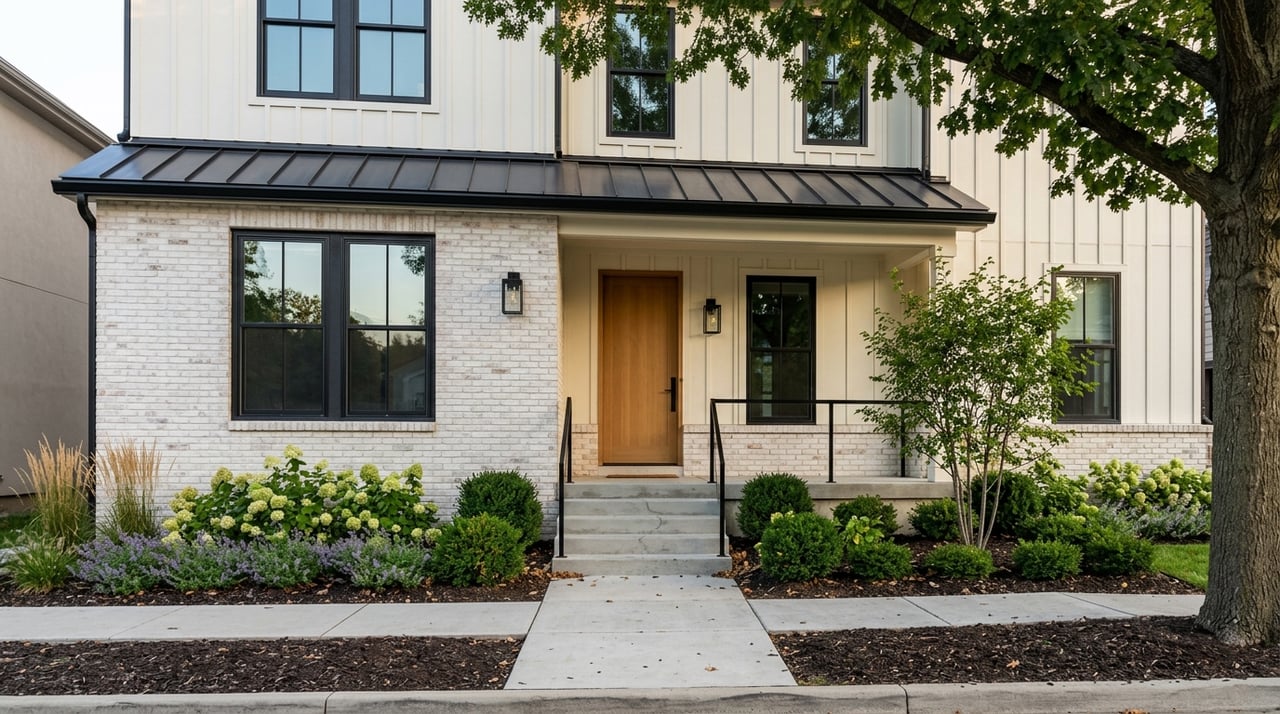
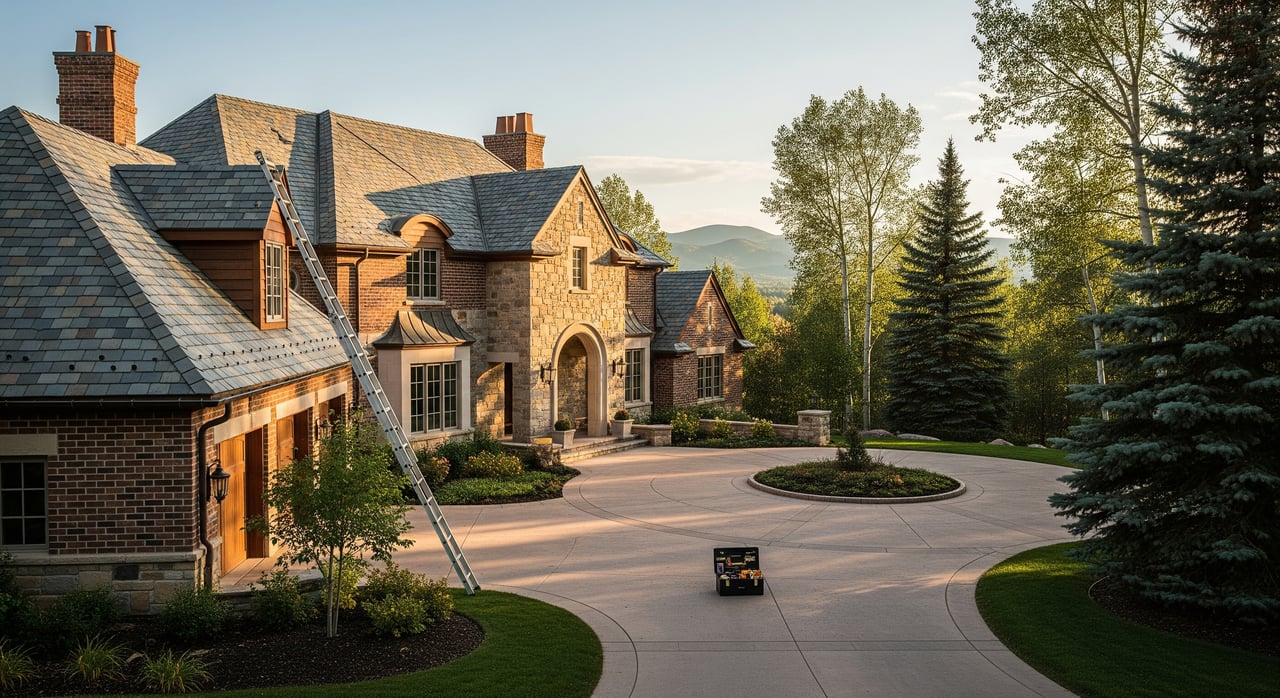
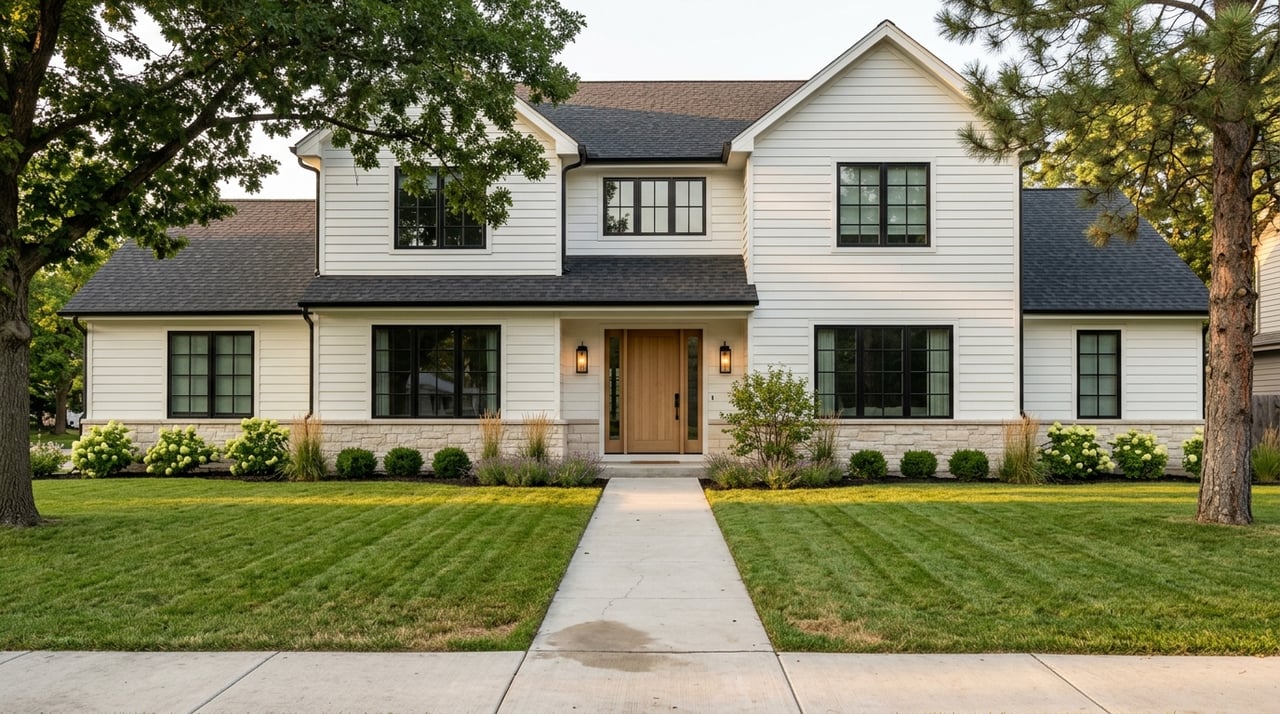
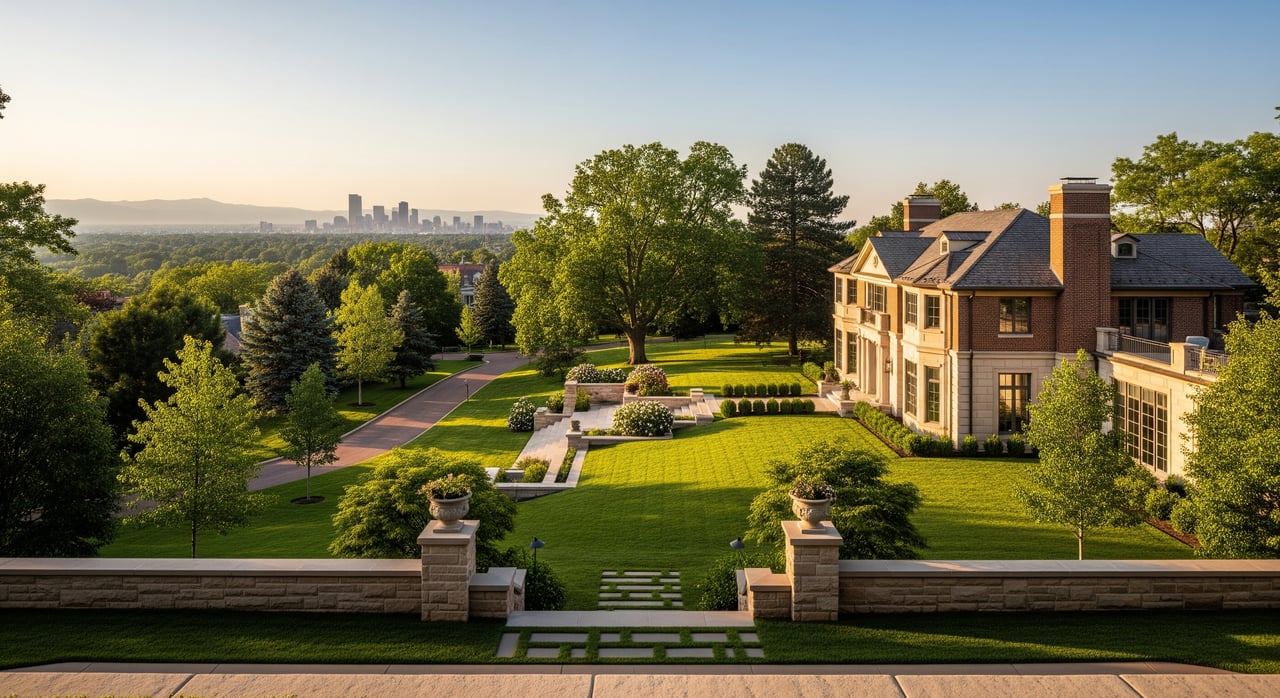
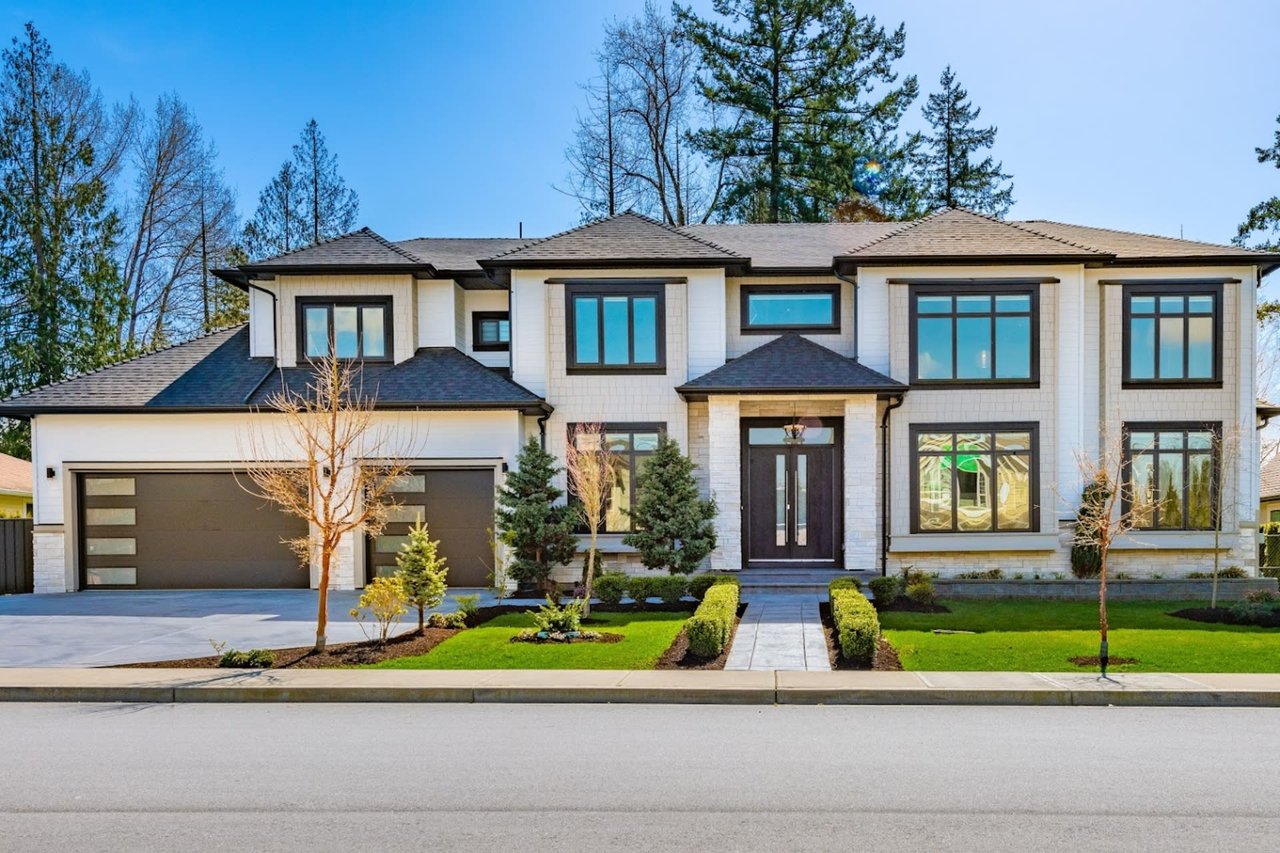
Greenwood Village blends DTC access with established residential pockets. Expect many single-family neighborhoods with larger lots, custom and luxury homes, along with a smaller set of townhomes and DTC-adjacent condos. The city’s history and planning choices emphasize preserving residential neighborhood character around the Tech Center, which helps explain the generous lot patterns in many areas. For context on that evolution, see the city’s overview of Greenwood Village history.
HOA structure varies. Many older single-family neighborhoods have low or no mandatory HOA, while DTC-adjacent condos and townhomes typically include monthly dues. Always review HOA covenants, budgets, and what the fee covers, from common-area maintenance to snow removal or amenities.
Lone Tree and RidgeGate living
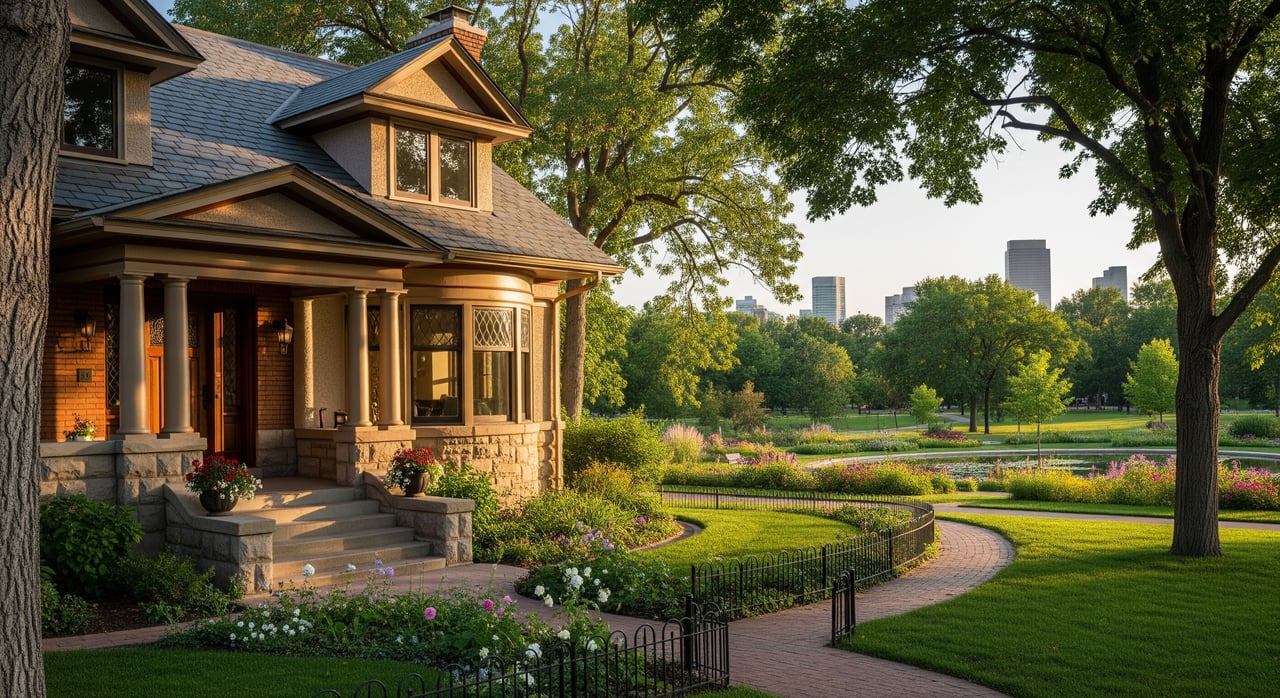
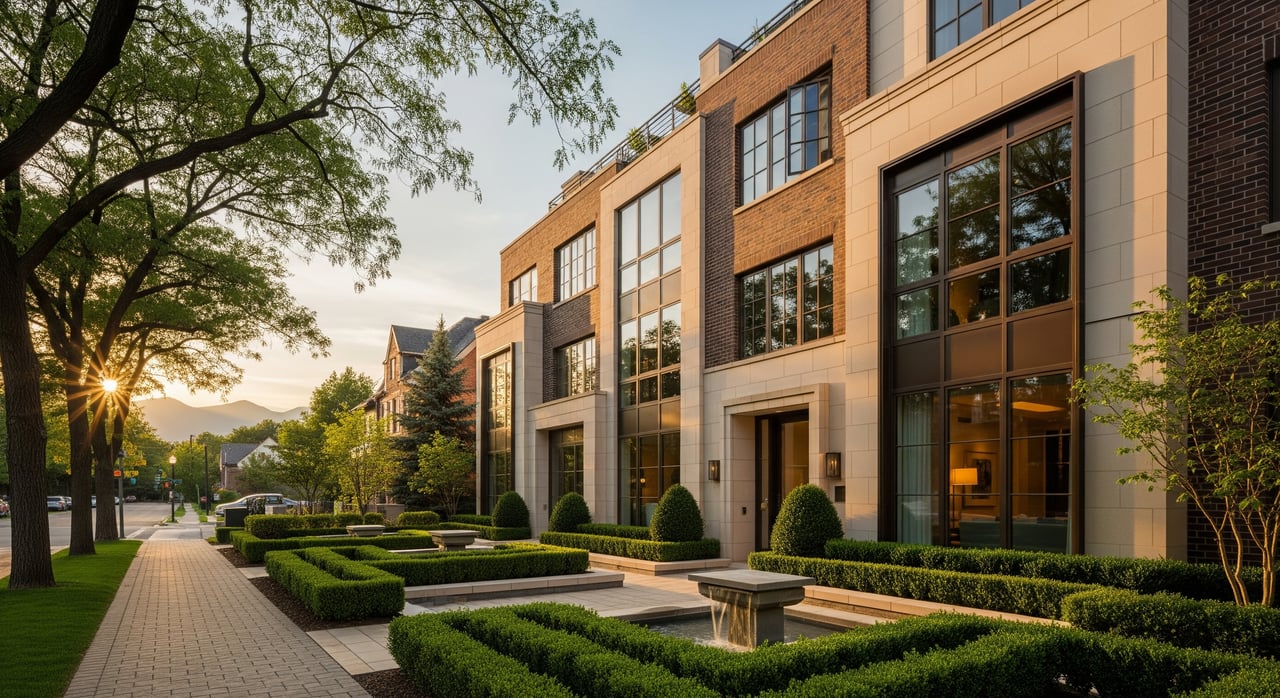
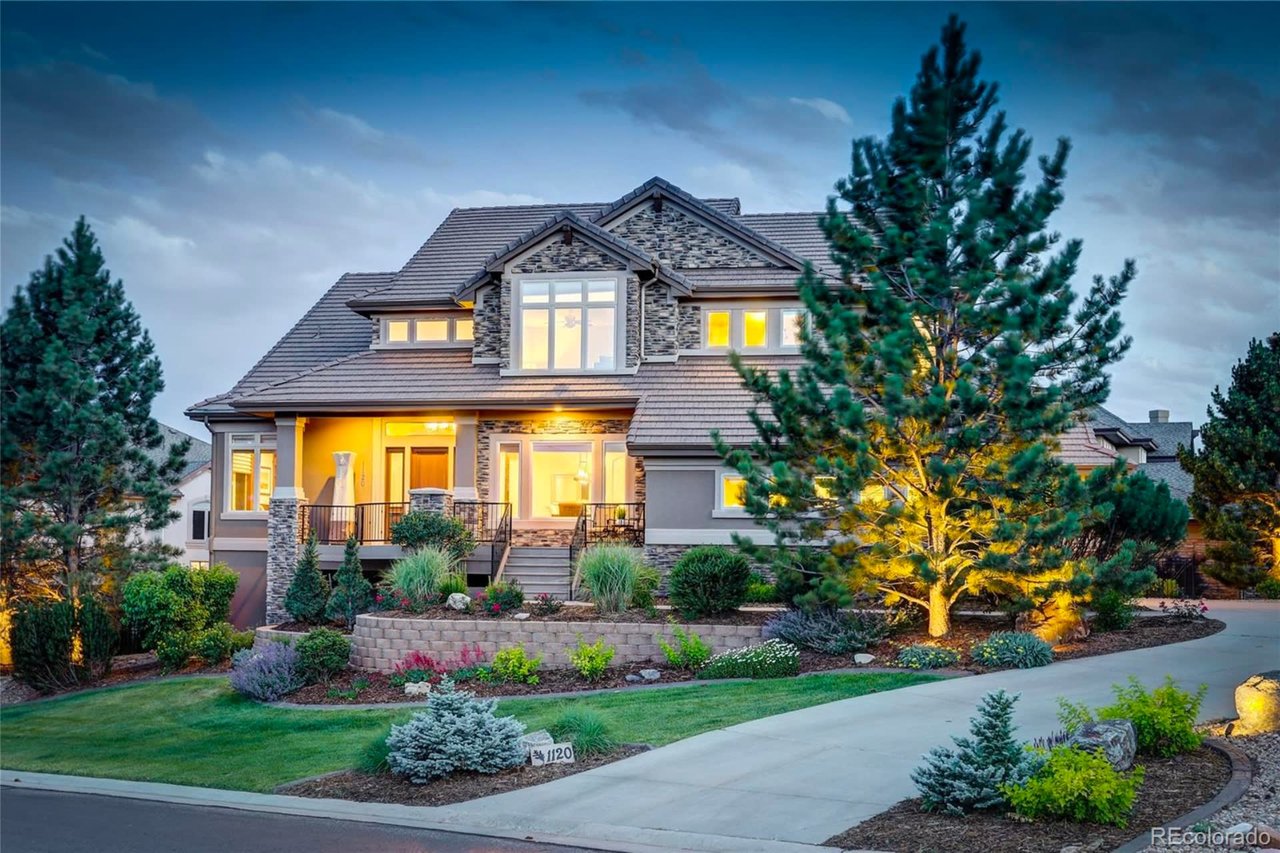
Lone Tree offers a newer, master-planned feel with a broad product mix. In RidgeGate and nearby areas, you will find townhomes and condos near stations, single-family homes on a range of lot sizes, patio home options, and some estate sections. The community emphasizes walkable access to transit and mixed-use retail nodes, described on the RidgeGate site.
HOAs are common in Lone Tree’s newer communities. Monthly dues typically fund shared open space, trail systems, exterior maintenance in attached products, and neighborhood amenities. Compare what each HOA includes and how fees align with the services you value.
Reading the market across both cities
Recent market snapshots show a clear tiering. Greenwood Village tends to price higher overall, reflecting larger lots, custom builds, and proximity to DTC. Lone Tree usually sits a notch below on typical price, with strong value in newer, transit-served communities. Market conditions change month to month, so use a fresh MLS snapshot when you are ready to write an offer.
Lifestyle and day-to-day amenities
Greenwood Village: close-in culture and parks
If you like being minutes from the office and evening entertainment, Greenwood Village delivers. You are close to large employers, fitness clubs, and cultural anchors like Fiddler’s Green Amphitheatre. The Museum of Outdoor Arts and Marjorie Park provide public art, and Cherry Creek State Park sits just to the north for trails, water, and wide-open space. Many Greenwood Village neighborhoods feel tucked away despite being next to the DTC core.
Lone Tree: retail, restaurants, and rail
In Lone Tree, you get a tight link between shopping, dining, and transit. Park Meadows is a regional retail anchor with a deep roster of stores and restaurants, so errands and date nights are easy. Explore the center at Park Meadows. RidgeGate’s mixed-use plan creates short hops between home, station, and services, and Sky Ridge Medical Center anchors important health access in the community.
Quick compare for DTC commuters
- Greenwood Village: Shortest potential drive to many DTC offices, established neighborhoods with larger lots, Cherry Creek Schools, and quick access to concerts and parks. Expect higher price points and limited single-family inventory at times.
- Lone Tree: Newer housing mix with more townhomes and condos near stations, transit-forward design in RidgeGate, Park Meadows retail, and generally longer but still manageable commutes to the DTC. Expect more mandatory HOAs with defined services and amenities.
Which one fits your routine
Choose Greenwood Village if you want:
- The shortest, most predictable DTC commute by car.
- Larger lots and established single-family neighborhoods.
- Cherry Creek Schools and quick access to cultural venues.
Choose Lone Tree if you want:
- Newer homes and a variety of townhome and condo options.
- The ability to walk or quickly connect to light rail and FlexRide.
- A strong retail and restaurant hub with a planned community feel.
If you are considering a third option, certain Centennial pockets offer a balance of price and access. Commute times and school assignment vary widely by neighborhood, so evaluate each address on its own merits.
How to shop smart for a DTC lifestyle
- Map your commute options. Test your real routes at real times and compare rail plus park-and-ride against driving only.
- Verify school assignments by address with the district. Program offerings vary by campus and can influence fit.
- Weigh HOA tradeoffs. In attached or master-planned communities, decide if included services align with your lifestyle.
- Filter by lot and privacy. If a larger yard matters, prioritize Greenwood Village and certain Lone Tree enclaves.
- Keep a live market snapshot. Conditions shift quickly, so review recent neighborhood comps before you tour.
Ready for next steps
If you are splitting time between Greenwood Village and Lone Tree, you do not have to decide from your laptop. I will tailor a side-by-side tour that mirrors your routine, confirm school boundaries, review HOA budgets, and build a pricing picture so you can move forward with clarity. For sellers, I combine boutique, concierge-level preparation with Compass programs to elevate presentation and protect privacy. When you are ready, connect with Sherry Beindorff to get a clear plan.
FAQs
How do Greenwood Village and Lone Tree commute times compare for DTC jobs?
- Greenwood Village residents show a shorter mean travel time citywide, while Lone Tree averages are a bit longer. Expect Greenwood Village to feel 0 to 15 minutes to many DTC offices and Lone Tree around 10 to 20 minutes in typical peak traffic, depending on the exact addresses.
Is light rail convenient from both areas into the DTC?
- Yes. The Southeast Corridor runs through the DTC with stations near Greenwood Village and multiple stations in Lone Tree. Check details for Arapahoe at Village Center Station and local FlexRide options in Lone Tree.
Which school districts serve Greenwood Village and Lone Tree?
- Much of Greenwood Village is served by Cherry Creek School District, and Lone Tree is primarily in Douglas County School District. Review programs and confirm address-specific assignments with Cherry Creek Schools and DCSD.
How do HOA norms differ between the two cities?
- Greenwood Village single-family neighborhoods often have low or no mandatory HOA, while DTC-adjacent condos may have monthly dues. Lone Tree’s newer, master-planned areas commonly include mandatory HOAs with services like exterior care for attached homes, trail maintenance, and shared amenities.
What lifestyle differences should I expect day to day?
- Greenwood Village offers ultra-close DTC access, cultural venues like Fiddler’s Green Amphitheatre, and quick access to major parks. Lone Tree emphasizes walkable access to rail, newer neighborhoods, and retail at Park Meadows.