Thinking about trading central Denver energy for more space in Castle Pines? That move can feel exciting and a little hard to picture at the same time, especially when you are trying to imagine your weekdays, commute, errands, and weekends in a new rhythm. This guide will help you understand the daily life shifts that often come with relocating from Denver to Castle Pines, so you can decide if the lifestyle fits what you want next. Let’s dive in.
How Castle Pines Feels Different
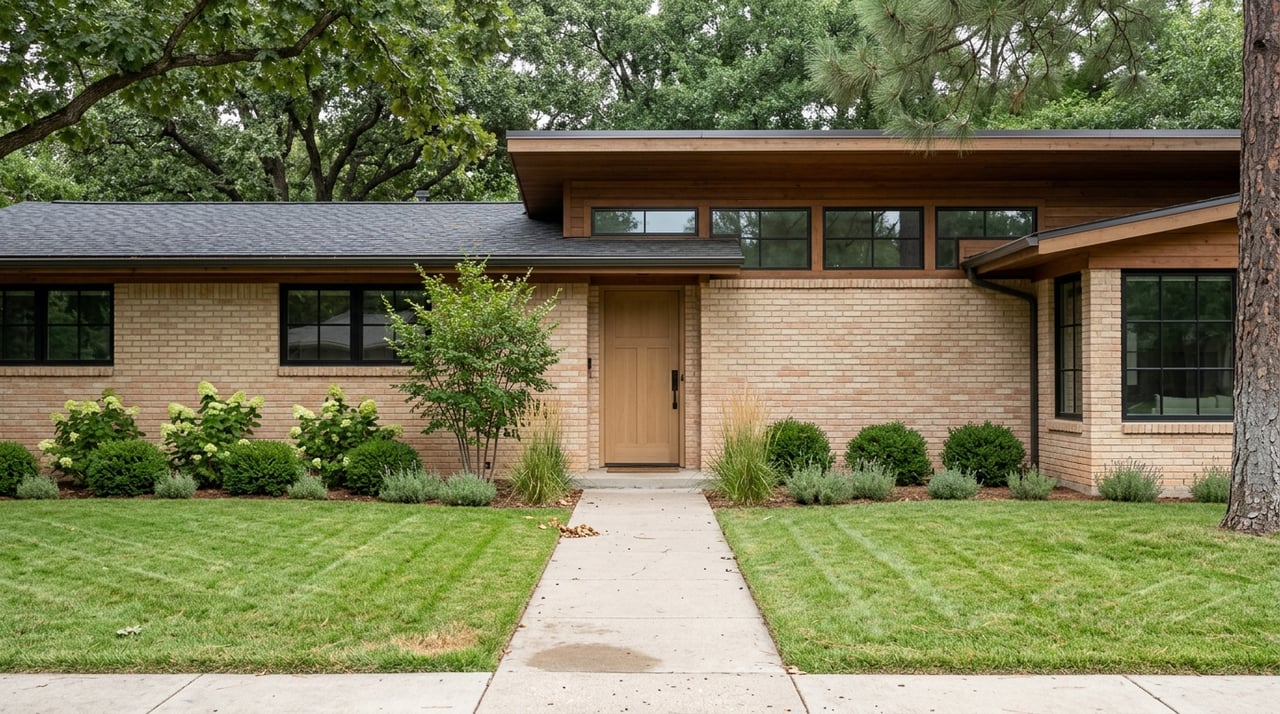
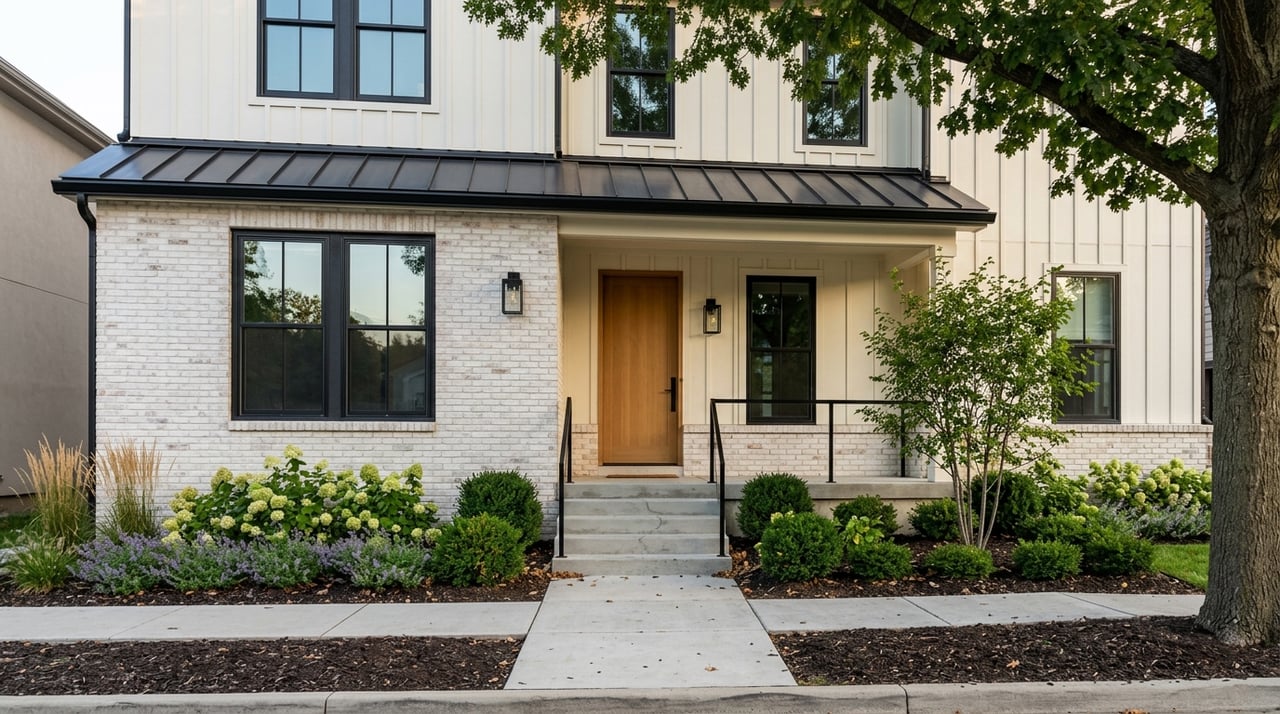
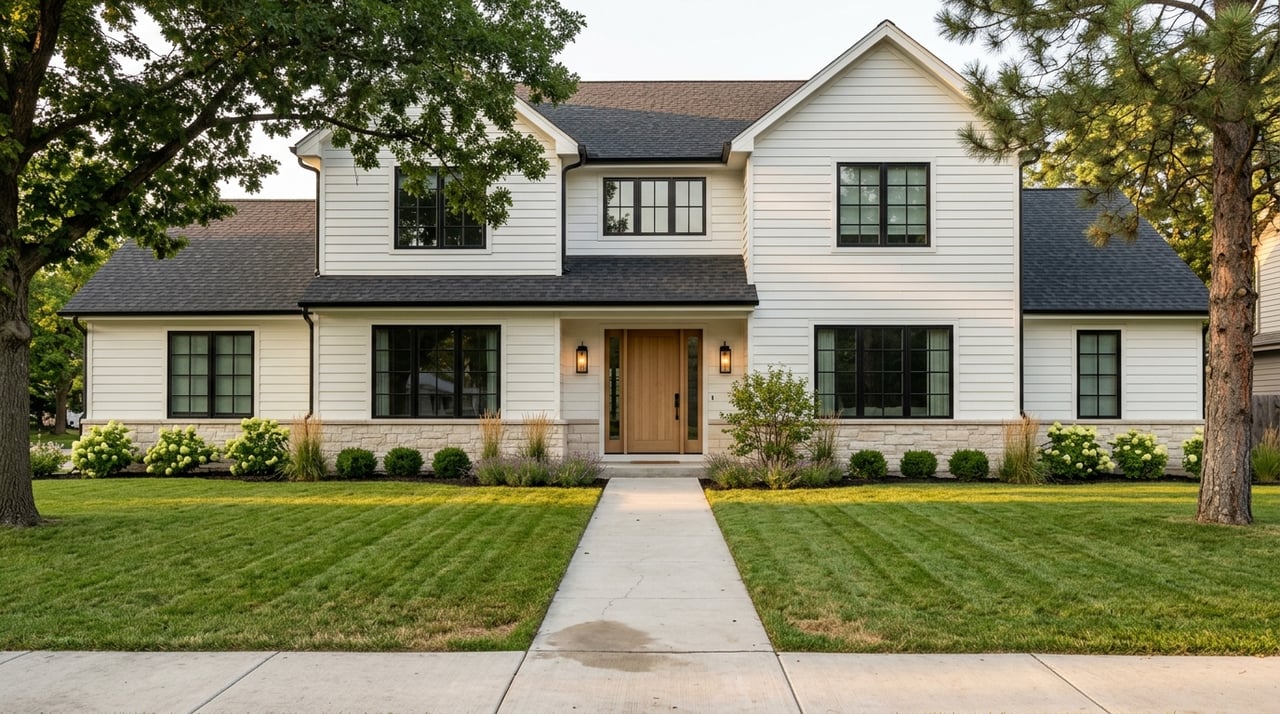
If you are coming from central Denver, one of the first things you may notice is that Castle Pines feels more residential and ownership-oriented. The city has about 16,000 residents, an owner-occupied housing rate of 80.7%, and a median owner-occupied home value of $895,500.
By comparison, Denver has a 48.8% owner-occupied rate and a median owner-occupied home value of $616,000. In practical terms, that often means you are moving from a more mixed urban housing environment into a higher-cost market centered more heavily on single-family living, privacy, and long-term homeownership.
Your Commute Becomes More Car-Centered
One of the biggest daily shifts is transportation. Castle Pines sits along I-25, and the city’s three-mile plan states there is no transit service within the city or Sub-Area 1.
That means most routines are built around driving. If you work in the Denver Tech Center or need regular regional access, Castle Pines can still be very workable, but your schedule will likely become more traffic-aware than it was in central Denver.
What that means day to day
CDOT lists a Castle Pines Park-n-Ride off I-25 at Castle Pines Parkway, Exit 188, which can help if you want a regional connection point. Still, the overall pattern is freeway-first and car-first.
Castle Pines Village describes the area as about 15 minutes from the Denver Technology Center and about 40 minutes from Denver International Airport. Those times can be attractive for many professionals, but they are also sensitive to rush-hour traffic, so leaving at the right time matters.
You may plan your week differently
In Denver, you may be used to more flexible trips for coffee, dinner, or errands. In Castle Pines, many people become more intentional about when they head out, how many stops they combine, and whether traffic will affect the trip.
That does not mean the location feels isolated. It means your routine tends to reward planning, especially on workdays.
Errands Take More Planning
Another major change is how you shop and dine. Castle Pines has access to strong nearby retail destinations, including Park Meadows Retail Resort about 10 miles north and The Outlets at Castle Rock, Colorado’s largest open-air outlet center.
At the same time, the city’s own economic development messaging and community feedback show that many residents want more restaurants, retail, and services closer to home. In the 2025 Community Survey, 73% of respondents rated retail shopping opportunities as very or somewhat important, and many comments asked for a walkable town center, better restaurant options, and grocers.
Expect a less spontaneous errand routine
If you are used to stepping out in Denver for quick meals, shopping, or last-minute pickups, Castle Pines may feel different. Many residents shop and dine in nearby cities, so errands are often grouped into larger trips.
That can be an adjustment at first. Over time, many buyers find they are making a trade they are happy with: fewer close-in urban conveniences in exchange for more space, quieter surroundings, and easier access to trails and open land.
Homes Often Offer More Space and Privacy
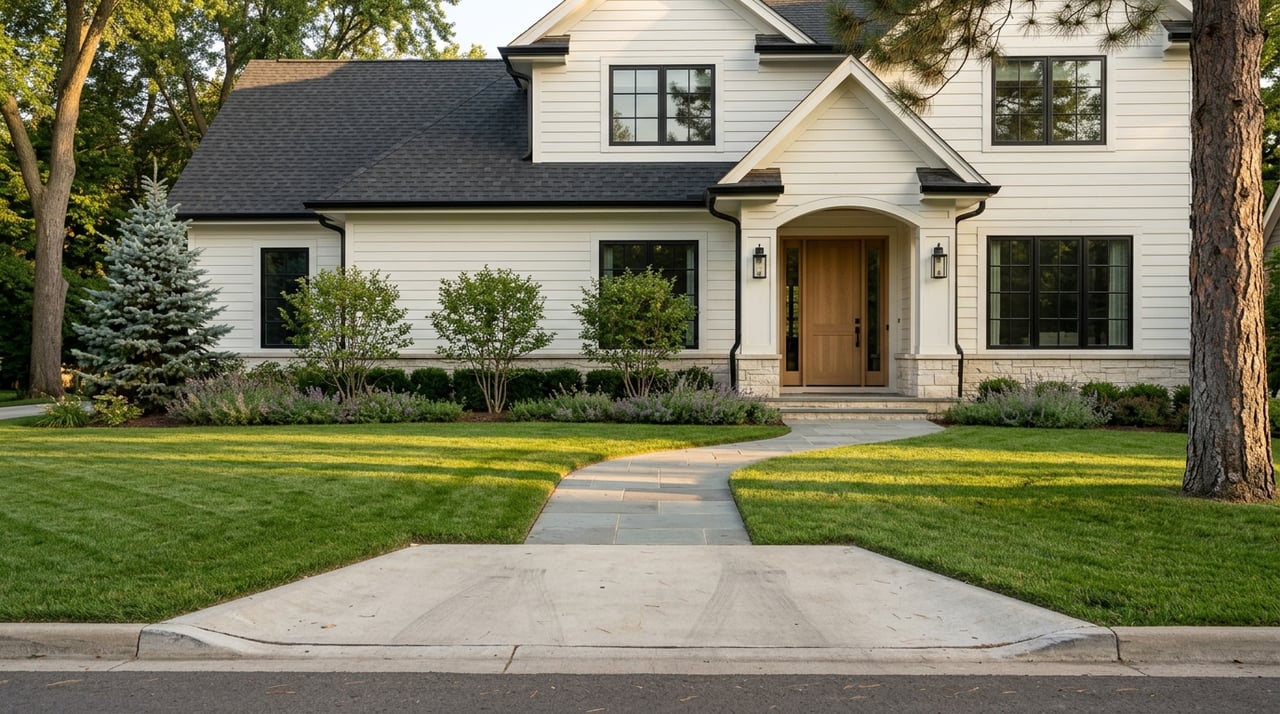
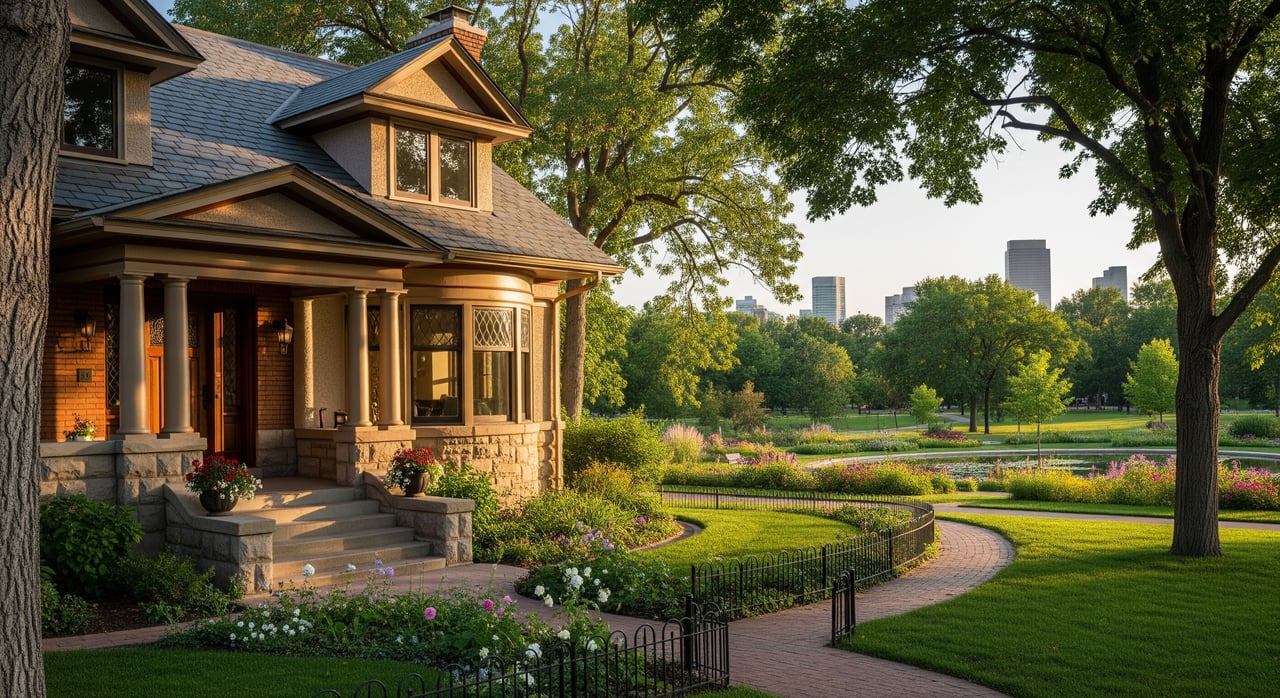
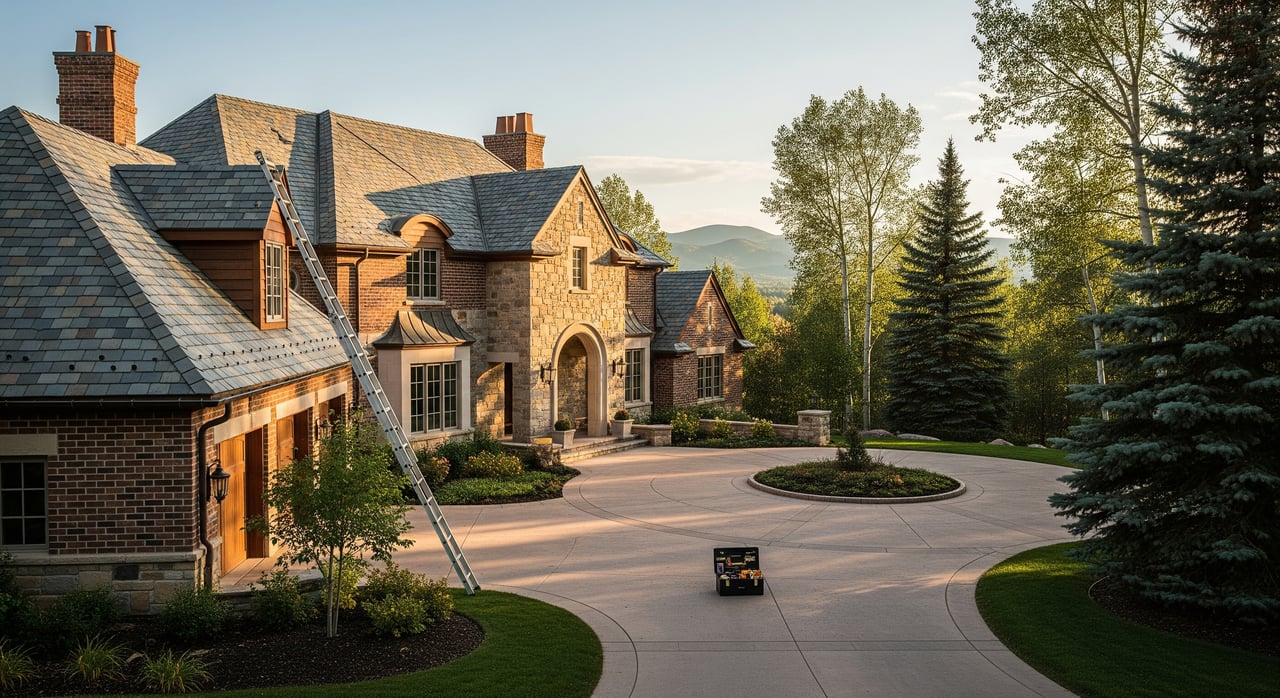
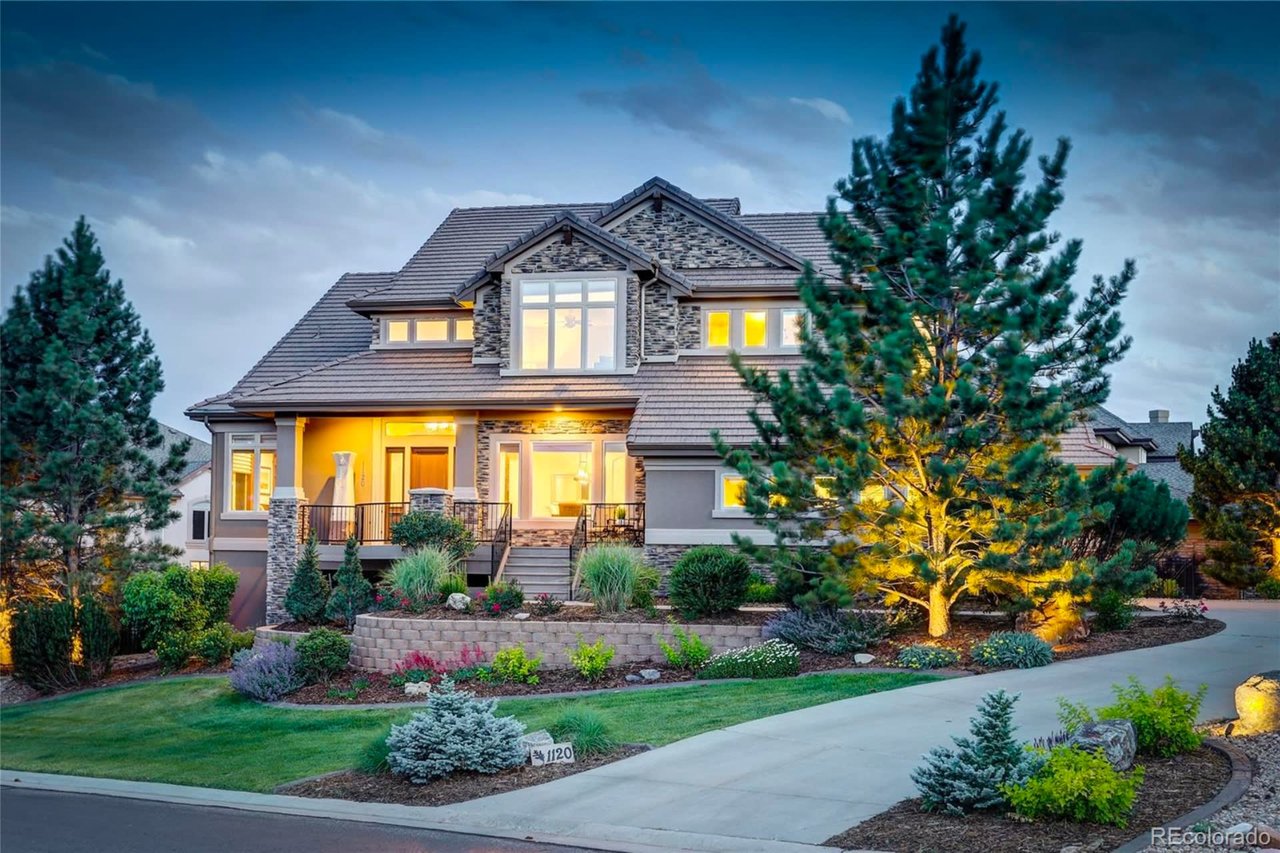
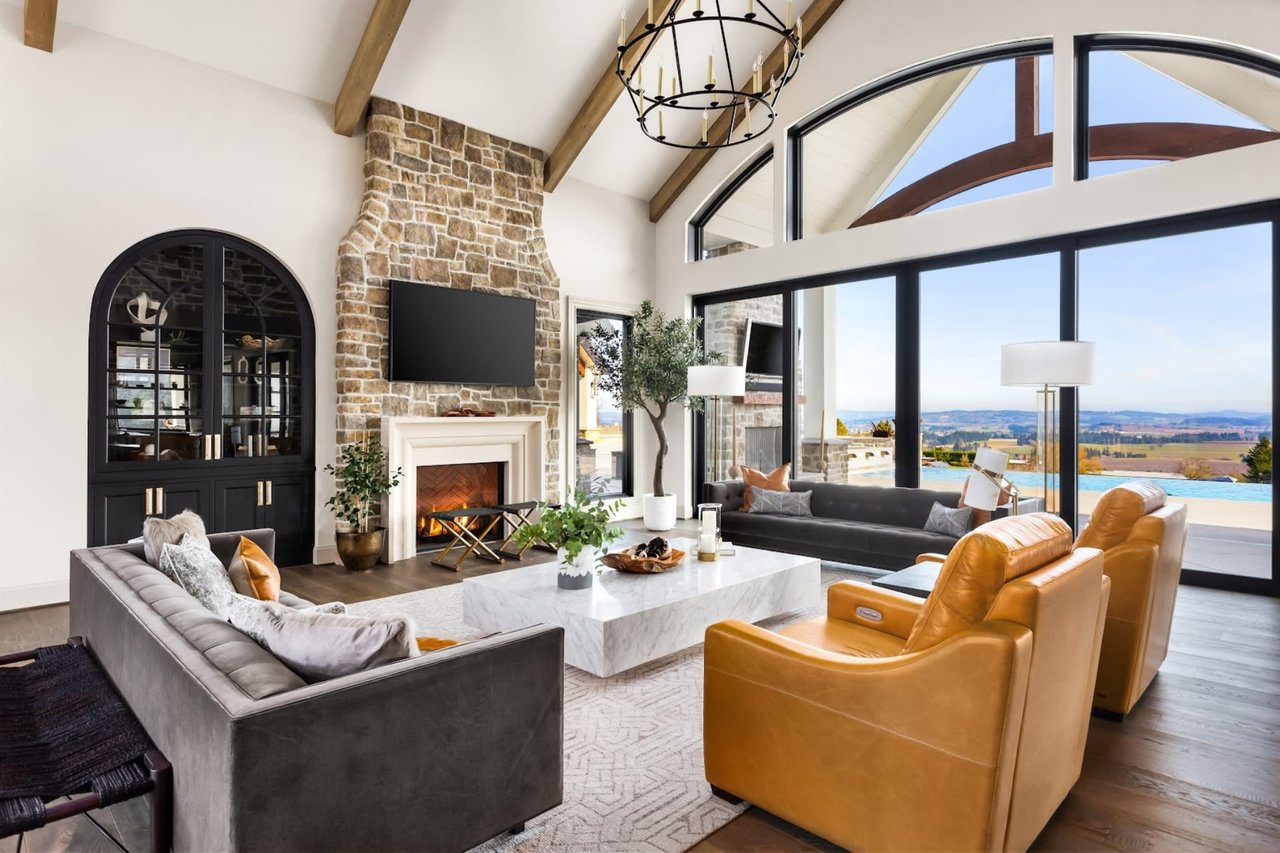
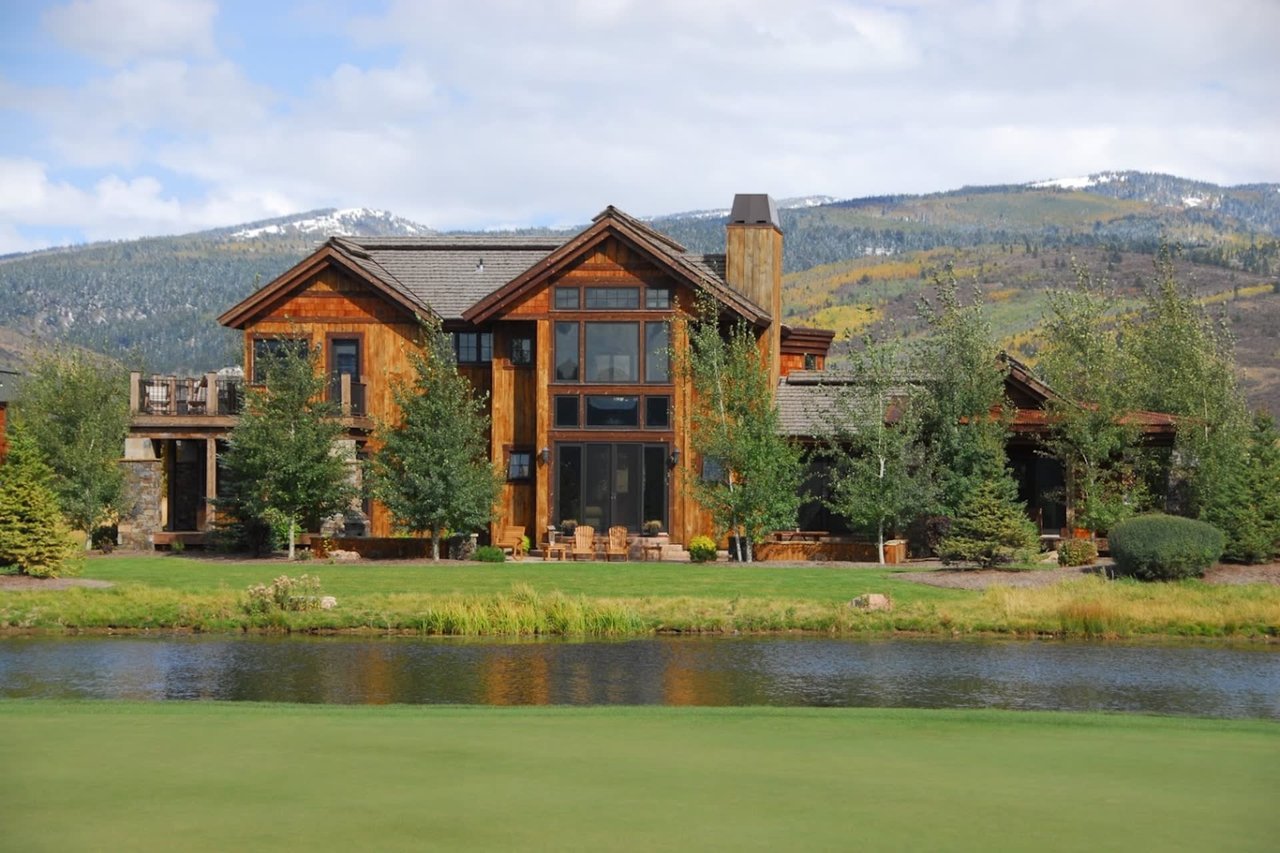
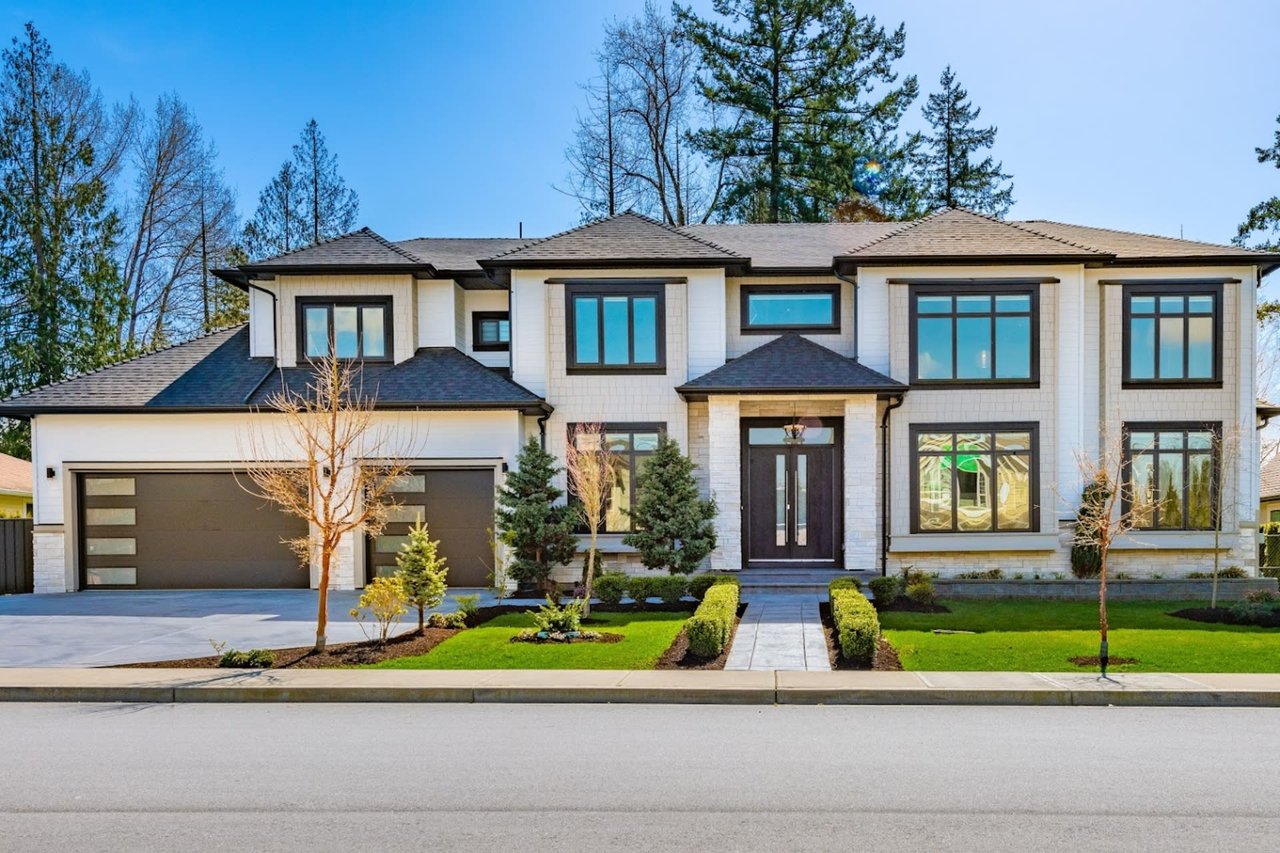
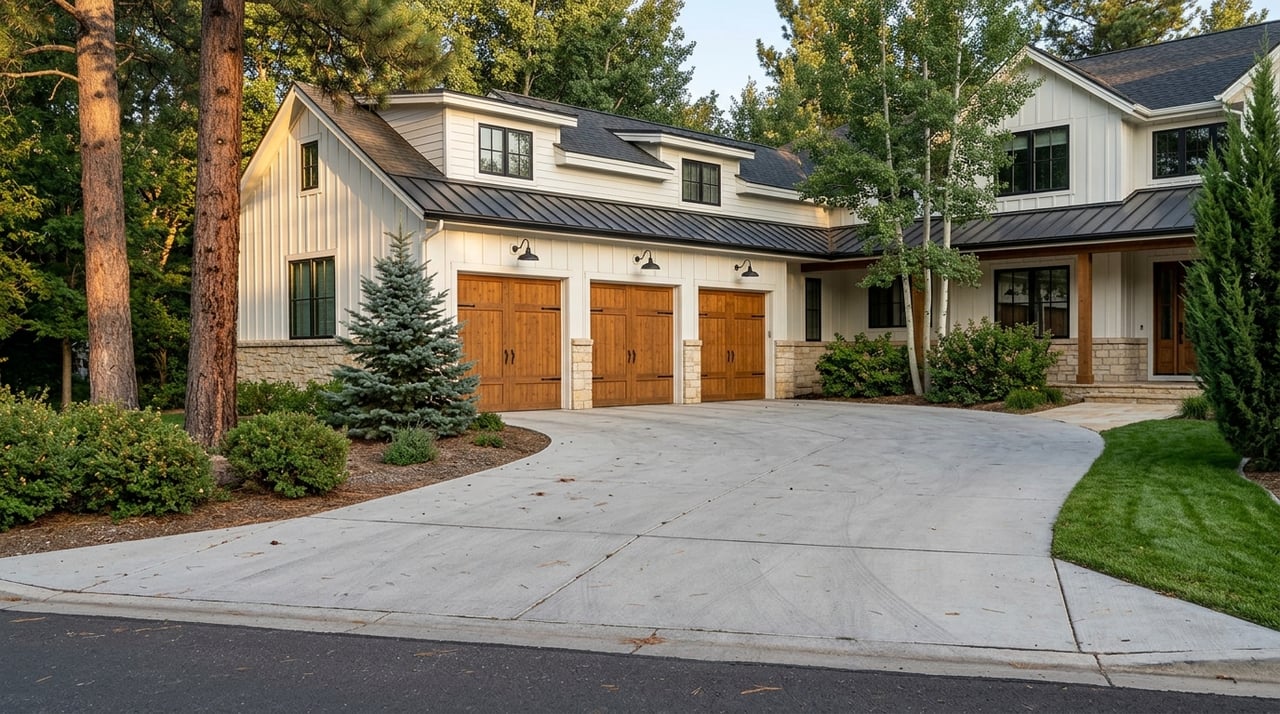
For many Denver buyers, the home itself is the reason this move starts to make sense. Castle Pines is known for larger residential settings, more separation between homes, and a more estate-oriented feel in certain areas.
The city’s 2026 Three-Mile Plan describes areas west of I-25 as largely Rural Residential and Estate Residential. Those land use patterns are intended to preserve vegetation, wildlife corridors, views, and privacy.
Lot size and setting can feel like a real reset
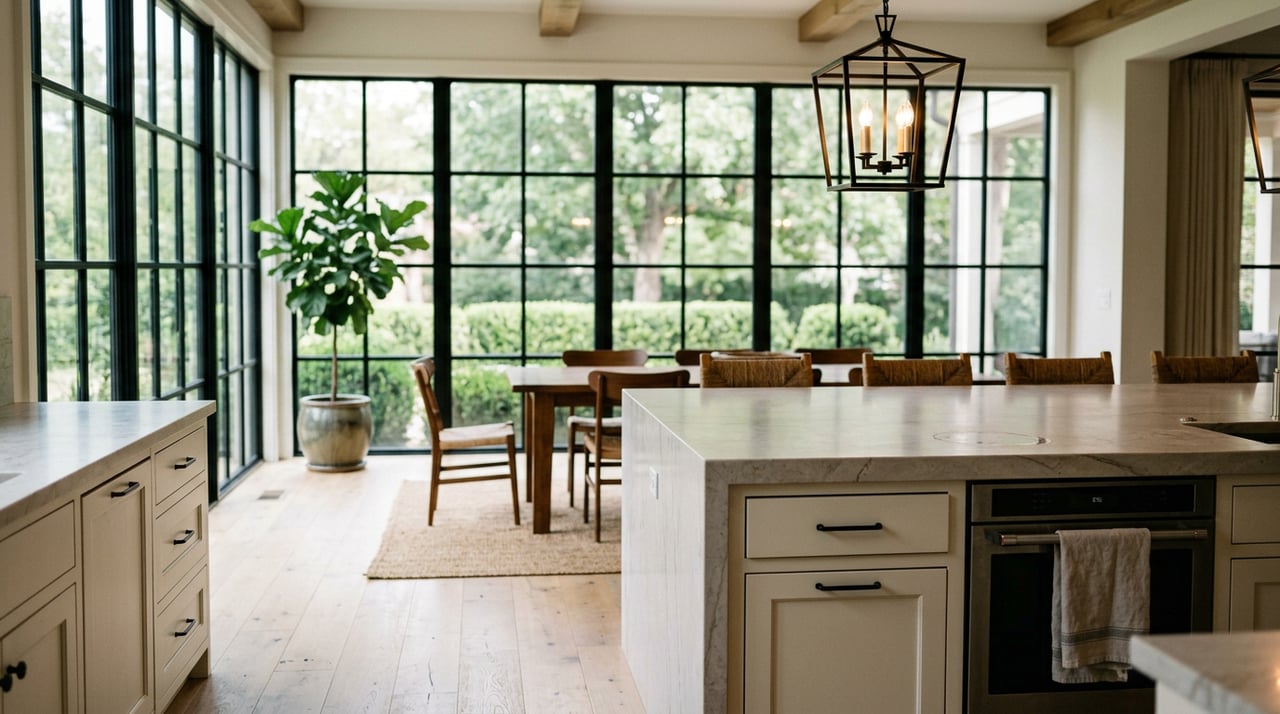
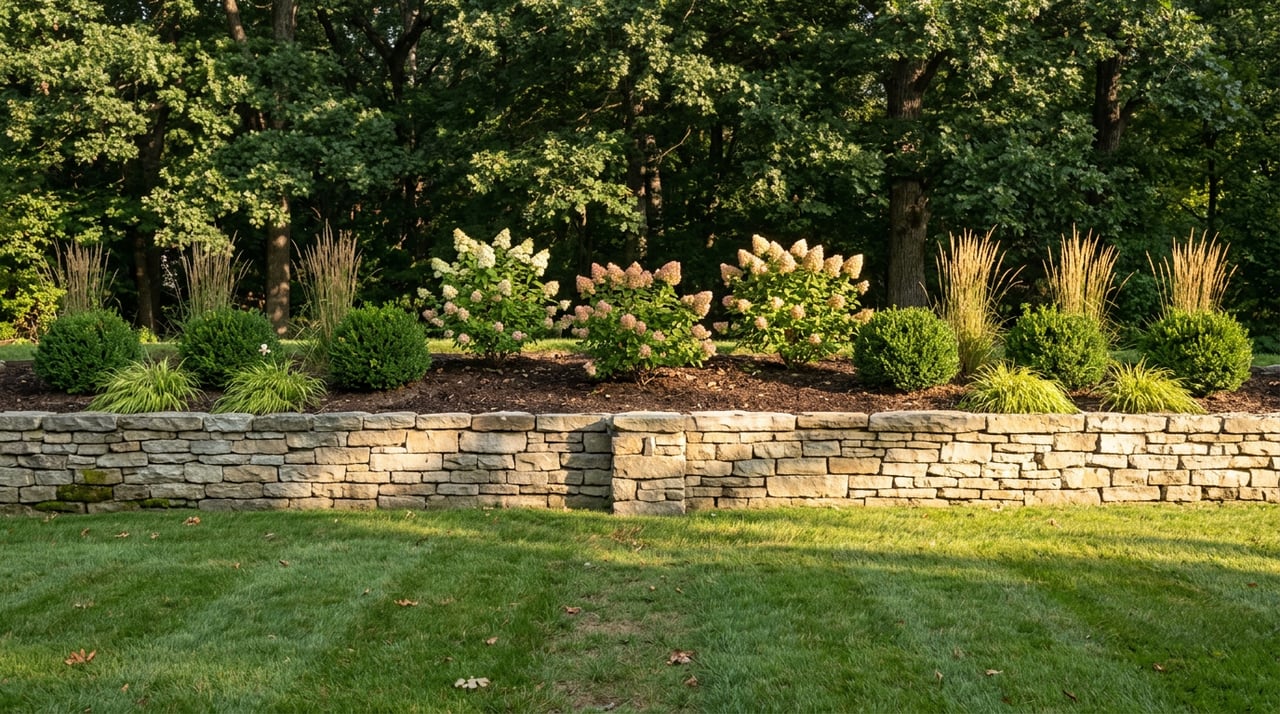
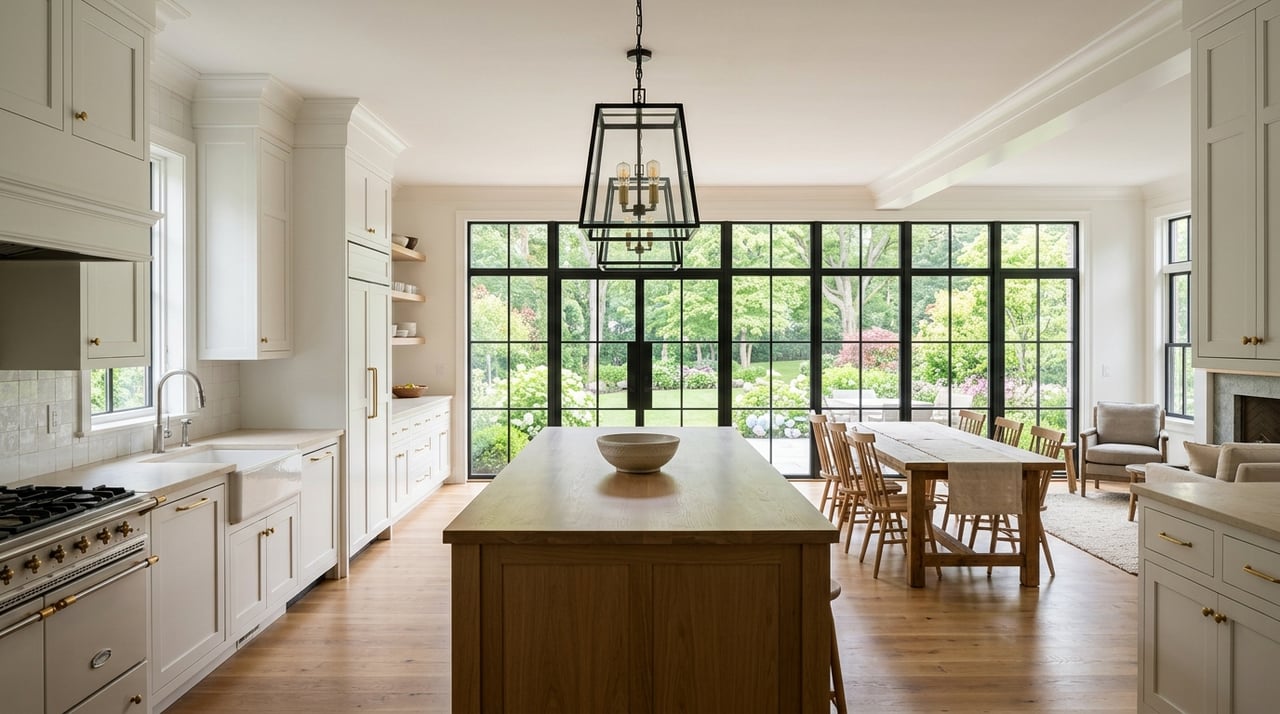
If your current Denver home comes with a smaller lot, alley access, or close neighboring homes, Castle Pines may feel like a meaningful lifestyle upgrade. In some parts of the market, the shift is not just about square footage inside the house. It is also about the land, the setback, and the overall sense of breathing room.
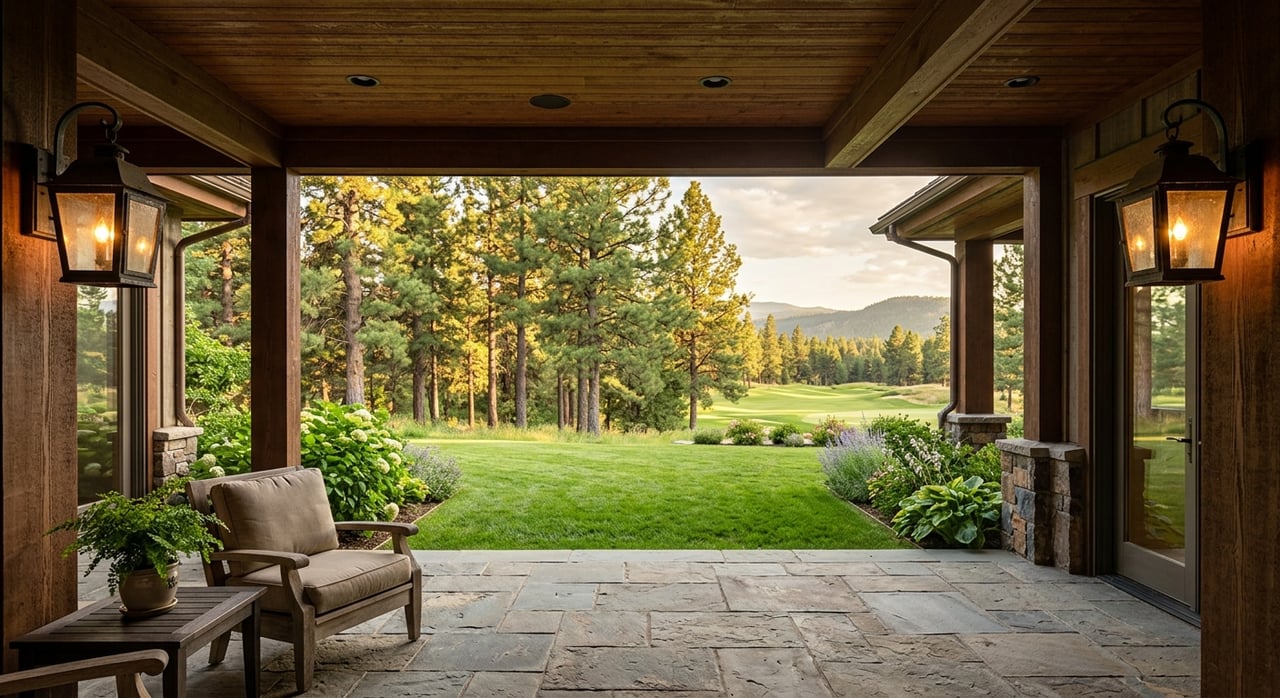
Castle Pines Village, for example, describes spacious lots and current estate-site examples around 0.61 to 0.63 acre. That kind of setting can support different home styles, including two-story, ranch, and walk-out ranch designs.
Community structure may increase
More space often comes with more neighborhood structure. Depending on where you buy, you may encounter gated access, HOA systems, snow removal on common streets, and club or amenity frameworks that are much more defined than what you experienced in central Denver.
For some buyers, that feels seamless and supportive. For others, it is important to understand the expectations and daily implications before making the move.
Outdoor Living Becomes Part of Your Routine
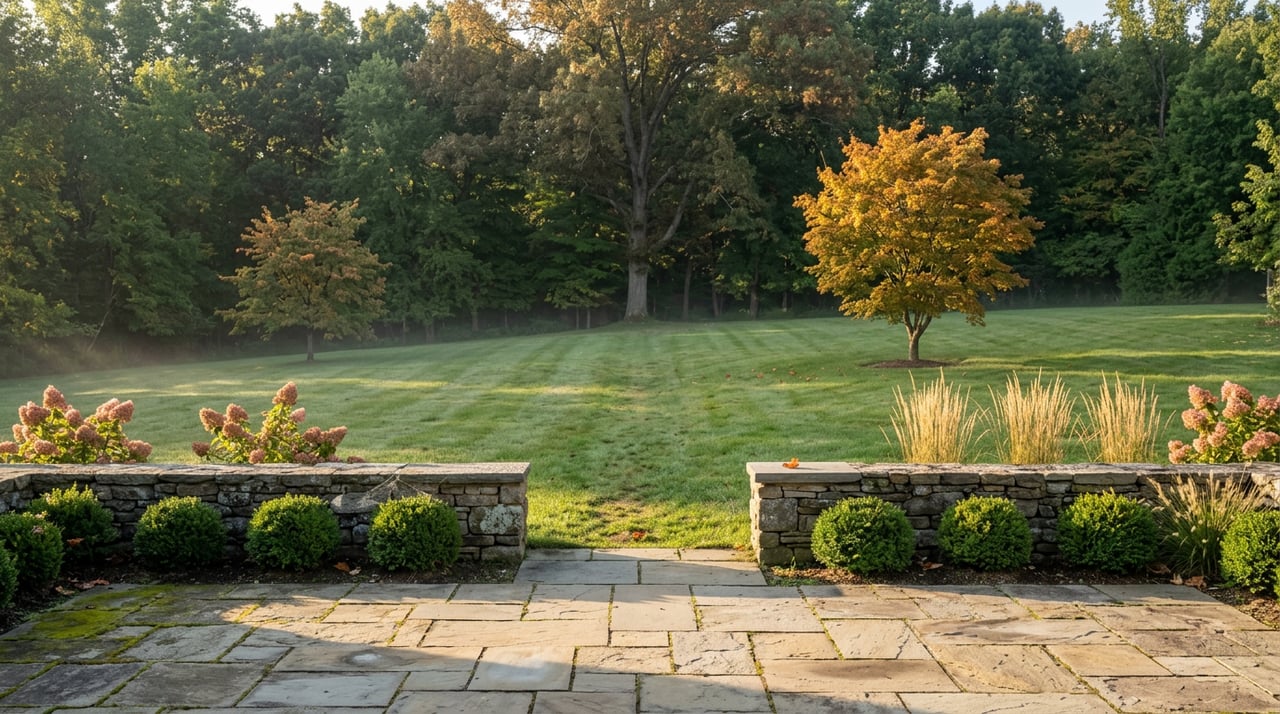
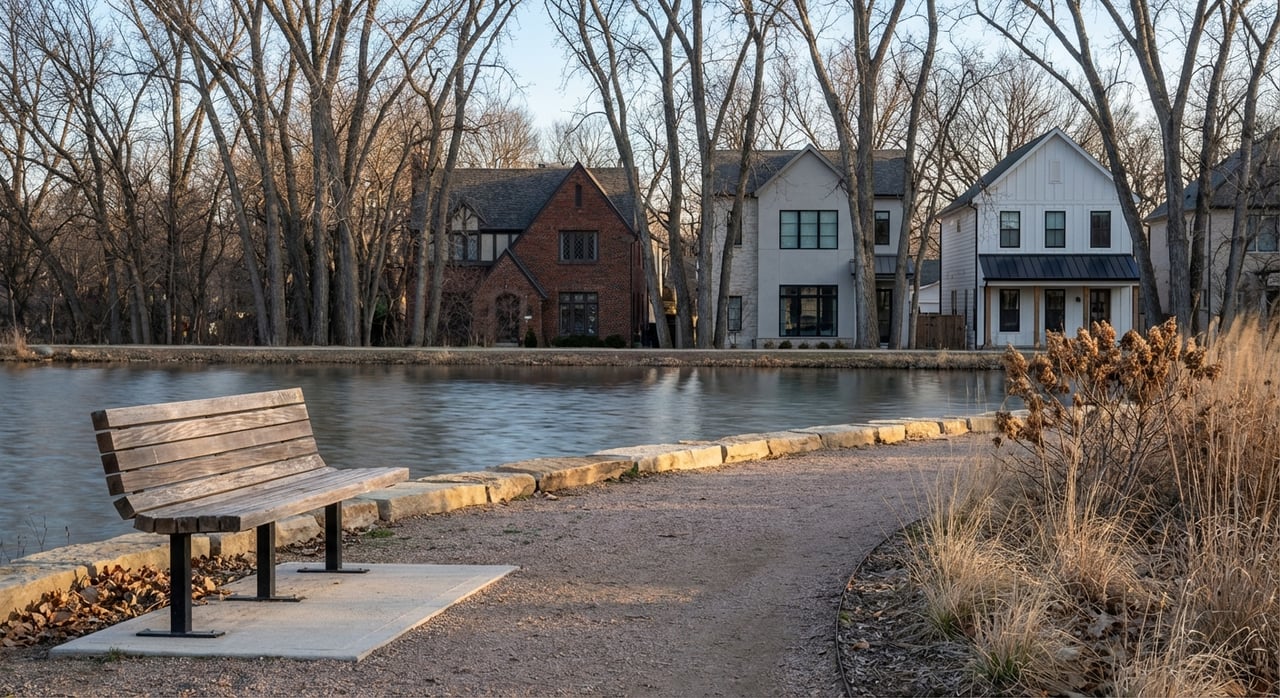
Castle Pines has a strong recreation identity, and that can shape your daily life in a very positive way. The city manages nearly 60 miles of trails, 122 acres of parks, and more than 1,850 acres of open space.
If you want easier access to outdoor time before work, after dinner, or on weekends, this is one of the clearest lifestyle advantages over a more urban Denver routine. Nature is not just nearby. It is built into how many residents use the area.
Trails and parks are woven into local life
Pronghorn Park includes an 18-hole disc golf course, walking and biking trails, and views toward Castle Pines and Rueter-Hess Reservoir. That gives you options for casual movement, family time, and low-key recreation close to home.
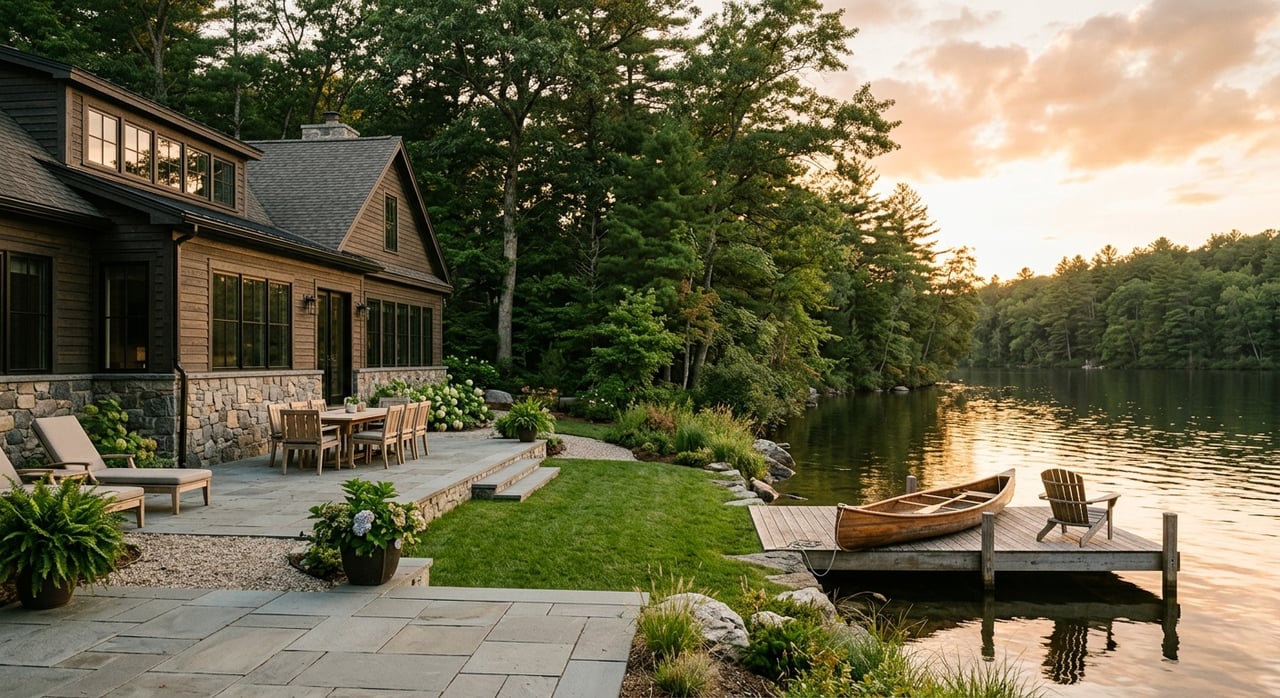
Rueter-Hess Reservoir adds hiking, biking, fishing, kayaking, canoeing, and the Incline Challenge. Water-based recreation is managed through reservations, so some activities may require advance planning.
Golf and Club Amenities Matter Here
In Castle Pines, golf is more than an occasional activity. It is part of the area’s identity and, for some buyers, part of the reason they choose to live here.
The Ridge at Castle Pines North is known as one of Colorado’s most prestigious and upscale public golf courses. The Country Club at Castle Pines is a private Jack Nicklaus signature club within The Village.
Club-centered living can shape social routines
Castle Pines Village further emphasizes this amenity-rich lifestyle with nearly 12 miles of trails, two Jack Nicklaus-designed private golf courses, pools, tennis, fitness, and regularly scheduled social events. The community describes itself as a 3,000-acre gated master-planned community organized around golf, natural scenery, and private neighborhood amenities.
If that appeals to you, the move from Denver may feel like a strong lifestyle upgrade. If club access is not a priority, it still helps to understand how much local identity and buyer interest can be tied to these features.
The Tradeoff Is Convenience vs. Space
For most buyers, the move from central Denver to Castle Pines comes down to a clear tradeoff. You are often giving up some urban convenience in exchange for more privacy, larger home sites, stronger trail access, and a more residential pace.
That tradeoff is not better or worse on its own. It depends on what matters most to you in this stage of life.
Castle Pines may fit you well if you want:
- More home and yard space
- A quieter, more residential setting
- Easier access to trails, parks, and open space
- Golf or club-oriented amenities
- Proximity to the DTC with a suburban lifestyle
- A market with a stronger ownership focus
You may need to adjust if you rely on:
- Frequent walkable errands
- A wide range of nearby dining choices
- Short, spontaneous trips around the city
- Transit-based daily routines
- An urban mix of housing and activity close at hand
What Buyers Should Think Through First
Before you relocate, it helps to map the move against your real daily habits, not just your wish list. A beautiful house can solve one problem while creating another if the location does not support your work, school, recreation, or errand routine the way you need it to.
A few practical questions can help clarify the fit.
Key questions to ask yourself
- How often will you commute to the DTC, Denver, or the airport?
- Do you want more privacy and lot size enough to trade for fewer nearby conveniences?
- How important are trail access, parks, golf, or club amenities?
- Would a more structured neighborhood setting feel helpful or restrictive?
- Are you comfortable with a daily routine that depends more heavily on your car?
Why Guidance Matters in a Denver-to-Castle Pines Move
This is not just a move across town. It is often a lifestyle transition, and the right home depends on more than bedrooms, baths, and price point.
You want to understand the feel of the area, the rhythm of the commute, the practical errand pattern, and the differences between neighborhoods and amenity styles. That kind of local context can make your decision much clearer and your move much smoother.
If you are weighing a move from Denver to Castle Pines, working with a local advisor who understands both markets can help you compare tradeoffs with confidence. When you are ready for thoughtful guidance tailored to your next chapter, connect with Sherry Beindorff.
FAQs
What is the biggest daily life change when moving from Denver to Castle Pines?
- The biggest shift is usually moving from a more urban, convenience-based routine to a more car-centered lifestyle with more space, privacy, and residential surroundings.
How does commuting from Castle Pines to the Denver Tech Center work?
- Castle Pines is along I-25, and the area is often described as about 15 minutes from the Denver Technology Center, but timing can vary significantly with rush-hour traffic.
Are there public transit options within Castle Pines?
- The city’s three-mile plan says there is no transit service within Castle Pines or Sub-Area 1, so most daily transportation is car-based.
What is different about shopping and dining in Castle Pines compared with Denver?
- Many residents use nearby retail and dining areas outside the city, so errands and meals out often require more planning than they might in central Denver.
What kind of outdoor recreation does Castle Pines offer?
- Castle Pines offers nearly 60 miles of trails, 122 acres of parks, more than 1,850 acres of open space, plus access to activities like hiking, biking, fishing, kayaking, canoeing, and disc golf.
What types of homes are common in Castle Pines?
- Buyers often find a more residential and ownership-oriented market with larger lots, more privacy, and, in some areas, estate-style settings and amenity-driven communities.
Is Castle Pines a good fit for Denver buyers who want more space?
- For many buyers, yes. Castle Pines often appeals to people who want a larger home environment, more privacy, and outdoor access, while still staying connected to the south Denver and DTC corridor.