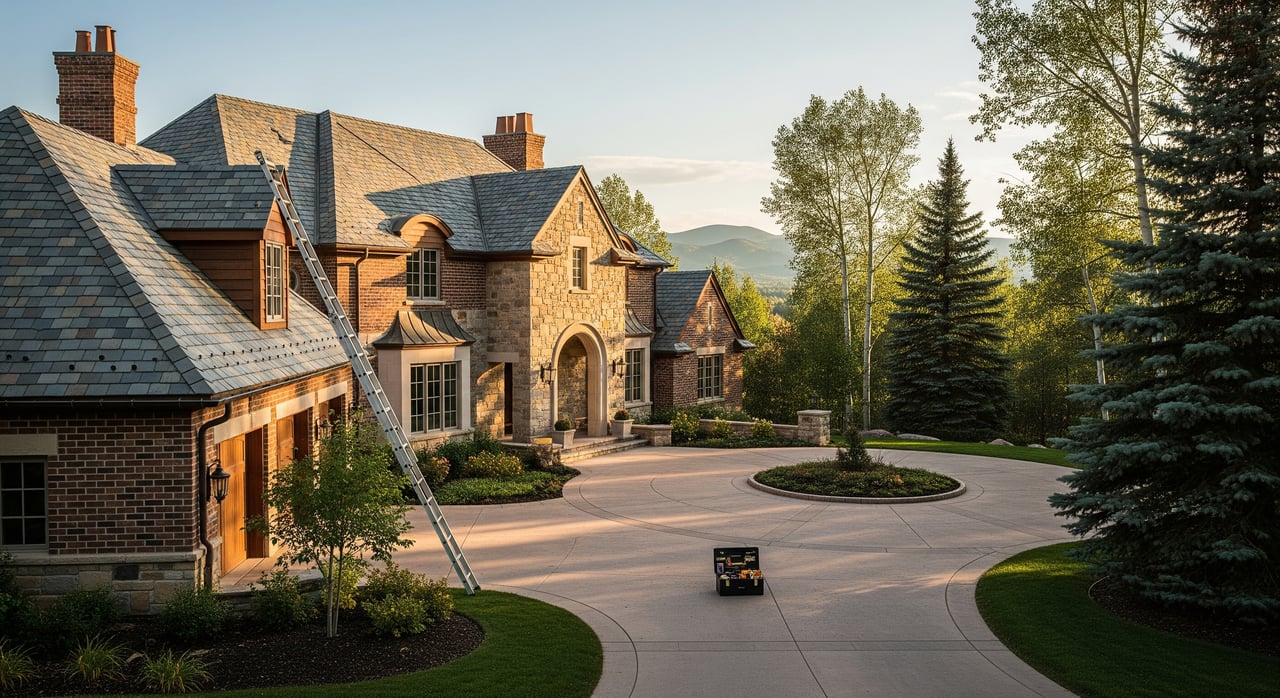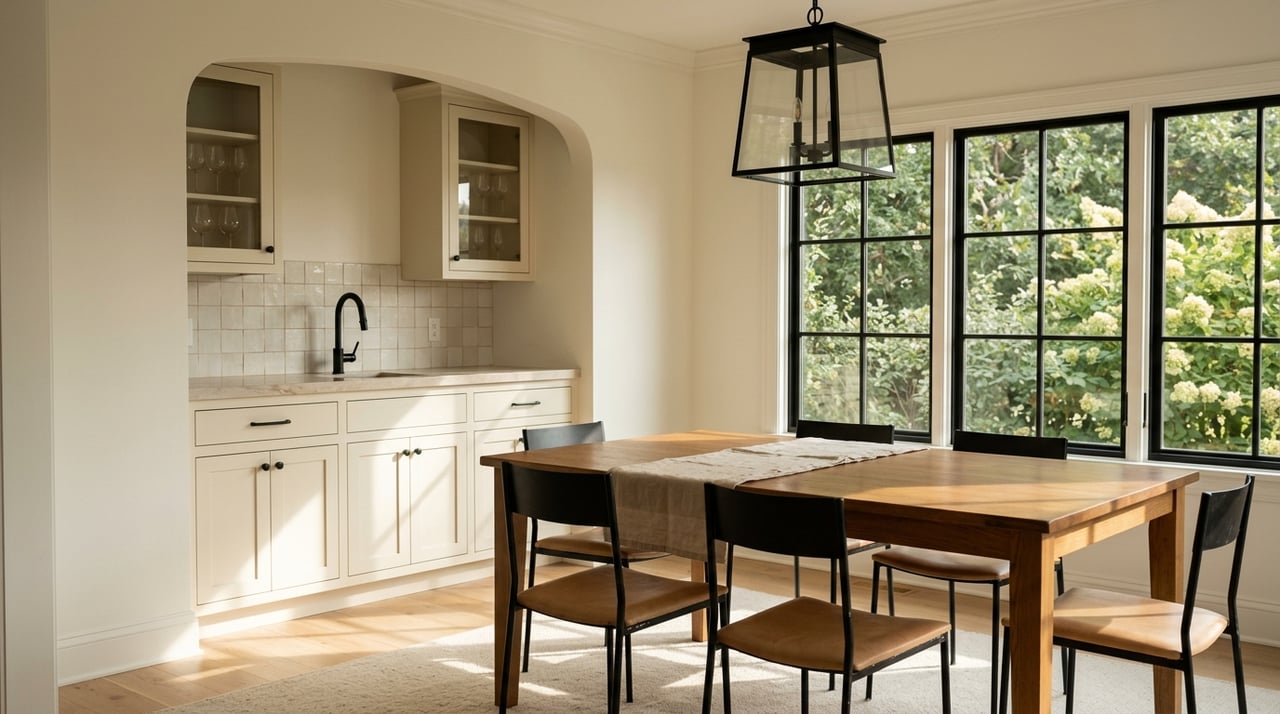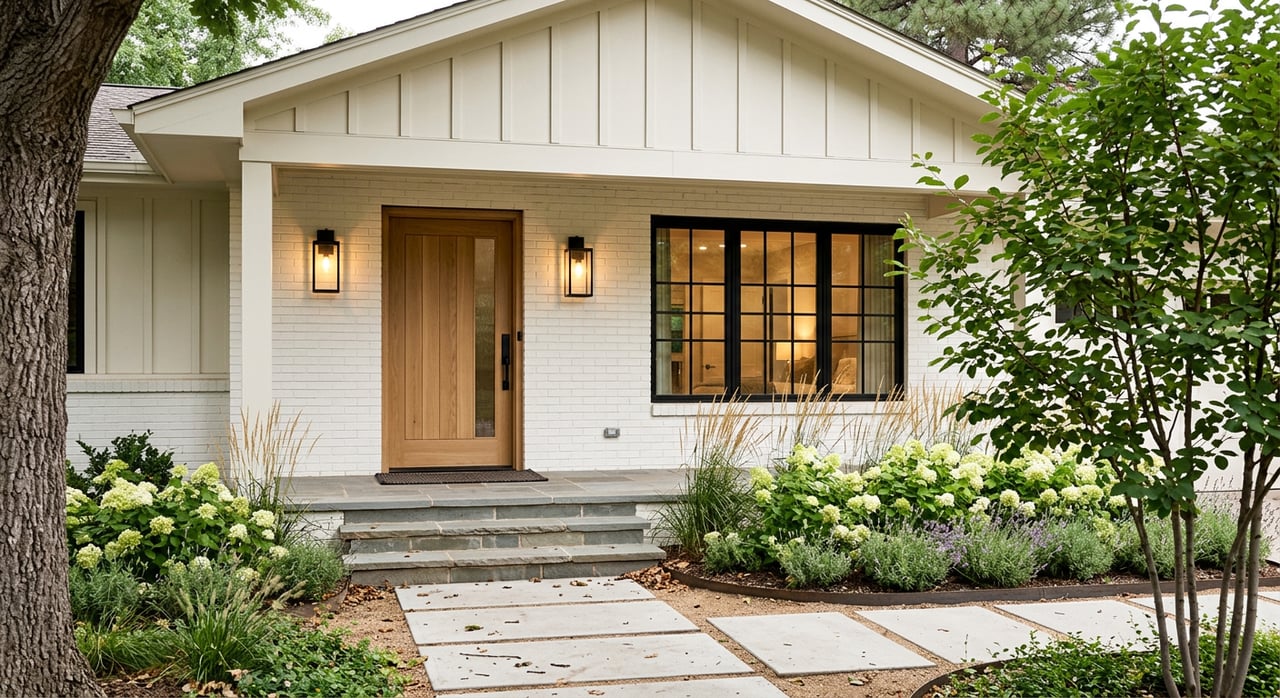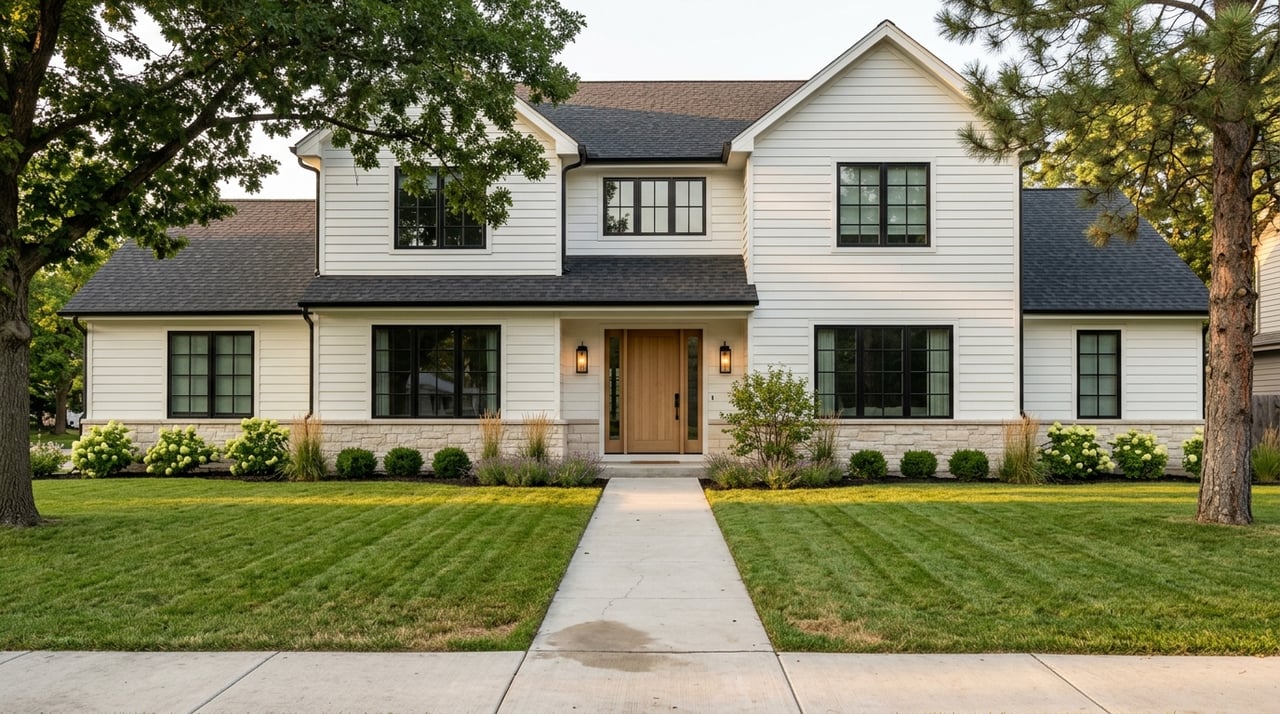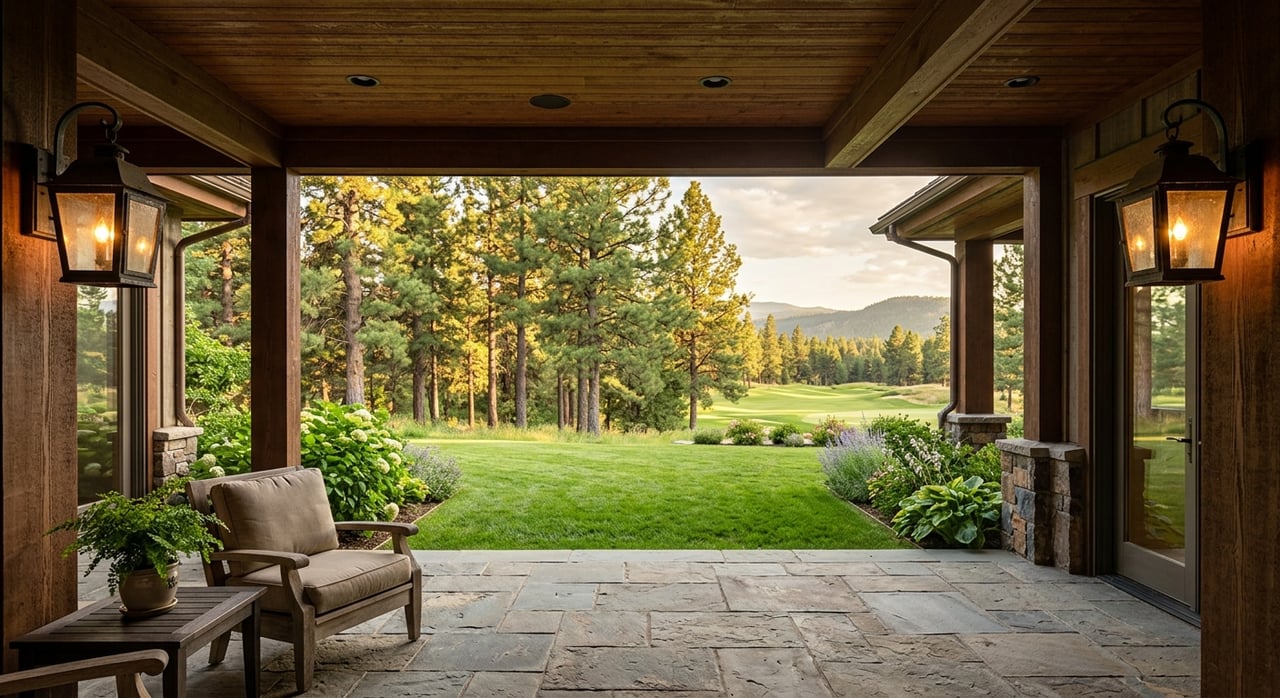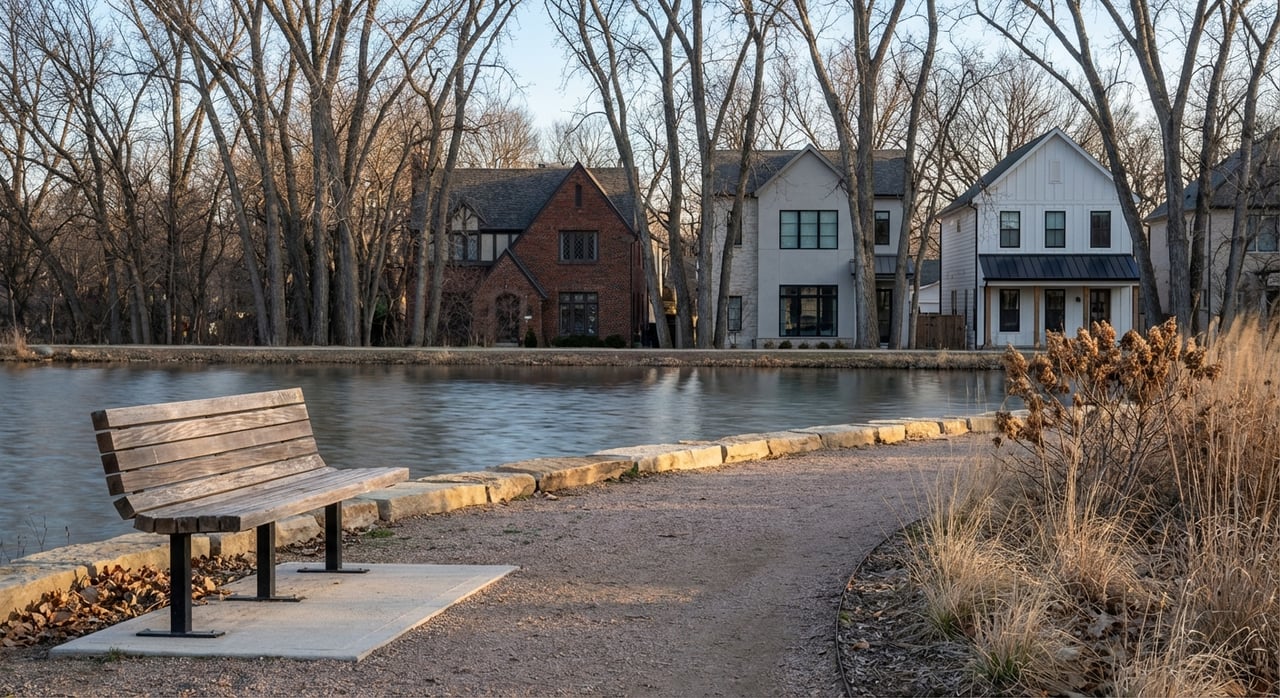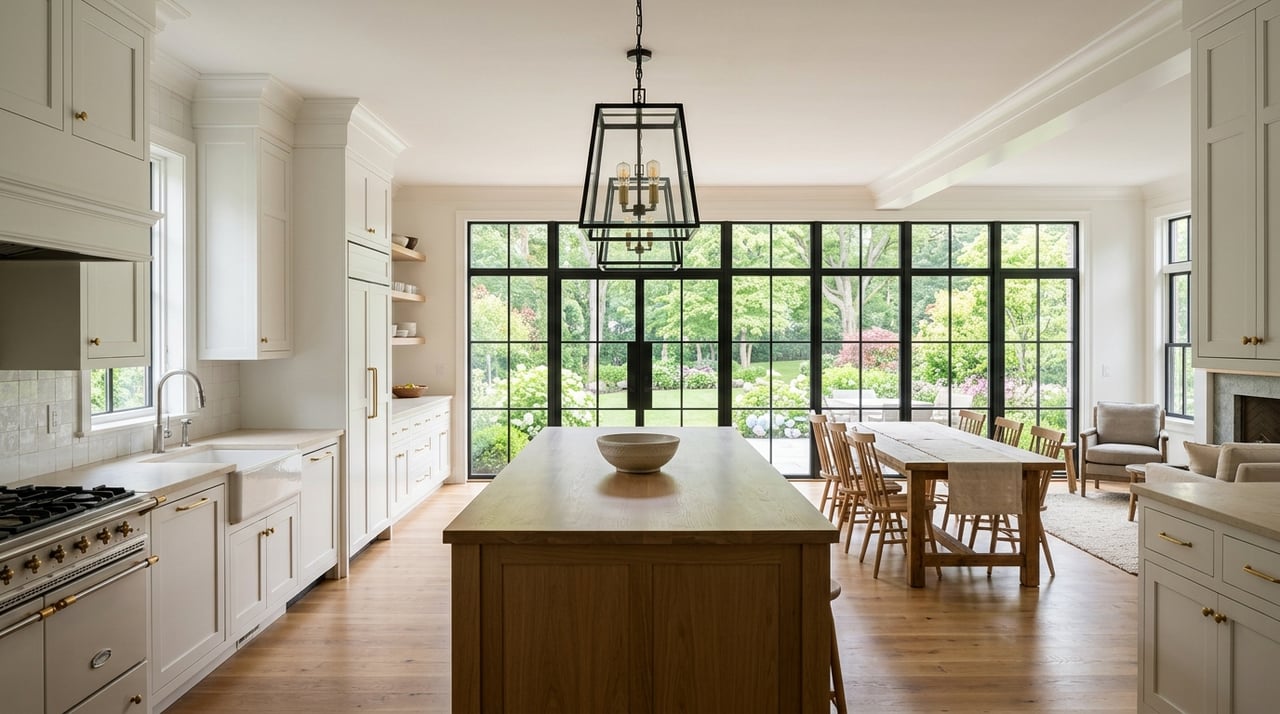
If your Centennial home has great bones, a mature lot, and a well-loved address, you already have real strengths. The challenge is that buyers today are also comparing your property to newer homes and refreshed listings that promise fewer repairs and a more turnkey feel. With the right prep, pricing, and presentation, you can narrow that gap and make your home stand out for all the right reasons. Let’s dive in.
Why established Centennial homes need strategy
Centennial’s appeal has always been tied to more than square footage. The city highlights its neighborhoods, recreation, and local amenities, and many buyers already come into their search with a strong idea of where they want to live. For sellers in established areas, that means your neighborhood identity is part of the story, not just the house itself.
That matters even more as newer and redeveloping areas gain attention. Centennial is seeing activity in places like The District-Centennial, Midtown Centennial, and The Streets at SouthGlenn. Buyers who are comparing those options with older homes will often weigh convenience, condition, and maintenance risk very closely.
The local market is still active, with inventory in the high 400s, median sale prices around the mid-$600,000s, and median days on market ranging from about 12 to 29 days depending on the source and time frame. In other words, homes can move quickly, but the market is not especially forgiving of weak presentation or pricing that overshoots the mark.
Lead with what newer homes cannot copy
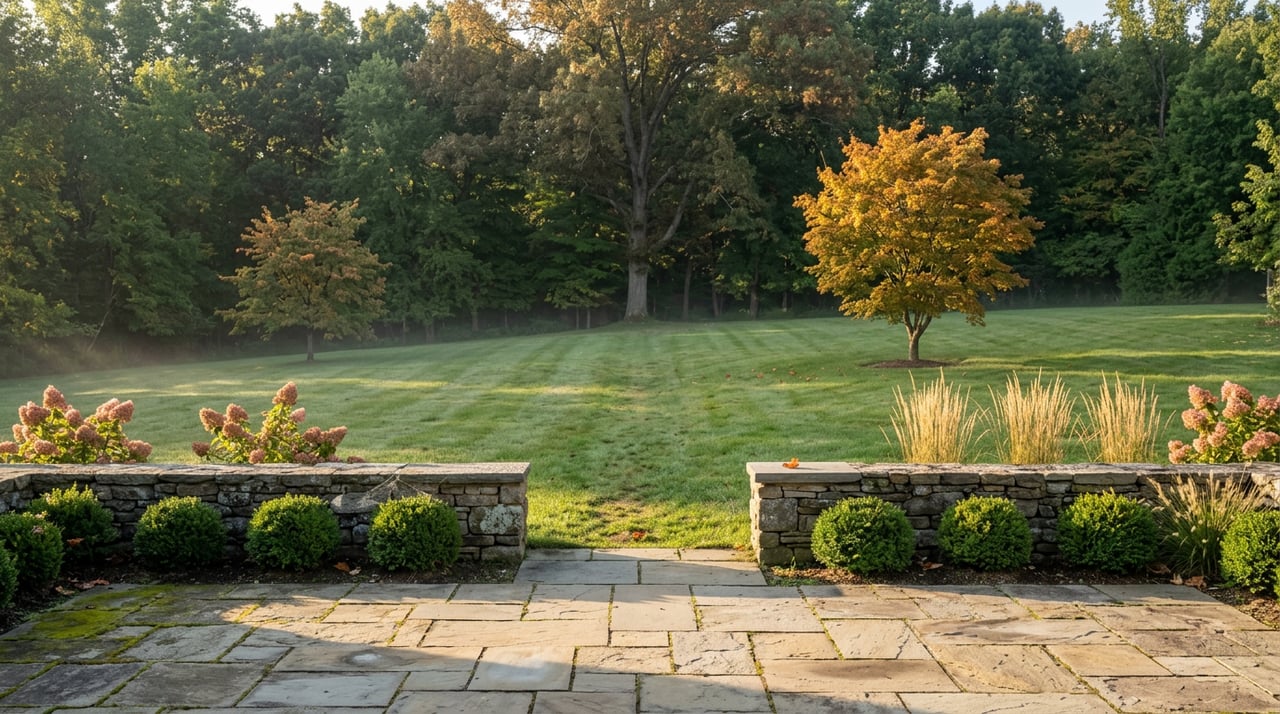
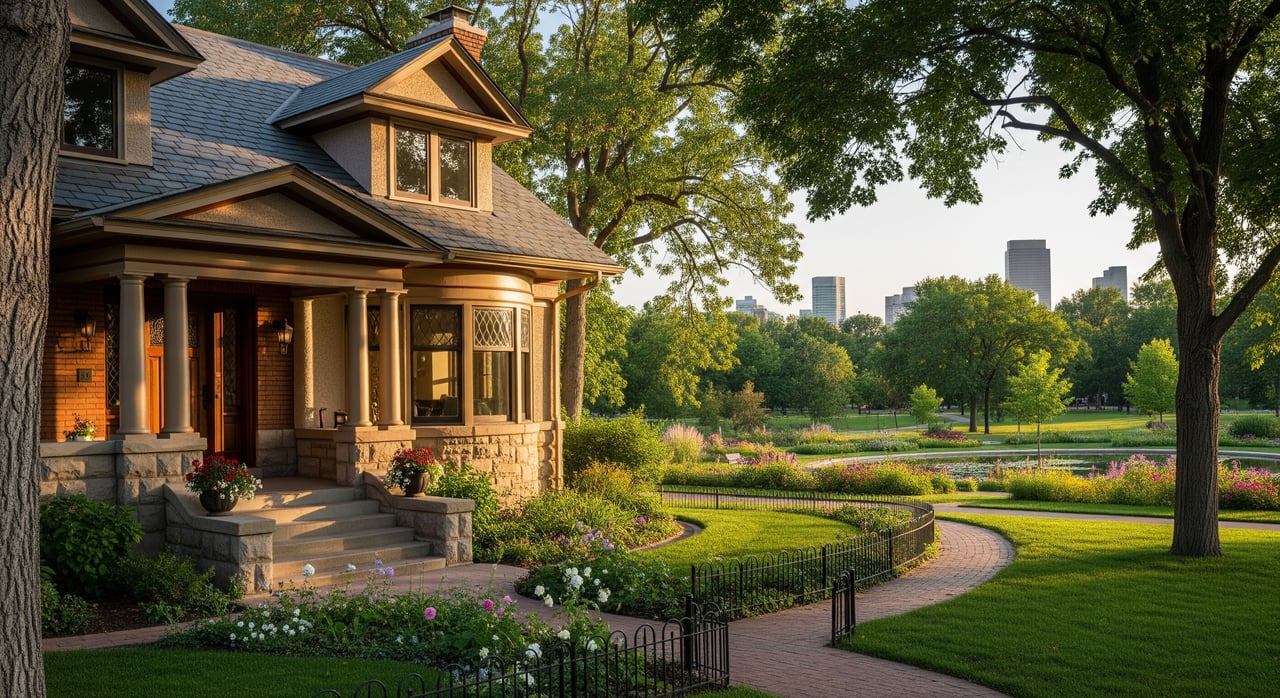
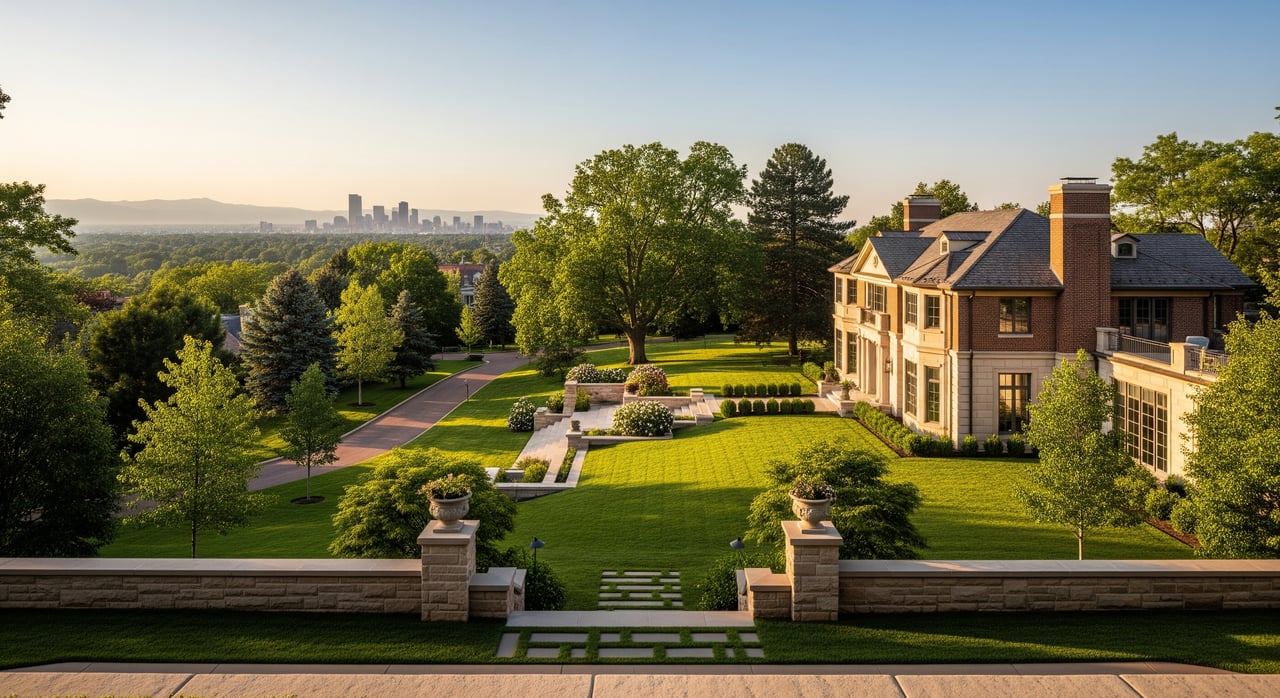
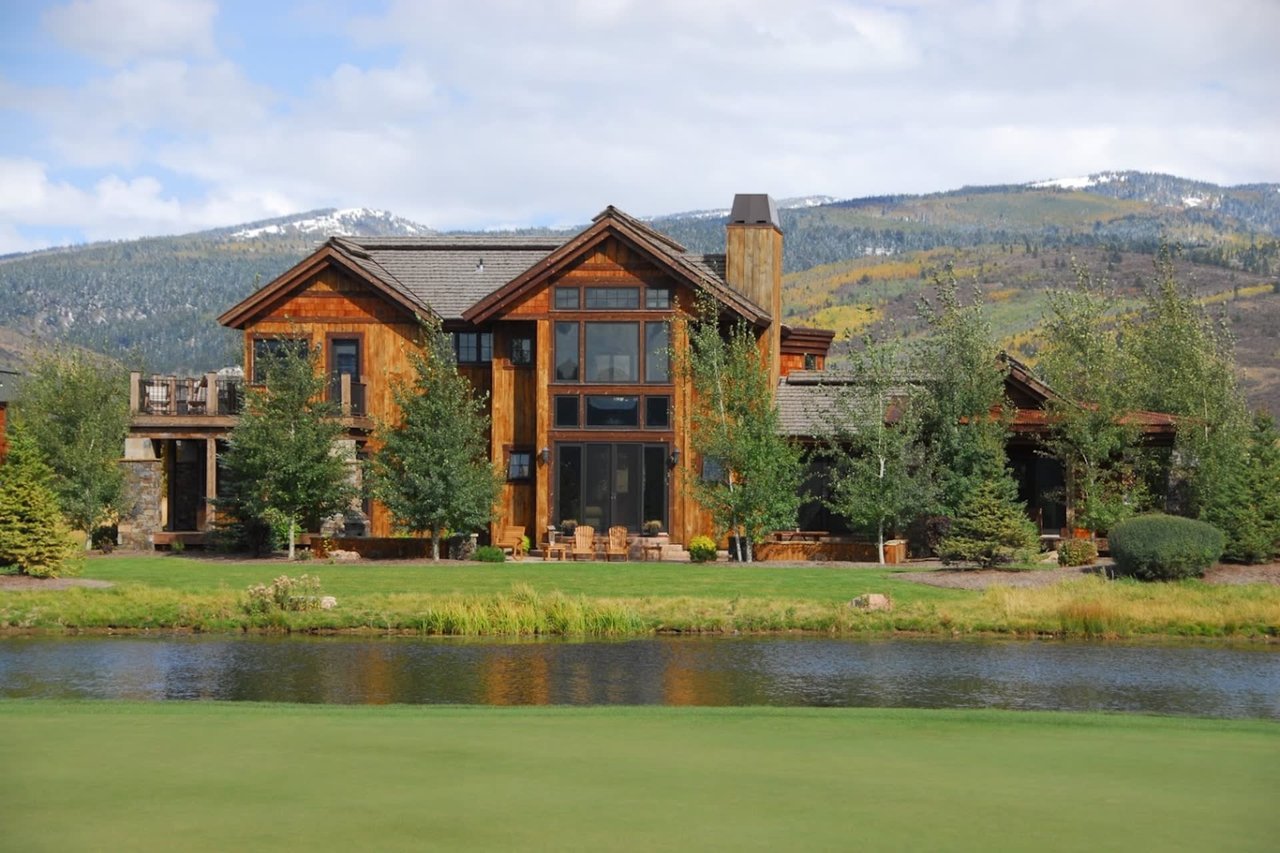
A newer build may offer shiny finishes, but it cannot recreate the feel of an established Centennial setting overnight. Mature trees, deeper neighborhood roots, nearby parks and trails, and access to long-standing community amenities all help shape buyer perception. Those are real assets when they are presented clearly.
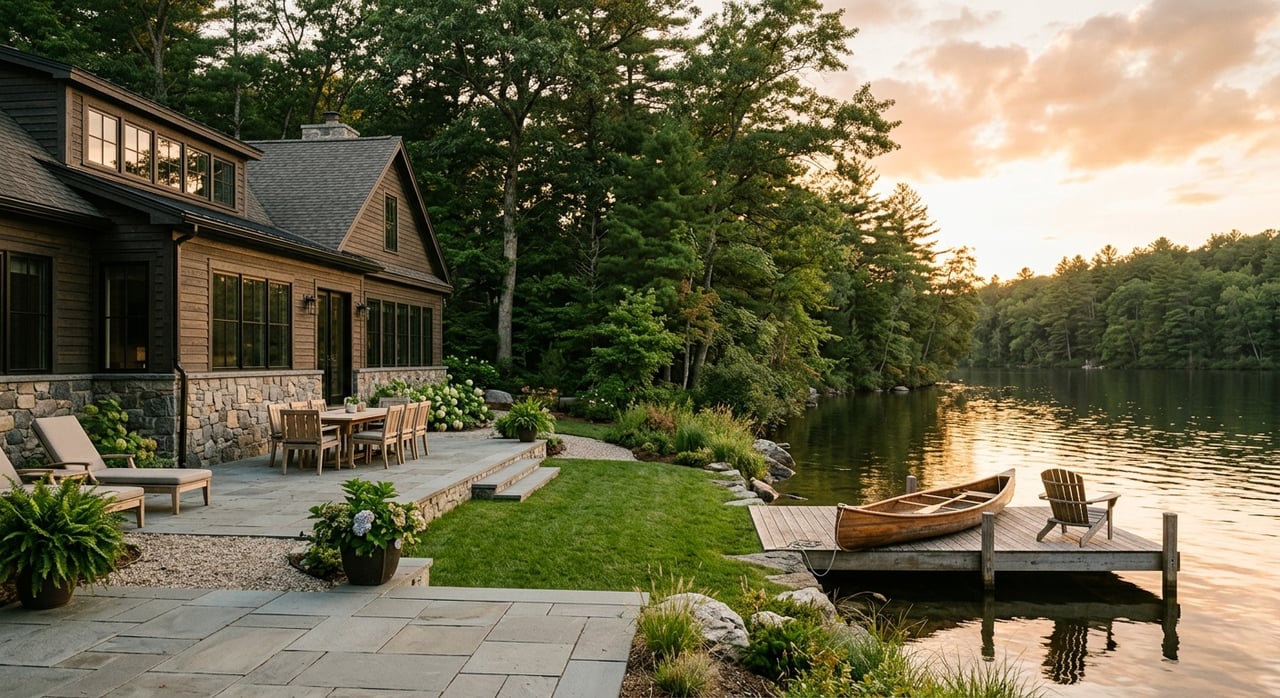
Centennial also points to its neighborhood network, recreation, and public amenities such as Castlewood Library and Southglenn Library. If your home offers convenient access to local parks, trails, libraries, shopping, or established community areas, that should be part of the marketing narrative. Buyers are not just choosing a floor plan. They are choosing how daily life will feel.
This is especially important because many buyers now do a large share of their evaluation online before they ever book a showing. If your home’s listing materials tell a clear lifestyle story, you have a better chance of earning that in-person visit.
Start with smart pre-listing updates
When sellers think about improvements, it is easy to assume a major remodel is the answer. In reality, national remodeling data shows that some of the strongest resale payback comes from practical, visible exterior projects rather than large, highly personalized interior overhauls.
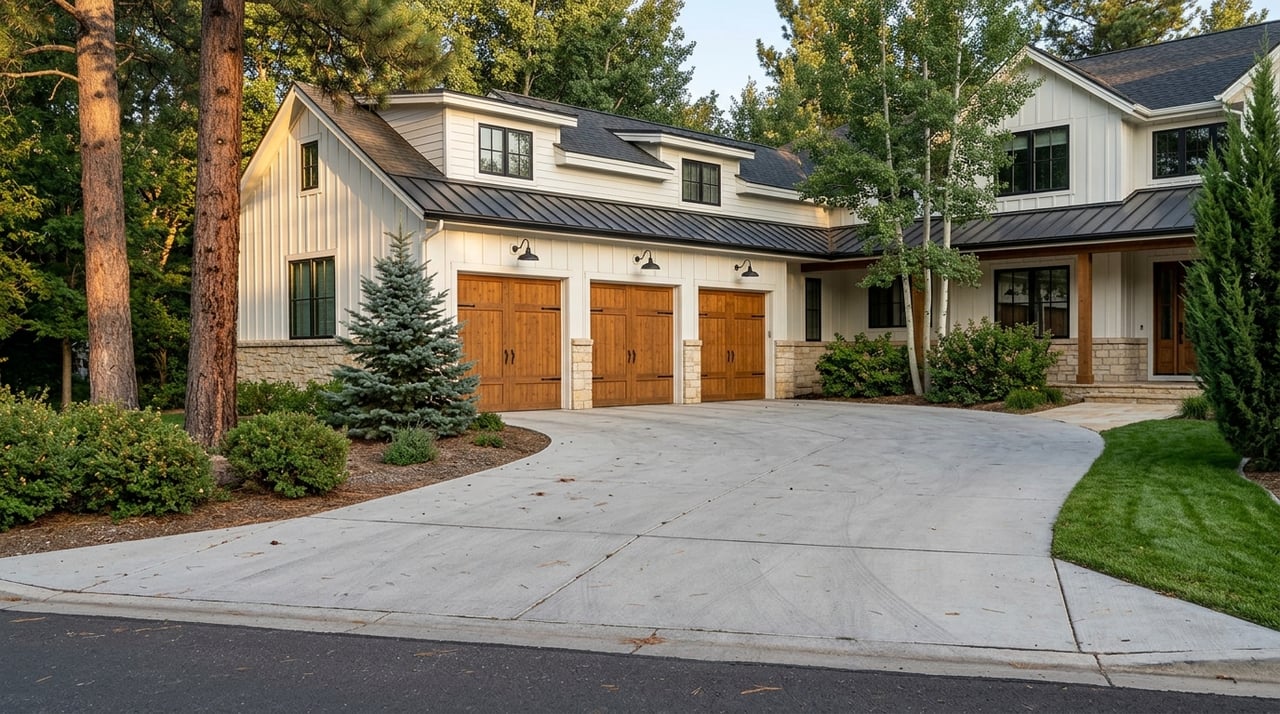
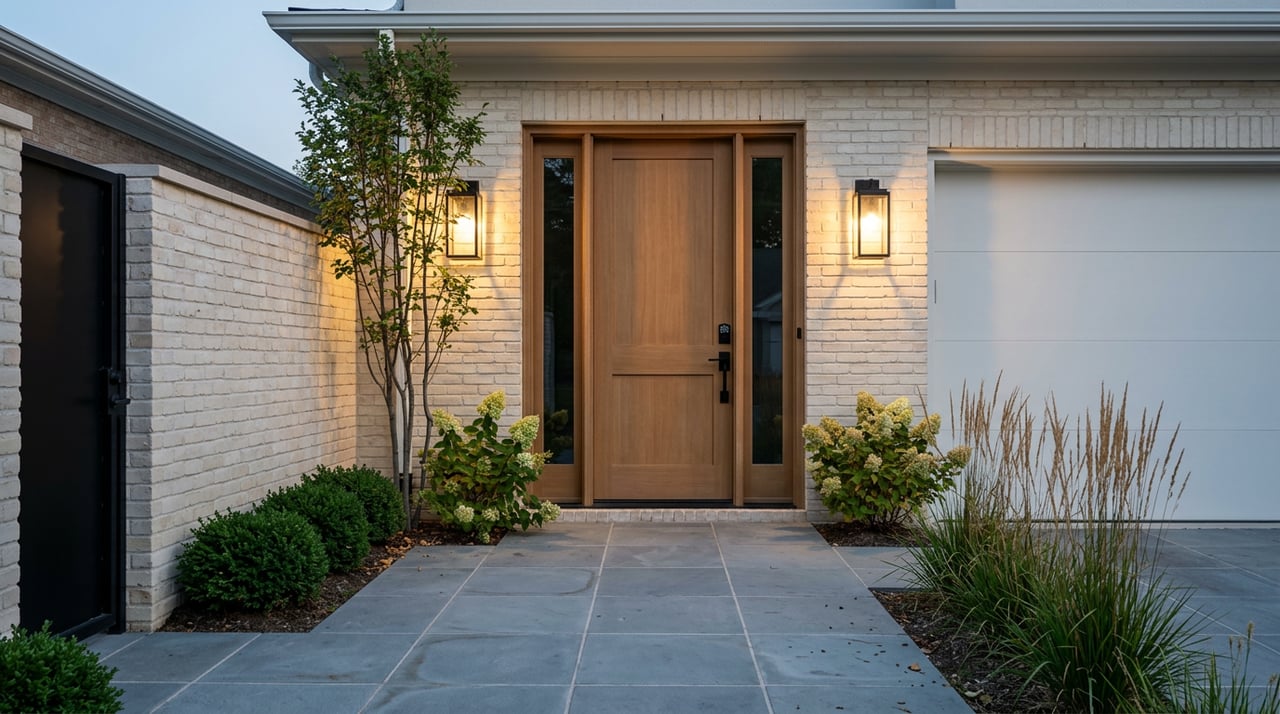
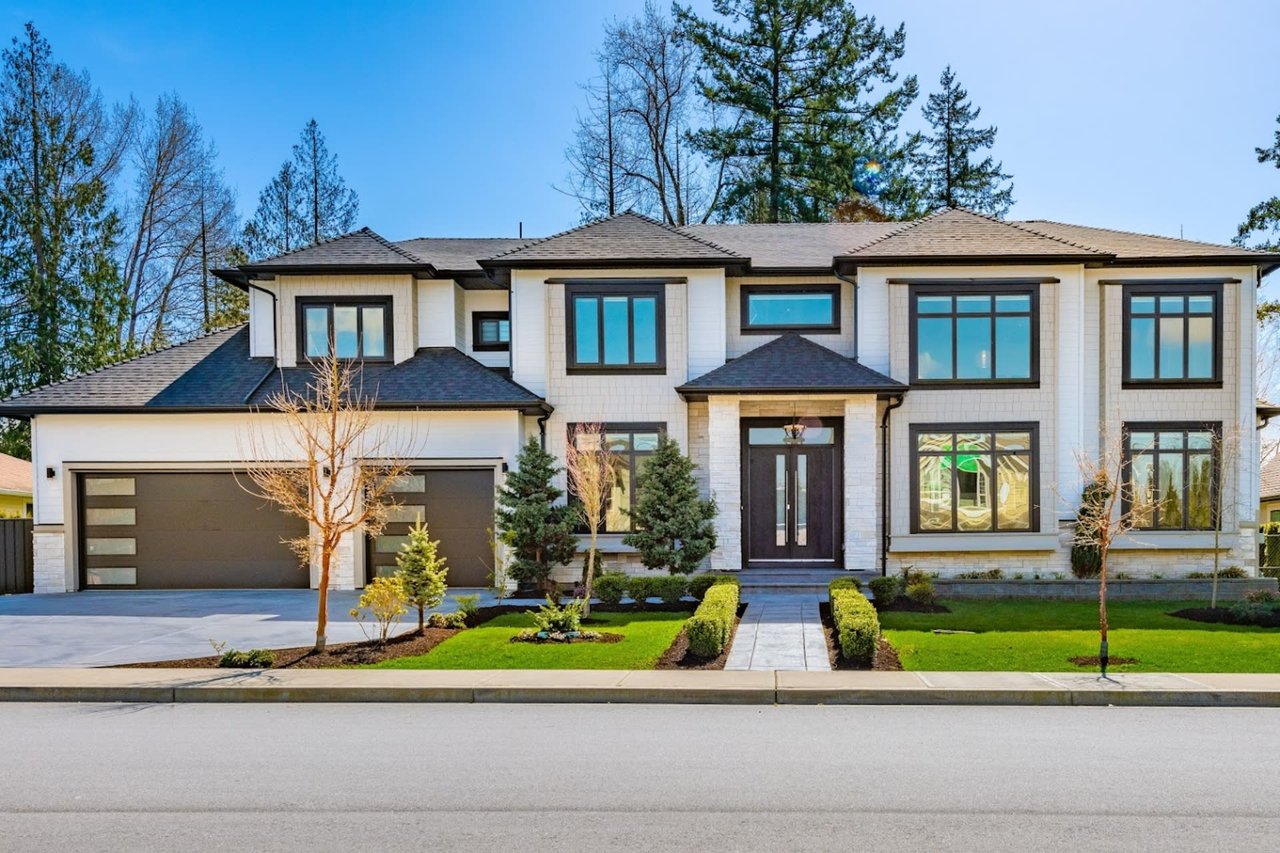
Zonda’s 2025 Cost vs. Value report found the top recouping projects included garage door replacement at 267.7%, steel door replacement at 216.4%, manufactured stone veneer at 207.9%, fiber-cement siding replacement at 113.7%, and a minor kitchen remodel at 112.9%. That is a strong reminder that strategic, targeted updates often outperform expensive renovations at resale.
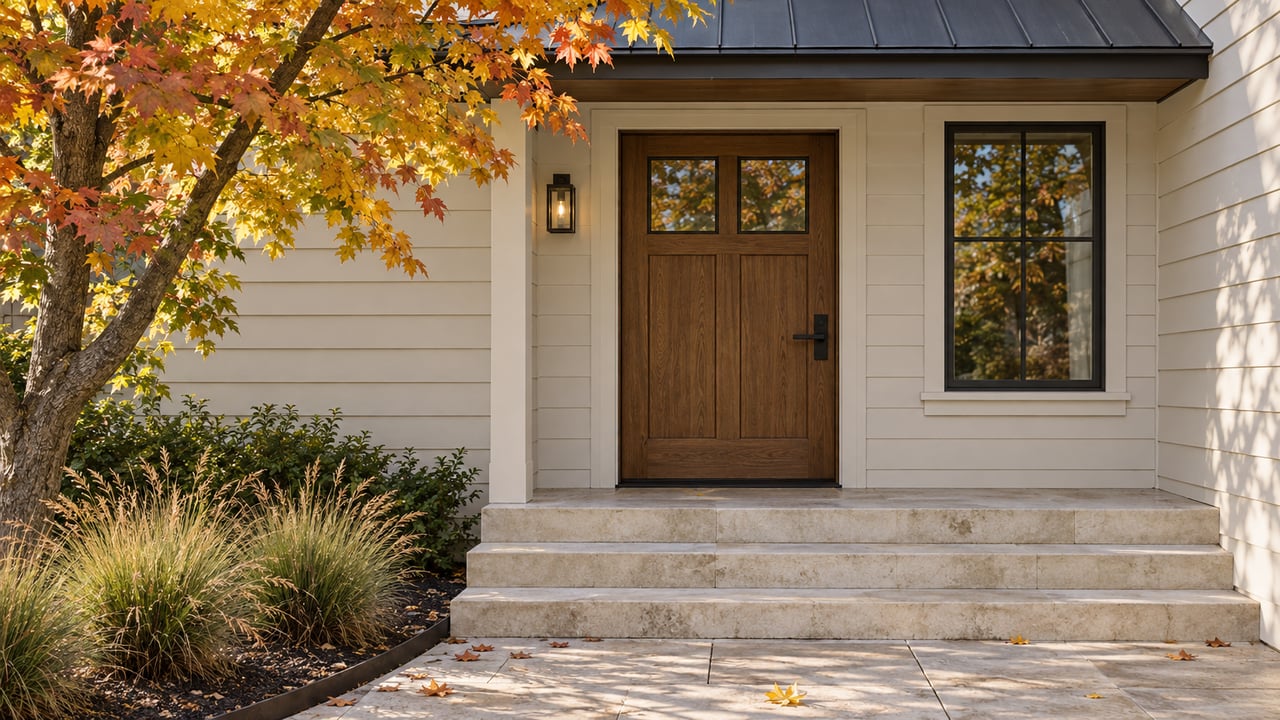
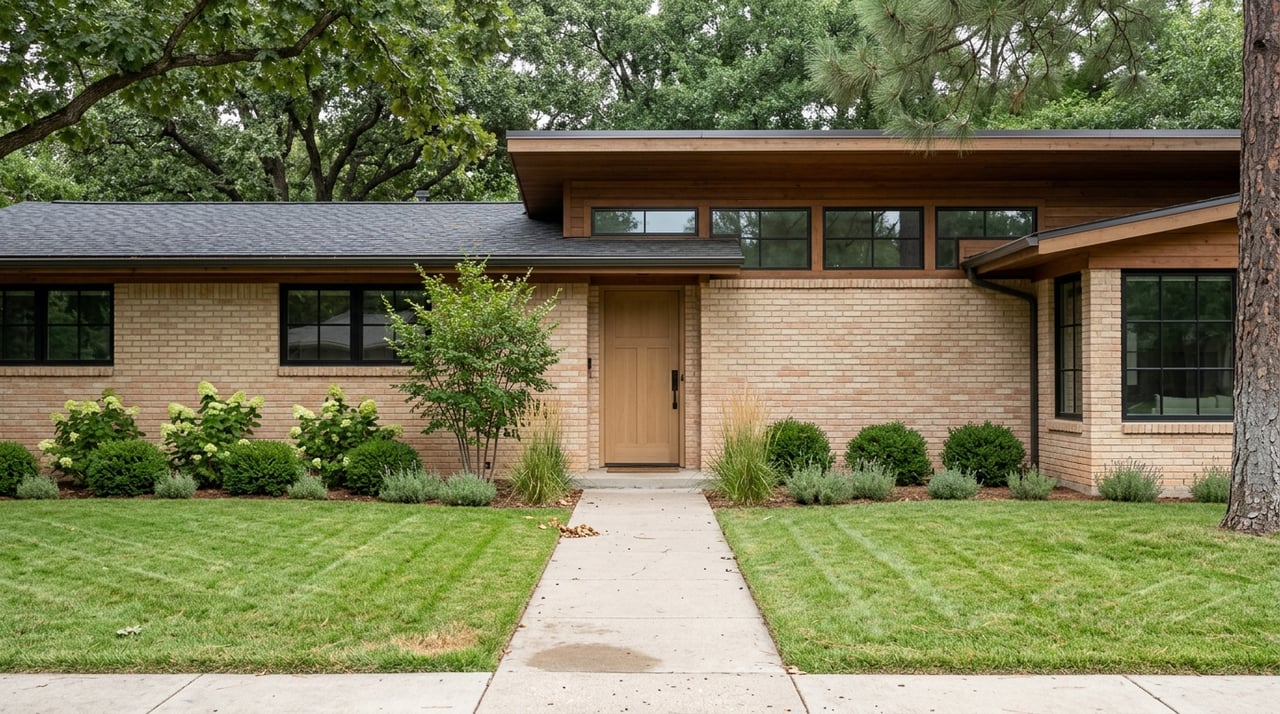
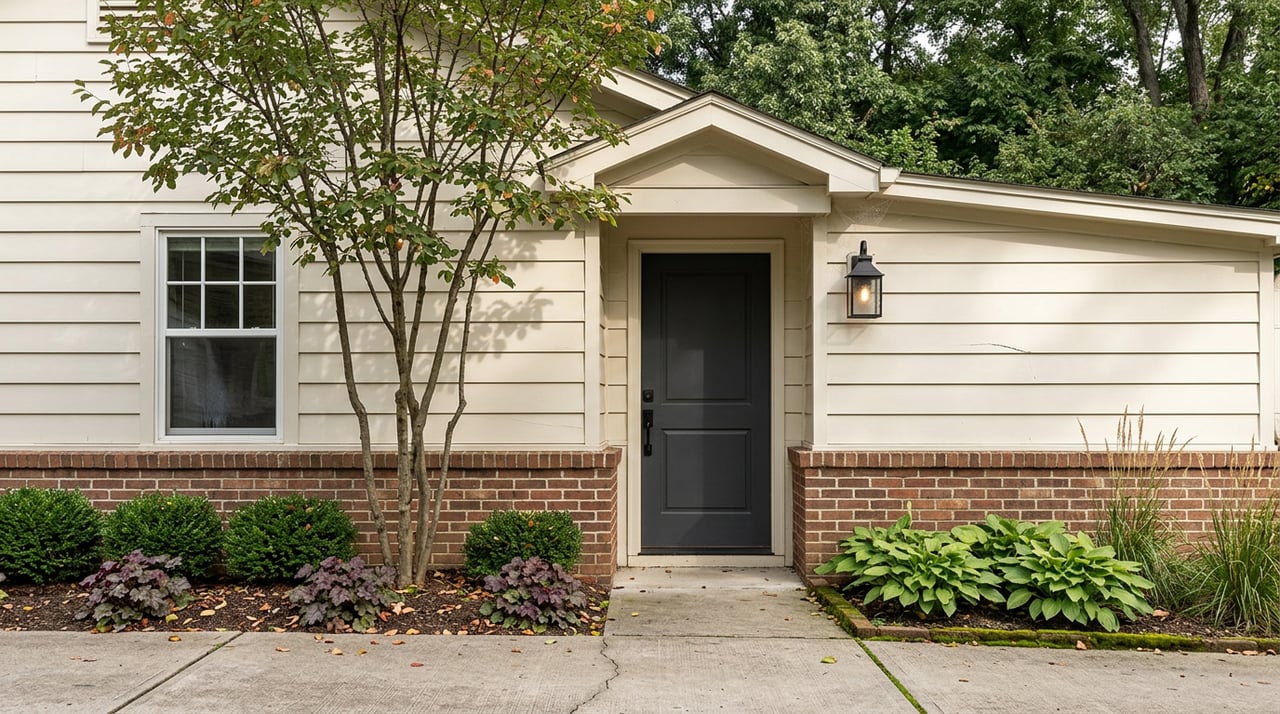
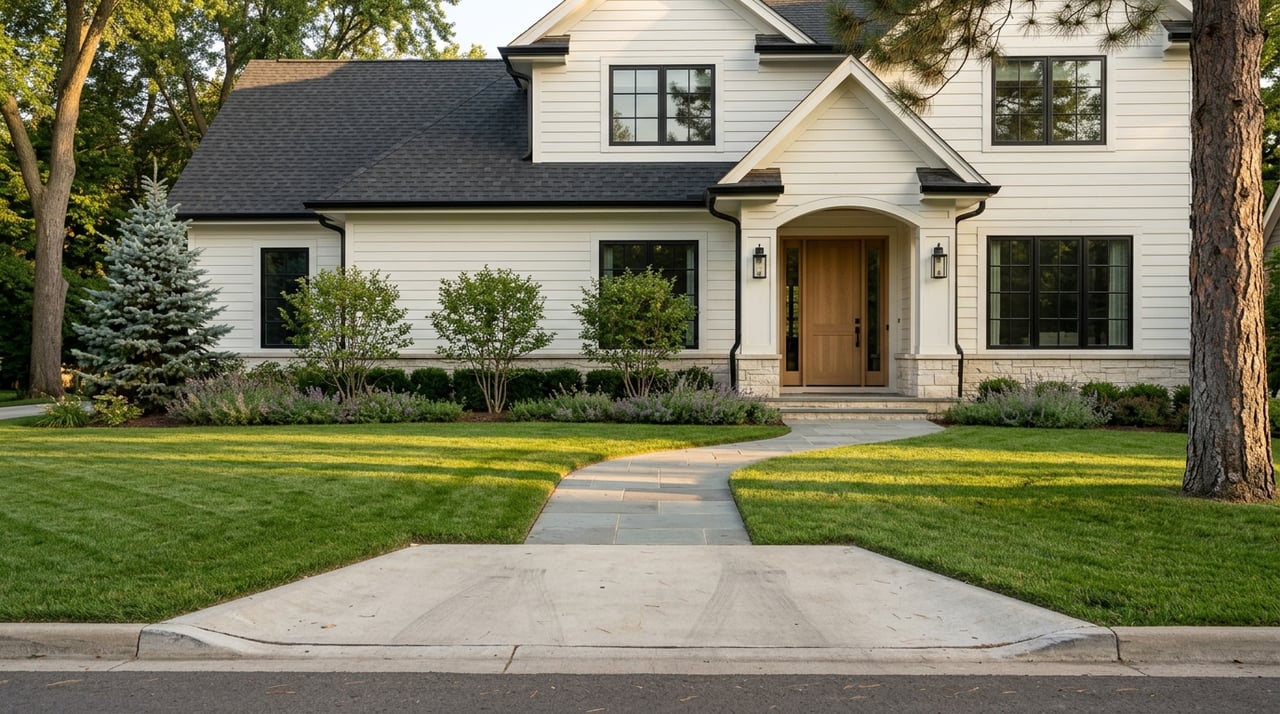
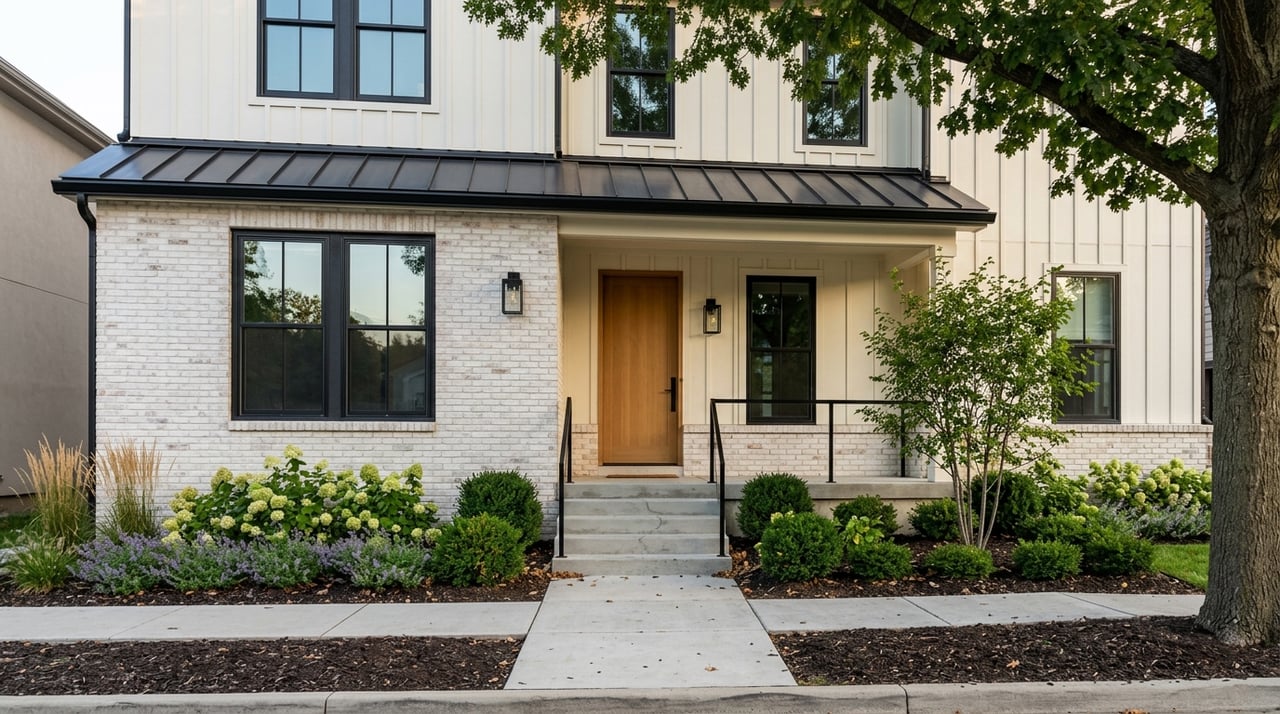
For many established Centennial homes, the safer approach is to focus on improvements that reduce buyer hesitation without pushing beyond the neighborhood’s value range. That often means tightening up curb appeal, refreshing the front entry, and making modest kitchen improvements instead of taking on a full interior remodel.
Focus on buyer confidence first
Many buyers choose new construction because they want to avoid repairs, system surprises, or renovation projects. That gives you a clear roadmap for older-home prep. Before you think about styling, work through the items that make buyers question condition.
A practical sequence often looks like this:
- Fix obvious maintenance issues first
- Address visible interior and exterior repairs
- Refresh key surfaces and finishes where needed
- Stage the home after condition concerns are handled
- Invest in photography, video, and virtual marketing assets last
If you are selling on a 6 to 18 month timeline, this order can help you protect your budget and your eventual net proceeds. It also keeps you from spending money on beautiful marketing before the home is ready to support it.
Keep records for major systems
Documentation can help an older home feel more reassuring. If you have service records for your HVAC, roof, water heater, or other major systems, gather them early. Buyers may still expect an older home to have character and history, but they also want signs that the property has been responsibly maintained.
That kind of preparation helps reduce the perceived risk gap between your home and nearby new construction. It will not replace updates, but it can support the overall picture of care and reliability.
Stage the rooms that matter most
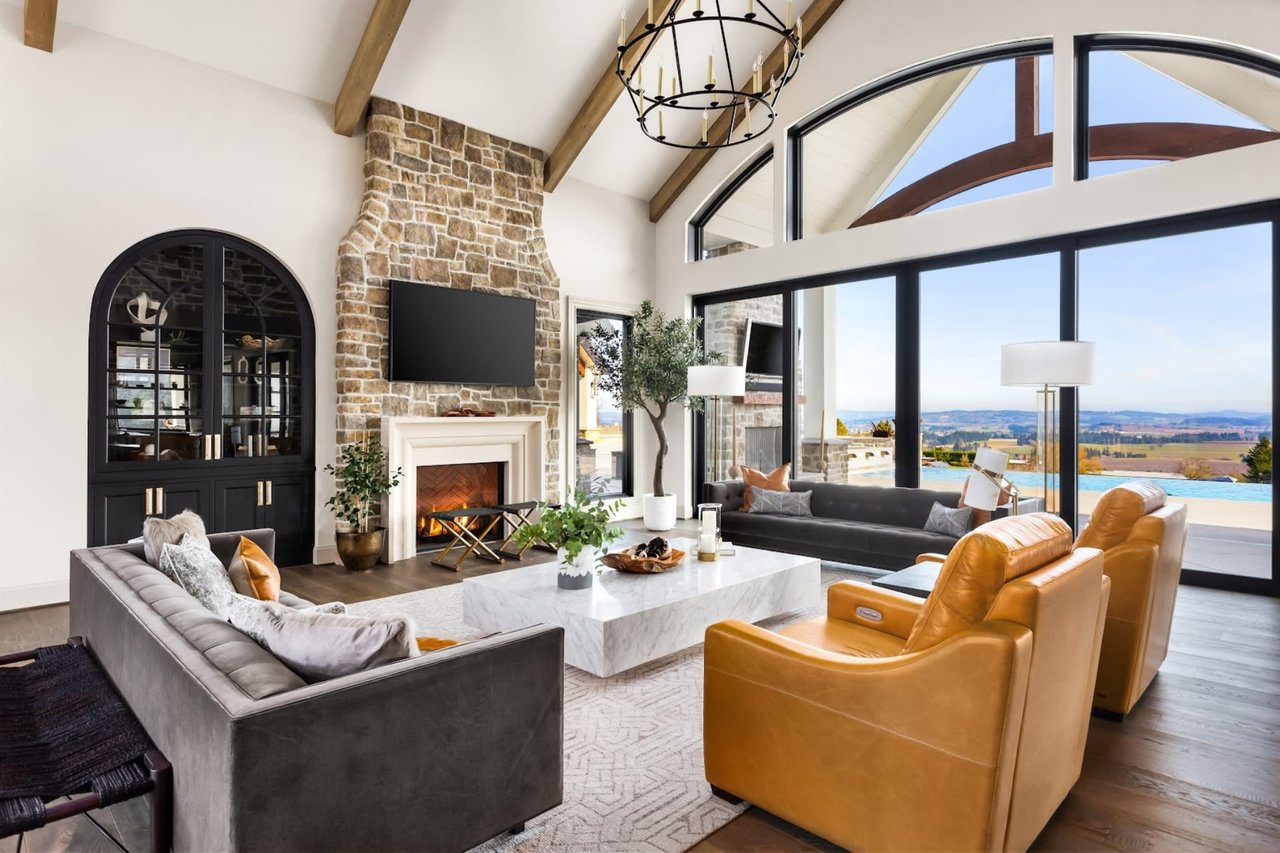
Staging is one of the clearest ways to help buyers see past age and focus on comfort, scale, and flow. According to NAR’s 2025 staging study, 83% of buyer’s agents said staging makes it easier for buyers to visualize a home as their future property. The same report found that 60% said staging affects most buyers’ view of a home most of the time.
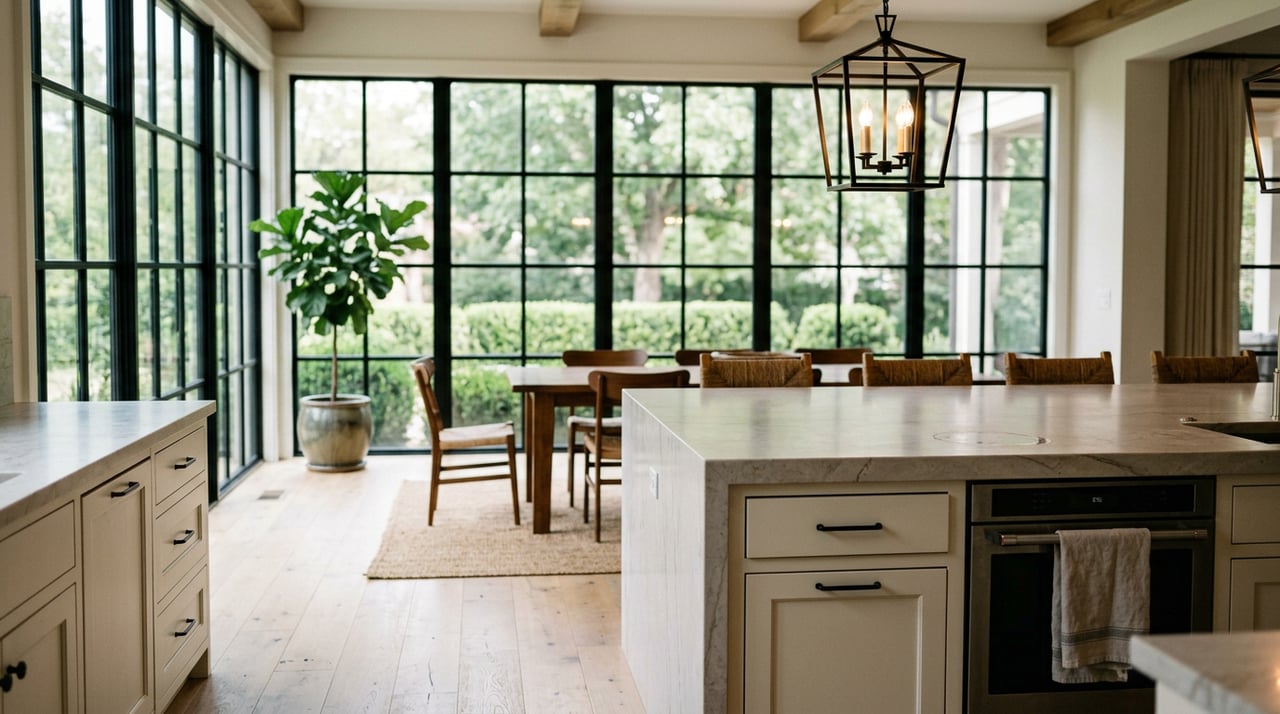
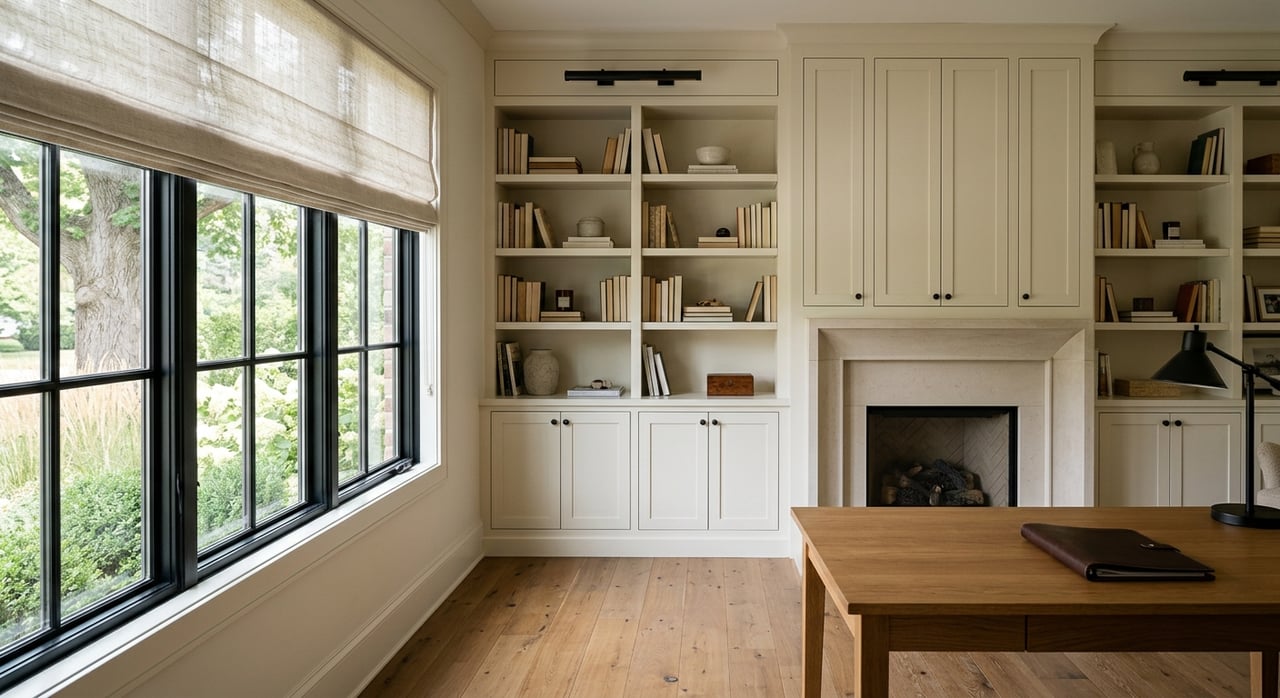
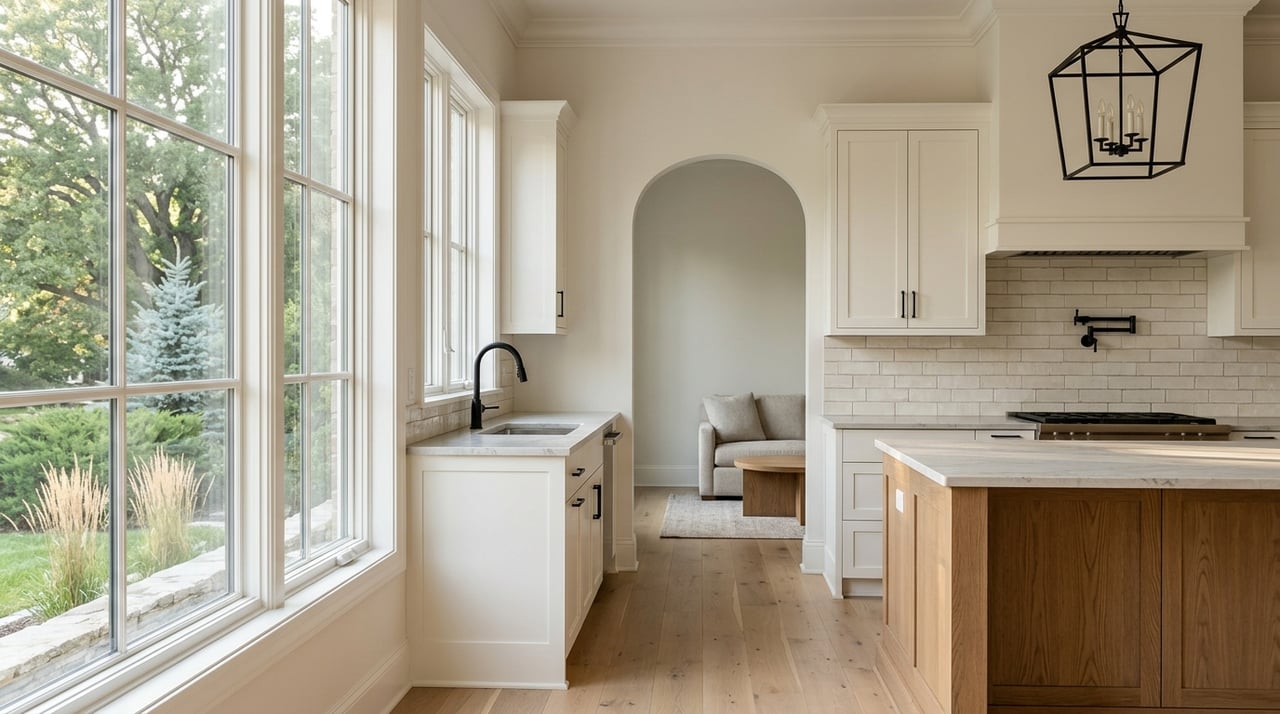
For established Centennial homes, staging works best when it feels light, clean, and easy to maintain. The goal is not to fill the home with personality. It is to remove distractions so buyers notice the space itself.
NAR’s study also found that the living room, primary bedroom, and kitchen were seen as the most important rooms to stage. If your budget is limited, start there. Those spaces often do the most work in shaping first impressions.
What good staging should accomplish
Your staging should help buyers quickly understand how the home lives. In older homes, that often means showing that rooms are functional, connected, and more spacious than photos might otherwise suggest.
A strong staging plan usually aims to:
- Brighten the main living areas
- Simplify furniture layouts
- Minimize visual clutter
- Use neutral decor that appeals broadly
- Draw attention to windows, light, and room flow
NAR also reported a median staging spend of $1,500 among sellers’ agents. On the results side, 30% reported slight decreases in time on market after staging, and 17% said staging increased dollar value offered by 1% to 5%. That does not guarantee the same result in every sale, but it does show why thoughtful presentation matters.
Make your online launch asset-heavy
Today’s buyers often view many more homes online than they ever tour in person. NAR reported that buyers expected to see a median of eight homes in person and 20 virtually. That means your first showing often happens on a screen.
For established homes, this is where quality can separate your listing from the pack. Strong visuals can help buyers appreciate what is special about the property before they focus on its age.
A strong launch package should include:
- High-quality photography
- A polished video walkthrough
- A strong virtual-tour experience
- Clear room-to-room flow in the listing sequence
- Marketing copy that highlights both condition and lifestyle
NAR’s staging study found that photos were important to 73% of clients, followed by physical staging at 57%, videos at 48%, and virtual tours at 43%. Those numbers support a simple point: if your listing does not look compelling online, many buyers may never take the next step.
Price against real competition
One of the biggest mistakes sellers make in established neighborhoods is pricing from emotion, sunk cost, or broad city averages. Centennial has distinct sub-areas, and small differences in location, lot size, condition, and access to major amenities can shape how buyers compare homes.
That is why pricing should be tied to the strongest directly comparable listings and sales, including newer homes that buyers may be considering at the same time. If a nearby newer property offers less land but a more turnkey interior, buyers will notice. If your home offers a better lot, a stronger neighborhood setting, or better access to established amenities, that value also needs to be reflected carefully.
The goal is not to underprice your home. It is to position it where buyers feel they are getting strong value relative to the alternatives they can actually see and tour.
Look beyond citywide averages
Citywide numbers can provide context, but they rarely tell the full story for a specific home. A property near SouthGlenn may compete differently from one in another part of Centennial. School district boundaries, lot characteristics, updates, and proximity to parks or trails can all influence demand.
A pricing strategy that works in one pocket of the city may miss the mark in another. The best approach is hyper-local, comparison-based, and realistic about what buyers will weigh side by side.
Tell a stronger neighborhood story
In Centennial’s established areas, neighborhood depth is often one of your best selling points. Newer developments can offer fresh finishes, but they cannot instantly create decades of tree canopy, established streetscapes, or the sense of connection buyers often associate with long-standing communities.
That story should be handled in a factual, grounded way. Talk about access to parks, trails, libraries, shopping, recreation, and major commuting routes where relevant. If your home is close to SouthGlenn, local open space, or other recognized amenities, those details help buyers picture everyday convenience.
This kind of positioning works best when it supports the home’s overall value story. Selective updates, documented maintenance, strong staging, and thoughtful pricing all make the neighborhood advantages easier for buyers to appreciate.
A stand-out plan protects your net
Selling an older home in Centennial is not about pretending it is new. It is about showing buyers why it is the smarter overall choice for the right buyer. When you combine strategic prep, elevated presentation, and disciplined pricing, an established property can compete very well.
That is where a tailored plan matters. If you want thoughtful guidance on how to prepare, position, and market your Centennial home for today’s buyers, Sherry Beindorff can help you create a stand-out strategy built around your home, your timing, and your goals.
FAQs
How should you prepare an older home to sell in Centennial?
- Start with deferred maintenance, visible repairs, and major-system documentation, then move to selective updates, staging, and marketing assets.
What updates add the most resale value before selling a Centennial home?
- Based on the 2025 Cost vs. Value report, high-performing projects often include garage door replacement, steel door replacement, exterior siding improvements, stone veneer, and a minor kitchen remodel.
Why does staging matter when selling an established Centennial house?
- Staging helps buyers visualize the home more easily, especially in the living room, primary bedroom, and kitchen, which were identified by NAR as the most important spaces to stage.
How should you price a home in one of Centennial’s established neighborhoods?
- Price it against the strongest comparable homes and current competition nearby, including newer listings, rather than relying only on broad city averages.
What marketing helps an older Centennial home stand out online?
- High-quality photography, a polished video walkthrough, and a strong virtual tour package can help buyers appreciate the home’s space, condition, and lifestyle advantages before touring in person.