If you've walked the canal path past Quincy Avenue this August, you've probably noticed two things you didn't expect. The barn doors are standing open on a weekday afternoon, and a few hundred feet down the trail, a skid steer has been smoothing fresh gravel into ruts that have been there since spring. Neither is an accident. Both are the visible edge of a set of projects that, taken together, have quietly turned a piece of land most Cherry Hills Village residents drove past for years into a place people are now organizing their fall around.
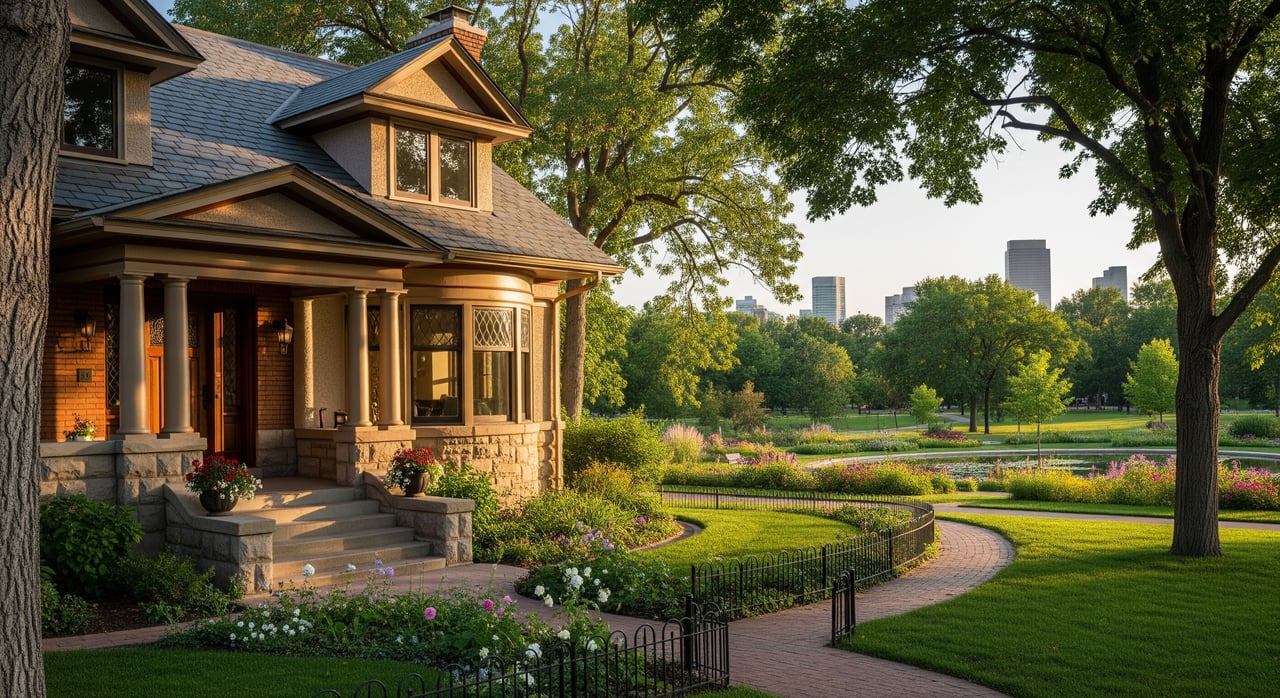
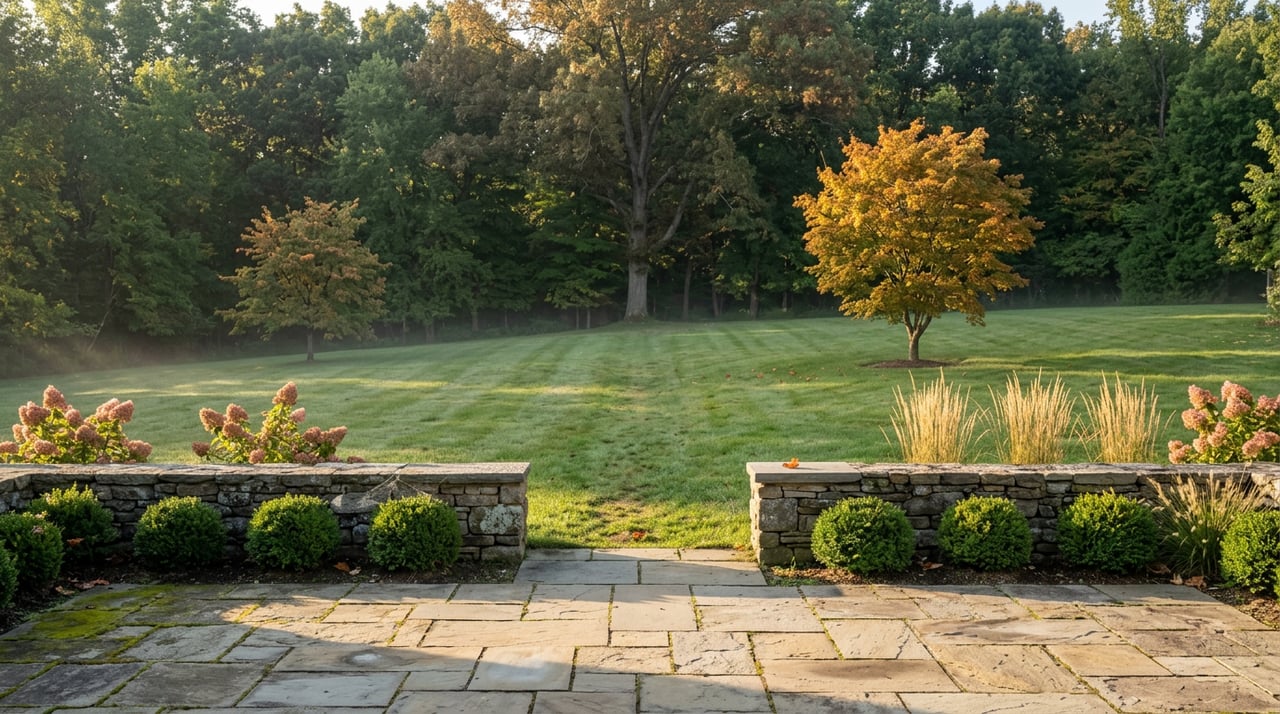
For most of its life as public land, Quincy Farm asked very little of anyone. The 17.5-acre property came to the city in 2015, when Catherine "Cat" Anderson donated it under a conservation easement designed to preserve its rural character permanently. The farmhouse on the west side, built in 1898 by the Hopkins family, is the oldest intact farmhouse remaining in the village and sits on the National Register of Historic Places. Access has always been narrow by design: sunrise to sunset, one accessible parking space, no dogs, and buildings closed to the public except during scheduled programs. It was preserved rather than used, which is exactly what a conservation easement is supposed to do. But it also meant the farm functioned more as a backdrop to the canal walk than a destination in its own right.
That's the part that's changed, and it changed for a specific, dateable reason.
Three Projects, One Short Stretch
The center-aisle barn on the property, built in 1934 during Myron Blackmer's ownership, went through a full rehabilitation that wrapped in 2025. In that same year, the city secured a $241,000 grant from Arapahoe County Open Space to dredge and deepen the farm's pond, which sits next to the High Line Canal and had grown too shallow to support healthy wildlife habitat. Now, in 2026, the canal trail running along the farm's edge is getting its own overhaul, a resurfacing project that has to wrap by December 31 of this year.
None of these three projects is dramatic on its own. A barn gets new electrical and water lines. A pond gets dredged. A trail gets fresh gravel. But landing within the same two-year stretch, they add up to something residents haven't had before: a reason to actually stop at Quincy Farm instead of just walking past it.
The Date That's Already Boxed Out September
The clearest sign that the farm has become a scheduling anchor rather than a scenic backdrop shows up in the city's own paperwork. Cherry Hills Land Preserve, the nonprofit that partners with the city on Quincy Farm, has set this year's Barn Party for Friday, September 18, 2026, an evening event with live music and barbecue that doubles as the organization's main fundraiser.
City staff flagged the conflict months in advance. Minutes from a November 2025 Art Commission meeting show staff recommending against scheduling any commission event in September at all, partly because Public Works staff are tied up with a reaccreditation process, and partly because the Cherry Hills Village Police Department's car show, the Cherry Hills Land Preserve Barn Party, and the High Line Canal Conservancy's own annual fundraiser already fall in that month, leaving little room for anything else. If you're a resident trying to plan something neighborhood-adjacent this fall, you're not competing with vague seasonal noise. You're competing with three specific, named events that have already claimed the calendar.
The Trail Itself Is Getting Rebuilt Under Your Feet
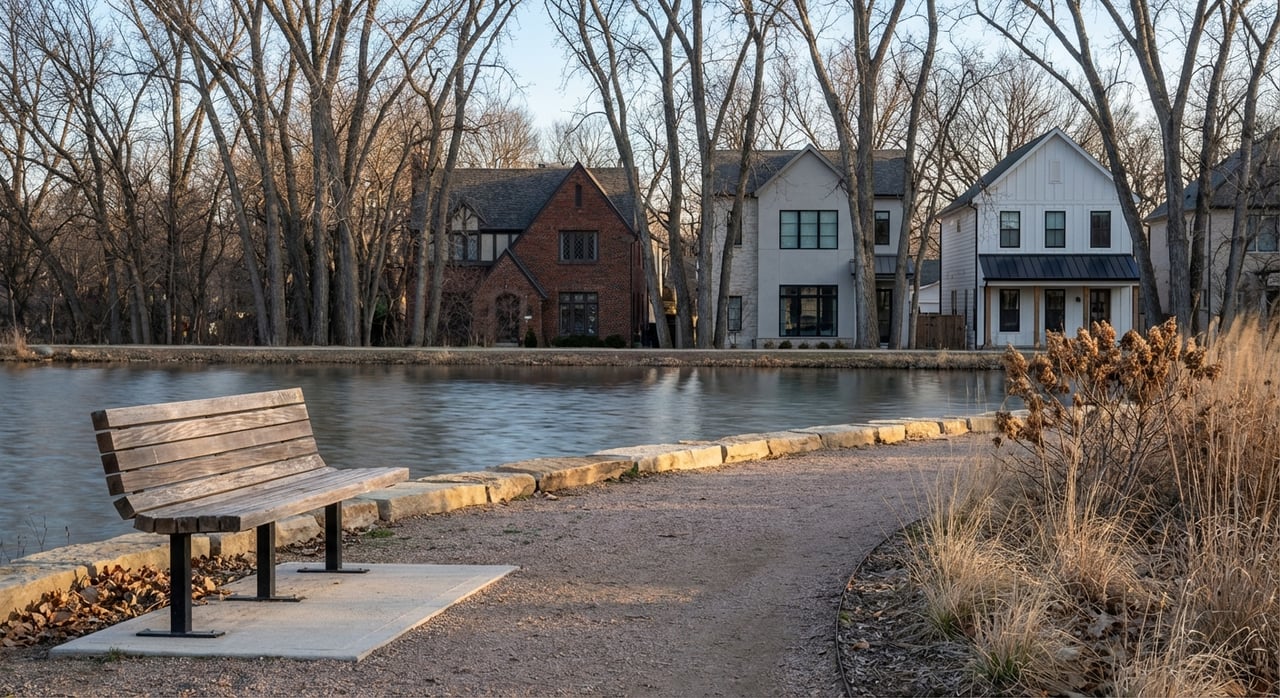
The canal segment that runs past the farm has a name on the official trail map: Segment 13, "Pastoral Cherry Hills Village." It's a genuinely different stretch of the 71-mile High Line Canal, cottonwood-lined and mostly soft-surface gravel, quieter than the sections that run through Denver proper. But quiet doesn't mean lightly used, and that's the tension driving the resurfacing work you may have already walked through this summer.
A few numbers make the case better than a general description would:
- Segment 13 runs 3.8 miles, from Belleview Avenue north to Hampden Avenue
- Along the way it passes Three Pond Park, Dahlia Hollow Park, Quincy Farm, and Blackmer Common
- At the most recent count, mile marker 34 saw 177,281 trail users and mile marker 36 saw 97,528
- The resurfacing project, a two-inch layer of crusher fine material to replace stretches worn down to bare dirt, has to be completed by December 31, 2026
That volume of foot and hoof traffic is exactly why the original surface, installed in 2016, wore thin enough to leave the muddy, rutted low spots you may have noticed after a wet week. It's also why the city built underpasses beneath Hampden Avenue and Colorado Boulevard rather than at-grade crossings, so the walk through this segment stays uninterrupted even where it meets two of the busier roads in the area.
Where the Walk Starts Now
One more piece finished filling in earlier this year. Lavender Coffee Boutique opened its second location at 1400 E. Hampden Avenue in February 2026, right on the northern edge of the village, open daily from 6:30 a.m. to 4 p.m. It's a small addition, but it matters more than its size suggests. Quincy Farm itself has no concessions and almost no parking by design. A canal walk that starts or ends at a real coffee counter on Hampden gives the loop a bookend it simply didn't have a year ago.
What This Actually Changes
None of this is a single headline event. It's a barn that reopened, a pond that's being fixed, a trail segment getting new gravel, and a coffee shop that opened four blocks away, all inside the same stretch of time. Individually, each is a minor civic update. Together, they've turned a passive, carefully fenced-off conservation property into the thing that's actually reorganizing how residents use the quietest corner of their own neighborhood this fall.
If you've lived near the canal for years and mostly walked past Quincy Farm without a second look, this is the season that changes that. The barn is open. The trail under your feet is being rebuilt in real time. And come September 18, a good part of the neighborhood will be standing in that barnyard at the same time, for the first time in a while.
Paying attention to shifts like this, the kind that don't show up in a listing description but change how a place actually feels to live in, is a habit more than a task. It's also exactly the kind of ground-level reading Sherry Beindorff brings to every conversation about South Denver's neighborhoods, whether you're weighing a move or just trying to understand what's changing in the place you already call home. If you'd like to talk through what else is shifting in Cherry Hills Village this year, reach out any time.